
Rosenberger Connector Cable Assembly for Controlled RF and Data Links
Custom Rosenberger connector cable assemblies for Australian OEMs that need connector authenticity, cable compatibility, shield control, and agreed RF or electrical test release before prototypes become repeat production.
TL;DR
- Rosenberger connector assemblies need connector, cable, shield, and test requirements locked together.
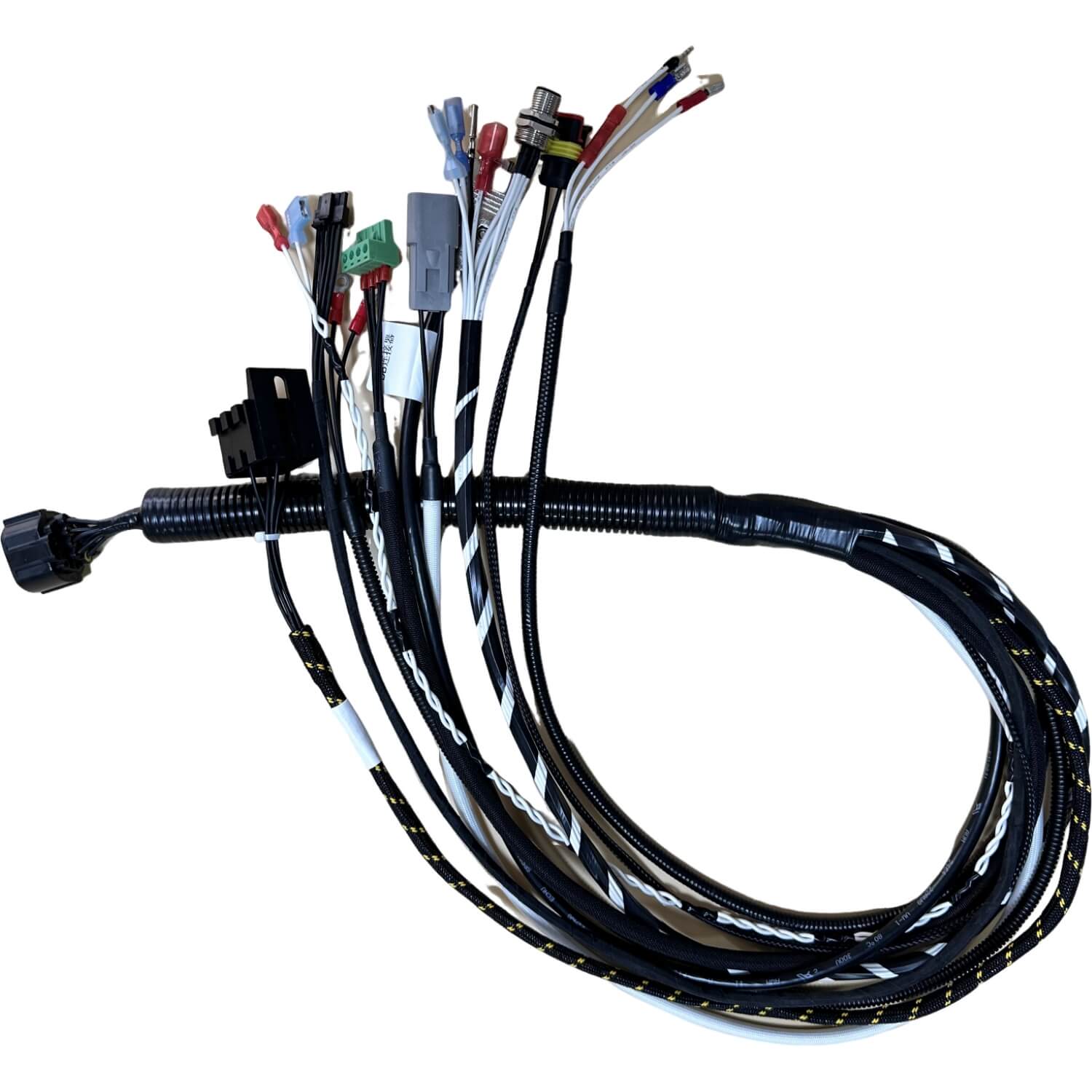
- We support RF coax, HSD, HFM, FAKRA-style, bulkhead, right-angle, and mixed-end builds.
- MOQ 1 prototypes and pilot lots are available before scheduled OEM supply.
- RF-critical assemblies can add insertion loss, return loss, VSWR, or customer-defined checks.
Built for Buyers Who Cannot Treat Rosenberger Connectors as Commodity Parts
A Rosenberger connector cable assembly is a controlled interconnect built around an approved connector family, cable construction, shield termination, mechanical support, and inspection plan. The practical risk is not the brand name; it is approving a cable that mates correctly but misses impedance, retention, cable diameter, or shield continuity under the real installation conditions.
Rosenberger is a connector manufacturer known for RF, high-speed data, automotive, and fibre-optic interconnect products. Their public product range includes connectors and adaptors as well as automotive connector systems, but an OEM still needs a cable assembly supplier to turn the selected interface into a repeatable part.
RF assemblies also behave differently from low-frequency harnesses because the cable becomes a signal path with geometry-sensitive performance. A coaxial cable uses a centre conductor, dielectric, shield, and jacket, while a radio-frequency connector must preserve that path through the termination. That is why we review the assembly as a complete interconnect, not as loose parts.
Capability Scope
Rosenberger programs are a good fit when the buyer already has a mating interface or selected connector family and needs a documented cable assembly path.
RF Coax Interface Review
Rosenberger connector cable assembly work starts with impedance, cable family, connector gender, mating hardware, route length, and target frequency review before parts are released for sample build.
HSD, HFM and FAKRA-Style Builds
We support automotive and industrial data cable formats where keyed housings, shield continuity, connector orientation, and assembly length all need to match the equipment interface.
Shield and Strain-Relief Control
The build plan covers braid treatment, foil continuity, backshell or ferrule capture, heat shrink, labels, and cable exit support so the connector is not used as the strain relief.
Electrical and RF Test Planning
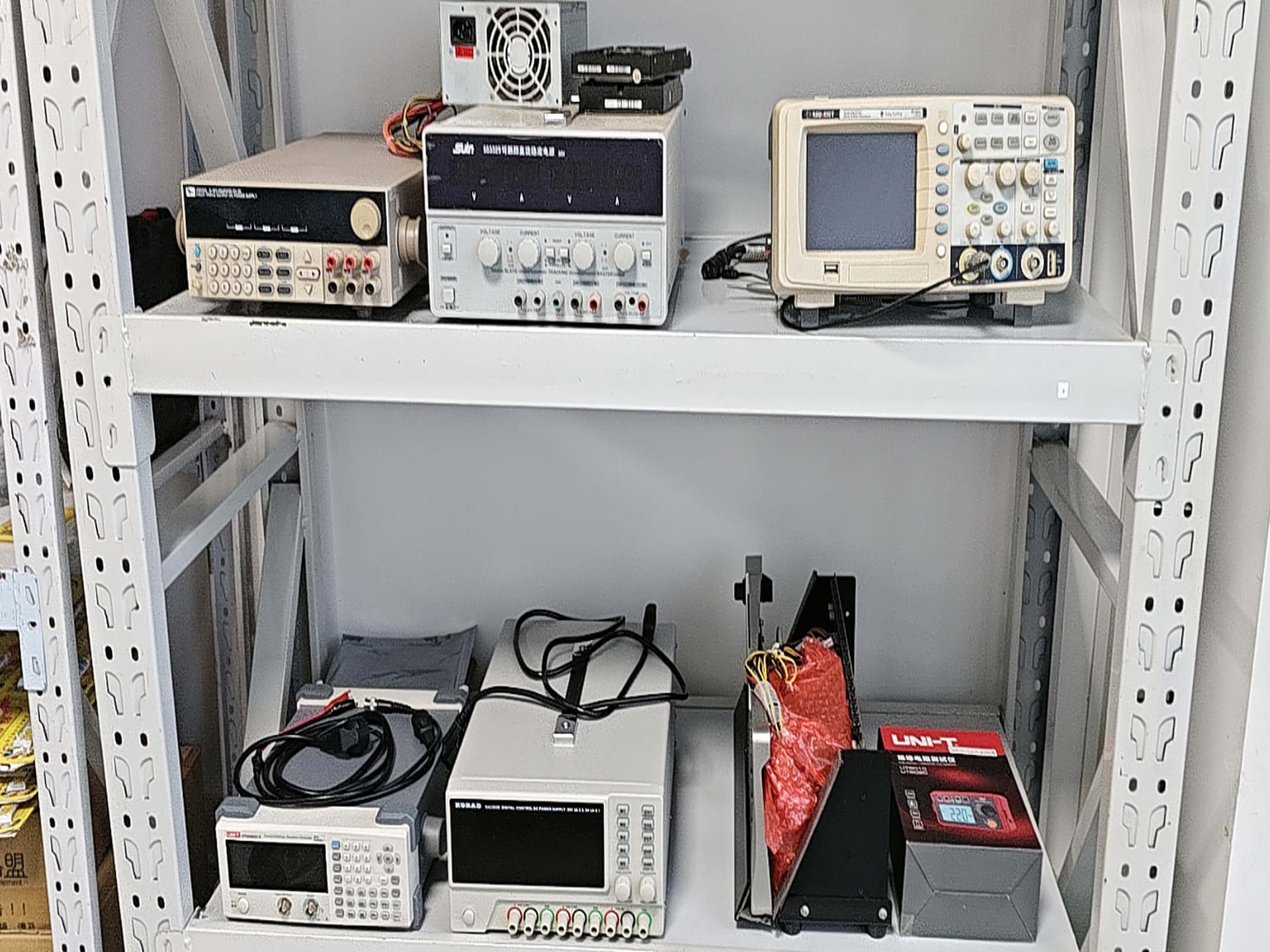
Continuity, pinout, insulation checks, insertion loss, return loss, VSWR, and customer-defined network-analyser checks can be matched to the risk level of the program.
First-Article Release Discipline
Prototype builds verify fit, connector orientation, route length, mating access, and acceptance criteria before the job moves into pilot or repeat OEM production.
Controlled Reorder Documentation
Once approved, the assembly is controlled by BOM, drawing notes, connector references, test plan, packing notes, and revision history so purchasing can reorder without drift.
How a typical rosenberger connector cable assembly program runs with us
This is an illustrative description of a representative project type, not a specific customer engagement. As a contract assembler we do not publish customer-identifiable data.
Technical Range and Limits
| Primary scope | Custom cable assemblies using Rosenberger RF, automotive data, antenna, and customer-specified connector families |
|---|---|
| Common interfaces | SMA-style RF, FAKRA-style automotive coax, HSD, HFM, mini-coax, bulkhead, right-angle, and mixed-end transitions |
| Cable constructions | 50 ohm coax, low-loss coax, miniature coax, shielded differential data cable, and customer-specified cable families |
| Typical applications | GNSS antennas, telematics modules, cameras, industrial vision, test equipment, RF instruments, and connected vehicle electronics |
| Validation options | Continuity, pinout, length, visual workmanship, shield check, insertion loss, return loss, VSWR, and customer-defined RF limits |
| Quantity range | MOQ 1 prototype, pilot lots, service replacements, and scheduled repeat OEM supply |
| Documentation | Controlled BOM, drawing review, first-article notes, inspection criteria, labels, packing requirements, and test records where specified |
| Out of scope | We do not manufacture bare Rosenberger connectors; we source approved parts and build tested cable assemblies around them |
The limit statement matters. We manufacture the finished cable assembly and manage connector sourcing against the approved BOM; we do not claim to make bare Rosenberger connector bodies.
Applications We See Most Often
- GNSS antenna leads and telematics module interconnects
- Automotive camera, sensor, radar, and connected-vehicle data cables
- Industrial vision and measurement equipment using compact shielded links
- RF test, instrumentation, and field-service replacement leads
- Mixed-end coax assemblies where one side must match legacy equipment
- Pilot builds for OEMs validating Rosenberger connector substitutions
the Custom Wire Assembly team
Release Process
Interface and Application Review
We confirm the mating connector, equipment interface, impedance, route length, bend space, environmental exposure, and whether the assembly needs HSD, HFM, FAKRA-style, or RF coax behaviour.
Cable and Connector BOM Lock
The connector reference is checked against cable outside diameter, shield design, crimp or solder method, keying, gender, panel depth, and procurement availability before first article work starts.
Prototype or Replacement Sample Build
A sample set verifies mating, orientation, length, cable exit, label location, and basic electrical performance so the buyer can approve the physical assembly before repeat supply.
Controlled Assembly
Production work follows the approved strip dimensions, shield treatment, contact preparation, connector attachment method, heat-shrink placement, and workmanship inspection points.
Test and Release
Finished assemblies are released to the agreed checklist, from 100% continuity and pinout through RF measurements such as insertion loss or VSWR where the program requires it.
Decision Framework for RFQ Stage
Use a Rosenberger-specific assembly page when the mating interface is already chosen and the buyer needs a controlled build path around that connector family. Use our general coaxial cable assembly page when impedance, connector style, and cable family are still open.
Choose RF validation when the assembly carries antenna, GNSS, telemetry, camera, or instrument signals where return loss or insertion loss can affect product performance. Choose continuity-only release for low-risk service leads where the system owner has no defined RF limit.
For automotive data links, freeze keying, cable exit direction, branch length, shield treatment, and labels during first article approval. A connector that clicks into the module can still fail the vehicle package if the route forces unsupported side loading.
Rosenberger Connector Cable Assembly FAQ
RFQ-stage answers for engineers and buyers comparing branded connector assembly suppliers.
What is a Rosenberger connector cable assembly?
A Rosenberger connector cable assembly is a finished interconnect that combines an approved Rosenberger connector family, selected cable, shield treatment, strain relief, labels, and a defined test plan. Buyers use these assemblies for RF coax, automotive data, GNSS antenna, camera, telematics, and industrial measurement systems where connector geometry and signal performance both matter.
I need 50 Rosenberger HSD or HFM cable assemblies for validation. Is that too small?
No. MOQ 1 prototypes and small validation lots are normal for custom cable assembly work on this site, and 50 pieces is a practical pilot quantity. The fastest RFQ includes connector part numbers, cable type, finished length, keying, orientation, test requirement, and mating hardware details. Prototype timing is commonly 2-3 weeks after the BOM and drawing details are confirmed.
Can you build Rosenberger connector assemblies from a sample instead of a drawing?
Yes, a physical sample can start the review, but repeat production still needs a controlled drawing or build record. We document connector gender, keying, cable length, shield termination, label text, pinout, and test criteria before release. That avoids a common failure mode where the first replacement fits mechanically but later batches drift because the sample details were never frozen.
Should I specify RF testing or is continuity enough for Rosenberger coax assemblies?
Continuity is enough only for low-risk service leads where the buyer has no RF acceptance limit. For antenna, GNSS, telematics, camera, or test-equipment paths, define insertion loss, return loss, VSWR, or shield checks before first article approval. A 50 ohm assembly can pass pinout and still fail the system because the connector transition or cable substitution changes impedance.
How do I compare Rosenberger cable assembly suppliers for an Australian OEM program?
Compare suppliers by their connector verification process, cable-to-connector compatibility review, first-article discipline, test records, and willingness to state scope limits. A useful supplier asks for mating hardware, route constraints, frequency or data-rate target, and the inspection plan before quoting. Price alone is weak evidence because a missed shield detail can cost more than the cable lot.
Can one assembly combine Rosenberger on one end and another connector on the other?
Yes. Mixed-end assemblies are common when a Rosenberger interface connects to SMA, MMCX, FAKRA-style, board-level coax, flying leads, or a legacy equipment connector. The important step is documenting both mating sides and the full signal path. We also check whether the second connector changes impedance, shielding, bend radius, or service access before approving the BOM.
What documents should I send for a Rosenberger connector cable assembly quote?
Send a drawing, connector part numbers, cable part number or electrical target, finished length, pinout, keying, label requirement, annual quantity, and test criteria. If the connector reference is not fixed, send the mating device photo and installation constraints. For RF-critical builds, include frequency range and acceptable insertion loss or VSWR so the quote reflects the real validation work.
Vendor qualification detail from another cable assembly program
A North American 3D vision and industrial measurement OEM required a strict NDA and multi-tier approval before sharing drawings. The vetting phase took 3-month vetting phase; once approved, the formal RFQ included 1x20 Pin Samtec connector, 1x10 Pin Samtec connector, 100mm cable length, and a quoted 4-week lead time.
Related Cable Assembly Capabilities
Use these pages when the connector family, cable type, or RF risk profile points to a broader assembly service.
Coaxial Cable Assembly
General 50 ohm and 75 ohm coax builds when the RF connector family is still being selected.
RF Cable Assembly Manufacturer
Broader RF cable manufacturing for telecom, instrumentation, embedded wireless, and antenna programs.
SMA Cable Assembly
Threaded 50 ohm SMA assemblies for RF modules, antennas, test equipment, and instrumentation.
FAKRA Connector Cable Assembly
Automotive keyed coax assemblies for GNSS, telematics, cameras, and connected vehicle electronics.
Get a Quote for a Rosenberger Connector Cable Assembly
Send the connector reference, mating hardware, cable type, finished length, orientation, quantity, and test criteria. We will review manufacturability before quoting a prototype or repeat production path.