
Coaxial Cable Assembly for RF Builds That Need More Than Continuity
Custom coaxial cable assemblies for Australian OEMs that need the cable family, connector interface, shielding method, and RF test plan defined before production. We bridge the gap between a bench lead and a repeatable, inspected supply part.
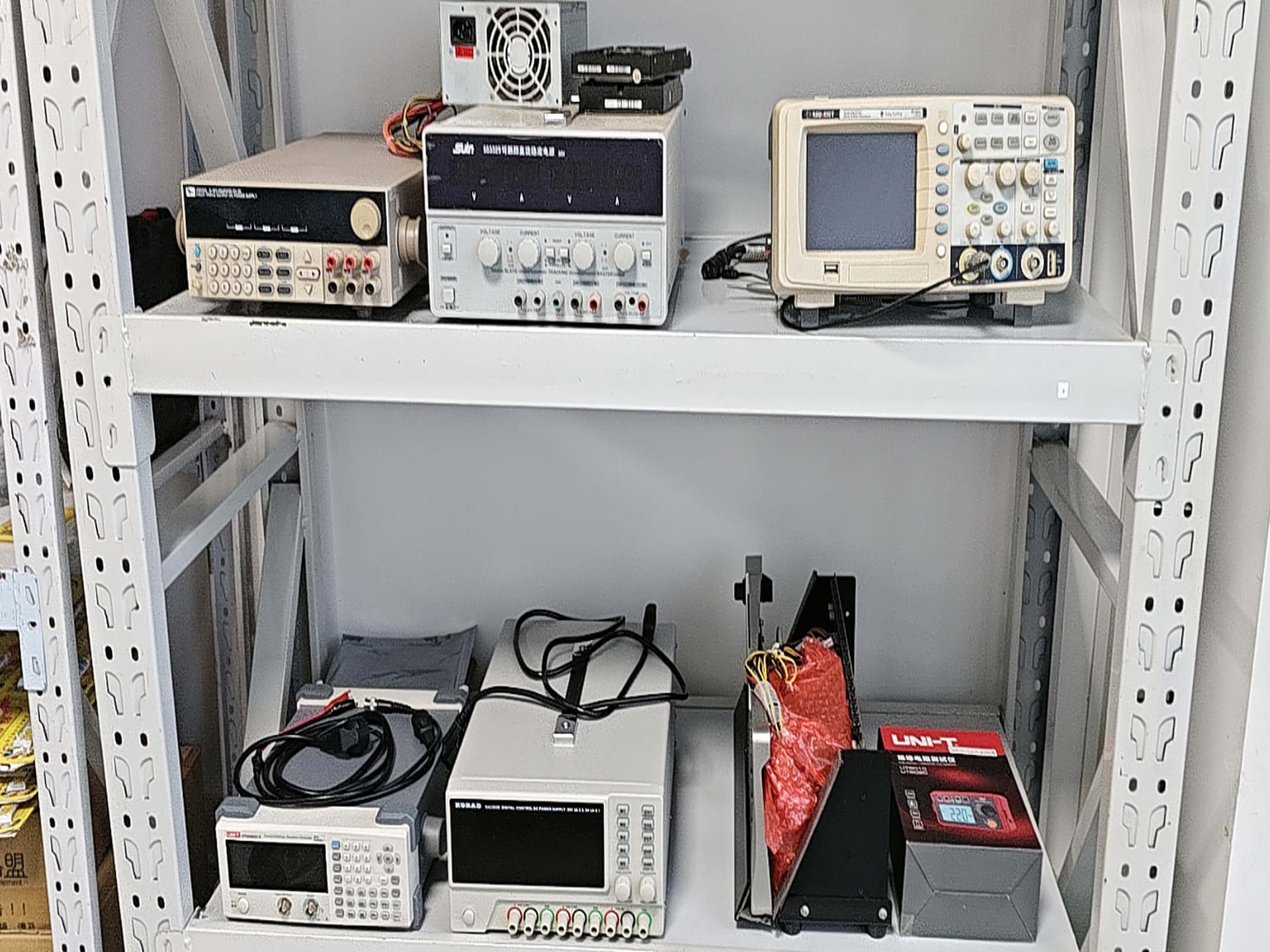
Typical first-article window from existing Australian quote process
Prototype, service replacement, and pilot builds supported
Certified manufacturing systems referenced on the quality page
Continuity and agreed RF checks defined before production release
Built for procurement teams that cannot treat coax like ordinary wire
A coaxial cable assembly carries signal through a center conductor, dielectric, shield, and outer jacket; the basic structure is explained in public references such as coaxial cable. The purchasing risk is practical: if the drawing only says "BNC to SMA, 1 m", the supplier may still miss impedance, cable loss, bend space, connector mounting style, and required RF validation.
Our page is positioned between generic cable assembly and highly specific builds such as RG214 or micro coax. It is the right starting point when the buyer knows the equipment function but still needs an engineer to define whether the assembly should be 50 ohm, 75 ohm, low-loss, double-shielded, miniature, ruggedised, or validated with RF measurements beyond continuity.
the Custom Wire Assembly team
Capability scope and boundaries
In scope: custom coaxial cable assemblies, RF jumpers, antenna leads, panel-mount transitions, mixed-end coax leads, replacement builds, prototypes, pilot lots, and repeat OEM supply.
In scope: 50 ohm and 75 ohm assemblies when the required cable family, connector interface, and test plan are defined or can be confirmed from a sample.
Out of scope: unverified claims for extreme microwave performance without customer-supplied frequency, loss, VSWR, phase, and test limits. Those builds require a defined RF acceptance plan.
Out of scope: raw cable distribution as a commodity-only sale. The service is strongest when the buyer needs assembled, inspected, labeled, and repeatable interconnects.
Coaxial assembly decisions we lock down early
The useful manufacturing work happens before the first cable is cut: define the signal path, the connector interface, and the acceptance test.
50 Ohm and 75 Ohm Build Definition
Coaxial cable assembly work starts by confirming impedance, cable family, connector geometry, route length, and installation environment. A 50 ohm antenna jumper and a 75 ohm video cable may look similar in a photo, but the wrong connector transition can create return-loss problems that continuity testing will never catch.
Connector Families Reviewed Before BOM Freeze
We support common coaxial interfaces such as SMA, BNC, TNC, N-type, MMCX, FAKRA, U.FL-style micro-coax, and approved mixed-end assemblies. The quote review checks mating hardware, panel depth, bend space, gender, keying, and strain relief so the finished assembly can be installed without field improvisation.
RF Test Planning Matched to Risk
A basic coaxial service lead may only need continuity, orientation, length, and visual workmanship checks. RF-critical assemblies can add insertion loss, return loss, VSWR, shielding review, or customer-defined network analyser criteria. The release plan is set before first article build, not after parts fail incoming inspection.
Shielding and Termination Control
Coaxial failures often begin at the stripped shield, dielectric cutback, braid fold, or cable exit. Our process review focuses on jacket preparation, braid handling, connector compatibility, heat-shrink or boot selection, and IPC/WHMA-A-620 workmanship controls for repeatable terminations.
Sample-to-Controlled-Part Conversion
Many Australian RF replacement jobs begin with an imported sample cable, damaged antenna lead, or equipment photo. We help convert that information into a controlled finished length, connector list, label format, revision, and inspection plan so future reorders match the approved assembly.
Prototype-to-Production Handoff
Coaxial cable assemblies are released with the same practical purchasing discipline as other wire harness work: BOM control, first-article confirmation, production notes, packing requirements, and traceable test records where the program requires them.
Technical capability table
The table separates verified site capabilities from RF limits that must be supplied by the buyer. We will not claim a maximum frequency, loss, or VSWR number without the cable, connector, and measurement method being defined for the exact assembly.
Practical selection rule
If the assembly runs through a cabinet or vehicle and only carries a low-frequency shielded signal, the quote may sit closer to standard shielded cable work. If it carries RF, video, telemetry, antenna, or test signals, specify impedance and frequency range before choosing the connector.
If the route includes repeated movement, outdoor exposure, washdown, or tight bend space, add those constraints before the first article. Cable family changes made after connector tooling is selected can force a full redesign.
Manufacturing process
The process is designed for RFQ-stage buyers comparing suppliers. It shows where engineering decisions are made, where a first article reduces risk, and where test records become part of repeat supply.
RF Requirement Review
We review impedance, operating frequency, cable route, connector interfaces, target quantity, and environmental exposure before recommending a coaxial build path. This step prevents a common RF purchasing problem: selecting a connector family before the cable diameter, bend radius, and mating hardware are known.
Cable and Connector Selection
The assembly definition covers cable family, connector gender, body style, crimp or solder approach, boot or heat-shrink needs, label placement, and packing constraints. If the job starts from a sample, we document the missing information before quoting repeat production.
First Article Build
Prototype coaxial assemblies confirm fit, routing, connector orientation, and test acceptance before production. Existing project guidance supports 2-3 week prototype delivery for many custom cable builds, with timing confirmed during quotation.
Controlled Assembly
Production work follows controlled stripping, shield preparation, termination, marking, and inspection instructions. For shielded RF paths, the workmanship focus is the transition from cable to connector because that is where impedance and mechanical reliability often drift.
Test, Pack, and Release
Finished assemblies are checked to the agreed release plan, then packed to protect connector faces and cable exits. Repeat programs can include revision-controlled records, part labels, and test reports aligned to the buyer's incoming inspection process.
Common coaxial cable assembly applications
Antenna jumpers, base-station leads, telemetry radios, and mining communication equipment
BNC, SMA, TNC, and N-type leads for test benches, calibration rigs, and instrumentation racks
FAKRA and compact RF links for vehicle modules, GNSS, telematics, and camera-related harnessing
75 ohm video or broadcast-style interconnects where connector choice and route length are controlled
Micro coaxial leads for compact electronics, imaging modules, medical devices, and embedded wireless products
Replacement coaxial assemblies for imported machinery, legacy equipment, and field service programs
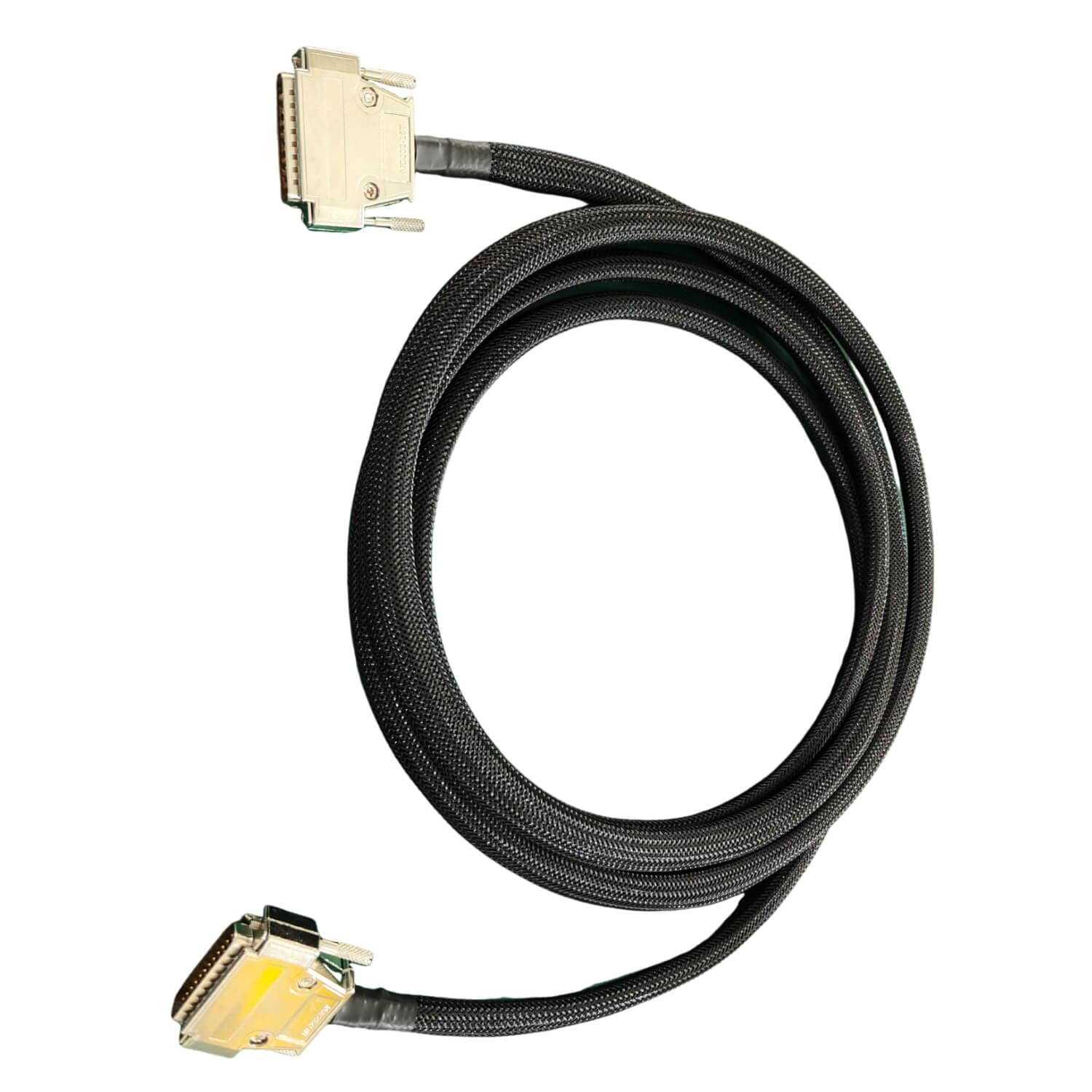
Australian RFQ scenario
A typical buyer sends a 1 m BNC-to-SMA sample for a telemetry enclosure and asks for 20 prototypes, then 500 production units. The quote review should identify impedance, cable loss target, panel space, connector orientation, label format, and whether VSWR or insertion-loss records are required before the pilot lot.
How a typical coaxial cable assembly program runs with us
This is an illustrative description of a representative project type, not a specific customer engagement. As a contract assembler we do not publish customer-identifiable data.
Coaxial cable assembly FAQ
RFQ-stage questions from engineers, buyers, and quality teams comparing coaxial cable assembly suppliers.
I need 200 coaxial cable assemblies for an antenna product. Is that too small?+
No. Custom Wire Assembly supports MOQ 1 prototypes through pilot and repeat production, so 200 coaxial cable assemblies is a normal validation or early production quantity. For a fast quote, send the finished length, connector at each end, impedance requirement such as 50 ohm, operating frequency, and any label or test requirement. Existing site guidance lists prototype timing at 2-3 weeks for many cable assemblies, with the confirmed schedule set after BOM and first-article review.
Should I choose 50 ohm or 75 ohm coaxial cable assembly?+
Choose 50 ohm coaxial cable assembly for most RF, antenna, telemetry, wireless, and test equipment paths; choose 75 ohm where the system is designed around video, broadcast, or other 75 ohm interfaces. The connector must match the impedance as well as the cable, because a mixed 50 ohm and 75 ohm transition can increase return loss. We confirm the system interface, cable type, and test target before freezing the BOM.
Can you test coaxial cable assemblies beyond continuity?+
Yes. Continuity confirms conductor path but does not prove RF performance. Depending on the assembly risk, the release plan can include connector orientation, length, insulation checks, insertion loss, return loss, VSWR, shielding review, and visual workmanship criteria. RF-critical jobs should provide an operating frequency range and acceptance limits before first article build so the test report matches the buyer's incoming inspection requirement.
My current coax cable only exists as a damaged sample. Can you quote it?+
Yes. A damaged sample, installed equipment photo, or old cable drawing can be enough to start the review. We identify connector family, gender, mounting style, approximate cable type, finished length, labels, and strain-relief features, then flag any missing RF requirements before production. A first article is recommended when the original assembly has no controlled drawing, because one wrong connector key or length tolerance can make a replacement unusable.
How do I compare coaxial cable assembly suppliers in Australia?+
Compare suppliers by the questions they ask before quoting: impedance, frequency range, cable family, connector compatibility, bend space, environment, test criteria, and documentation. A supplier that only asks for length and connector names may miss the RF risk. For Australian OEMs, also check whether the supplier can support ISO 9001:2015 records, IPC/WHMA-A-620 workmanship expectations, MOQ 1 prototyping, and repeat production release control.
When should I use RG214, micro coax, or a general coaxial assembly service?+
Use RG214 when the priority is rugged 50 ohm routing, shielding margin, and field durability. Use micro coax when product space, bend radius, and connector pitch are the limiting factors. Use this general coaxial cable assembly service when the buyer is still selecting cable family, impedance, connector interface, and test plan. We can then route the project to a more specific SMA, MMCX, RG214, FAKRA, or micro-coax build.
Related capabilities and industries
Use the general coaxial page when the RFQ is still open. Move to the specific pages when the connector, cable family, or industry context is already known.
RF Cable Assembly Manufacturer
Supplier view for broader RF interconnect programs, telecom equipment, instrumentation, and embedded wireless builds.
RG214 Cable Assembly
Heavy double-shielded 50 ohm coax builds for antenna feeders, field equipment, and harsh-duty installations.
Micro Coaxial Cable Assembly
Miniature shielded coax assemblies for compact electronics, imaging, medical, and embedded RF products.
SMA Cable Assembly
Compact threaded RF connector assemblies for antennas, modules, test equipment, and instrumentation.
Rosenberger Connector Cable Assembly
Branded RF coax, HSD, HFM, and FAKRA-style connector assemblies with controlled test release.
Get a quote for a controlled coaxial cable assembly
Send the cable length, connector ends, impedance, frequency range, environment, and any test requirement. A sample or photo is acceptable when the drawing is incomplete.