
USB Cable Assembly Manufacturing for Australia
Custom USB cable assemblies for medical devices, kiosks, industrial equipment, embedded products, and test systems. Built around the real power, data, shielding, and installation requirements of your product instead of generic catalogue assumptions.
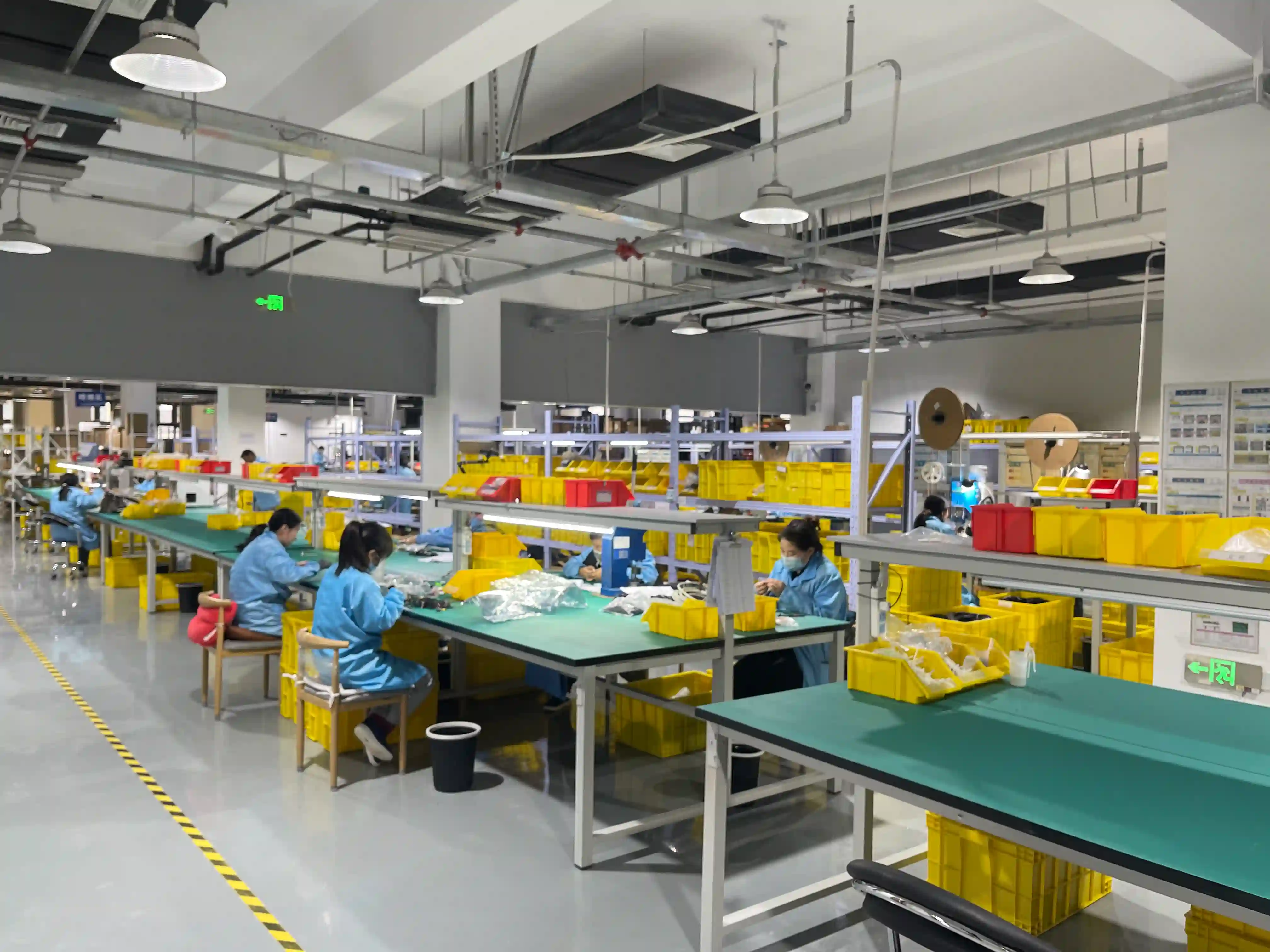
Why USB assemblies need more control than standard charging cables
USB is a widely used interface family for both power delivery and digital communication. The USB standard covers a broad range of connector styles and performance levels, which is exactly why too many projects get under-specified. A cable that is acceptable for charging a handheld device may be completely wrong for a medical instrument, kiosk peripheral, or embedded service port.
That becomes even more obvious with USB-C, where the connector shape alone does not tell you the cable's true electrical role. Current level, data requirement, shielding, length, and any special configuration need to be reviewed together or the project becomes vulnerable to intermittent performance, field returns, and sourcing confusion.
Our job is to define the actual assembly the product needs, then manufacture it in a way that is repeatable for engineering samples, approval builds, and ongoing supply. That reduces ambiguity for buyers and lowers the risk of replacing a validated cable with something that only looks equivalent on paper.
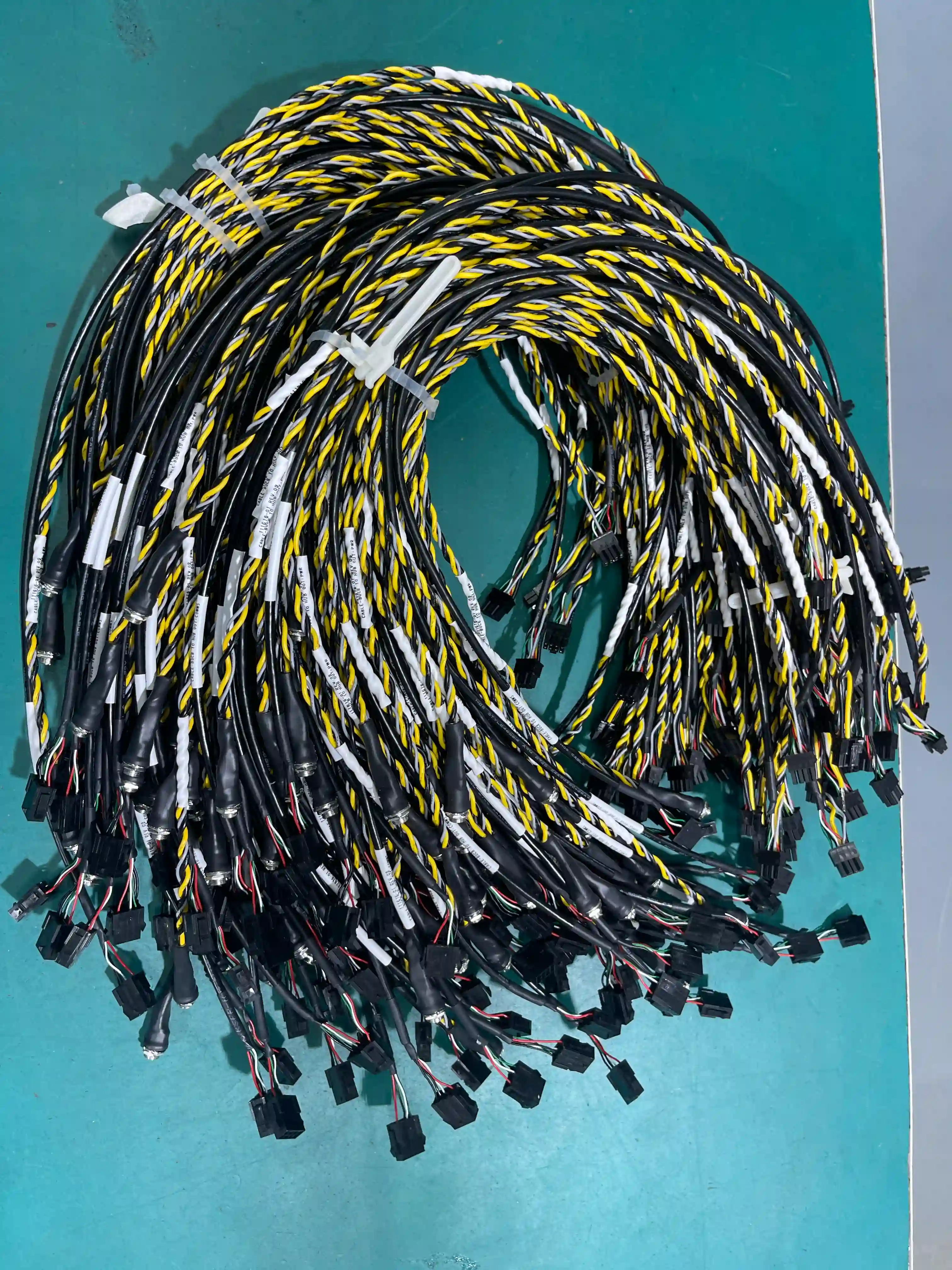
USB assembly capabilities that matter in production
The value comes from matching the assembly to the real device, environment, and sourcing risk instead of treating USB as a commodity afterthought.
Designed Around the Real USB Use Case
A charging lead, a service port cable, and a high-speed USB device interconnect are not the same product. We review protocol, current, cable length, shielding, and installation conditions before confirming the build.
Shielding and Signal Integrity Matter
USB problems often show up as intermittent recognition, unstable data transfer, or unexplained field failures. We focus on cable structure, shield continuity, and connector handling so the assembly is not treated like a generic low-cost commodity lead.
Better Mechanical Reliability
Custom strain relief, panel-mount transitions, grommets, overmolding, and exit-angle decisions help the cable survive the way it is actually routed and handled inside equipment or by end users.
Verification Matched to Product Risk
We align testing to the actual application instead of relying only on visual inspection. That is especially important when the cable becomes part of a medical device, kiosk, embedded controller, or industrial machine interface.
Prototype-to-Production Control
If the project begins with a sample cable or engineering sketch, we can convert it into a documented assembly with stable materials, revision control, and clearer purchasing requirements.
One Supplier for Samples and Repeat Supply
We support engineering samples, pilot builds, and repeat production so your approved USB assembly does not need to be respecified when the program scales.
Technical scope
| Connector Families | USB-A, USB-B, Micro-USB, Mini-USB, USB-C, panel-mount, bulkhead, and custom mixed-end assemblies |
| Protocol Scope | USB 2.0 charging and data builds through higher-speed USB 3.x style constructions where cable design must match signal requirements |
| Build Features | Overmolding, strain relief, shielding, labels, ferrites, panel-mount hardware, custom lengths, and branch control |
| Cable Structures | Power-only, data-plus-power, shielded multi-core, twisted-pair based, and application-specific hybrid constructions |
| Environment Support | Office equipment, kiosks, medical devices, industrial enclosures, service ports, and protected outdoor installations |
| Validation | Continuity, pinout, polarity, workmanship, dimensional checks, and application-specific functional verification where required |
| Production Scale | MOQ 1 prototype through pilot batches, spare-part replenishment, and scheduled OEM production |
| Documentation | Controlled BOMs, part numbering, revision tracking, sample approval, and repeatable work instructions |
Specification checklist
What buyers should lock before release
Define connector type at both ends together with the actual USB function. USB-C alone does not tell anyone the full electrical requirement.
Separate charging-only, charging-plus-data, and higher-speed data needs early because the cable structure changes materially across those use cases.
Confirm the real installation length and routing path before copying an off-the-shelf cable length that creates slack, strain, or signal risk.
Specify whether the assembly needs panel-mount hardware, overmolding, ferrites, labels, or special strain relief before sample approval.
Review the operating environment: repeated plugging, enclosure exit angle, vibration, cleaning exposure, and EMI can all change the best cable design.
Lock the approved sample into a controlled drawing and BOM so future reorders remain interchangeable with the validated build.
Common USB cable assembly applications
Typical projects mix power, data, enclosure integration, and repeatability requirements that off-the-shelf leads rarely solve cleanly.
Medical and Diagnostic Devices
USB assemblies for handheld instruments, patient-adjacent accessories, charging cradles, service ports, and data transfer links where reliability and traceability matter.
Industrial HMIs and Control Equipment
Custom USB cables for machine interfaces, programming ports, embedded controls, barcode devices, and operator panels where panel-mount access and strain relief are critical.
Kiosks, POS, and Self-Service Equipment
Internal and external USB assemblies for printers, scanners, displays, payment peripherals, and service access points in compact commercial equipment.
Test Systems and Engineering Fixtures
USB harnesses and adapters used in programming rigs, data logging, production test, calibration benches, and validation setups that need repeatable routing and clear identification.
Consumer and Embedded Electronics
Short-run and production USB assemblies for charging, syncing, debugging, and internal device-to-device links inside compact electronic products.
Retrofit and Replacement Programs
Sample-based USB cable replacements for imported devices or legacy systems where the original part is difficult to source or lacks usable documentation.
How we take a USB assembly into repeat supply
Application Review
We review connector types, required protocol level, current, target length, environment, panel-mount needs, and any shielding or overmold requirements before the design is frozen.
Cable and Connector Definition
Our team confirms the cable structure, contact style, connector orientation, strain-relief method, and installation geometry so the assembly fits the real device rather than a generic catalogue assumption.
Prototype or First-Article Build
Initial samples are produced for fit, routing, mating, and functional review so any problems with speed, retention, or enclosure space are caught early.
Controlled Assembly and Inspection
Assemblies are cut, terminated, overmolded or sleeved where required, labelled, and checked to controlled work instructions with revision-managed documentation.
Validation and Release
Finished USB assemblies are verified to the agreed criteria, packed to protect connector condition, and released with the documentation needed for repeat ordering or incoming inspection.
Good input for a fast USB quote
Connector type and gender at both ends
Charging-only, data, or combined power-plus-data requirement
USB protocol level or product interface expectation
Finished length and installation path
Shielding, panel-mount, ferrite, or overmold requirements
Prototype quantity and expected annual usage
If you only have a working sample or a device photo, that is still enough to start. We regularly help teams convert undocumented USB cables into controlled production parts.
Need a USB cable assembly that will survive production and field use?
Send your sample, device photos, or current cable part reference. We can help define the right USB assembly, align it with your mechanical and electrical constraints, and move it into controlled repeat supply alongside related capabilities such as overmolding, testing, and broader custom cable assembly manufacturing.
USB-C, USB-A, Micro-USB, Mini-USB, and mixed-end builds
Charging, data, and application-specific power-plus-data assemblies
Panel-mount, shielded, labelled, and overmolded options
Prototype samples through repeat OEM replenishment
How a typical usb cable assembly manufacturing program runs with us
This is an illustrative description of a representative project type, not a specific customer engagement. As a contract assembler we do not publish customer-identifiable data.
Common questions about USB cable assemblies
Most issues with USB cables come from ambiguous requirements and commodity substitutions. These are the questions we address most often during quoting and first-article review.
We build custom USB cable assemblies across common connector families including USB-A, USB-B, Micro-USB, Mini-USB, and USB-C. Projects range from simple device power leads to shielded data-plus-power cables, panel-mount extensions, locking USB formats where specified, and custom mixed-end assemblies for embedded products and industrial equipment.
Related capability and technical resources
Continue with adjacent service pages and engineering guides relevant to custom USB builds.
Overmolded Cable Assembly
For sealed exits, stronger strain relief, and a cleaner product-ready finish.
Testing & Quality Control
Review how we verify pinout, workmanship, and application-specific cable performance.
Connector Selection Guide
See how connector choice affects retention, serviceability, and sourcing risk.
Strain Relief Guide
Learn how routing, bend control, and exit support reduce cable failures in the field.