
RG214 Cable Assembly Manufacturing
Custom RG214 cable assemblies for antenna systems, telecom infrastructure, RF test setups, mining communications, and harsh-duty field equipment. We build around the real connector interface, routing condition, and inspection risk so the cable is practical to install and dependable to reorder.
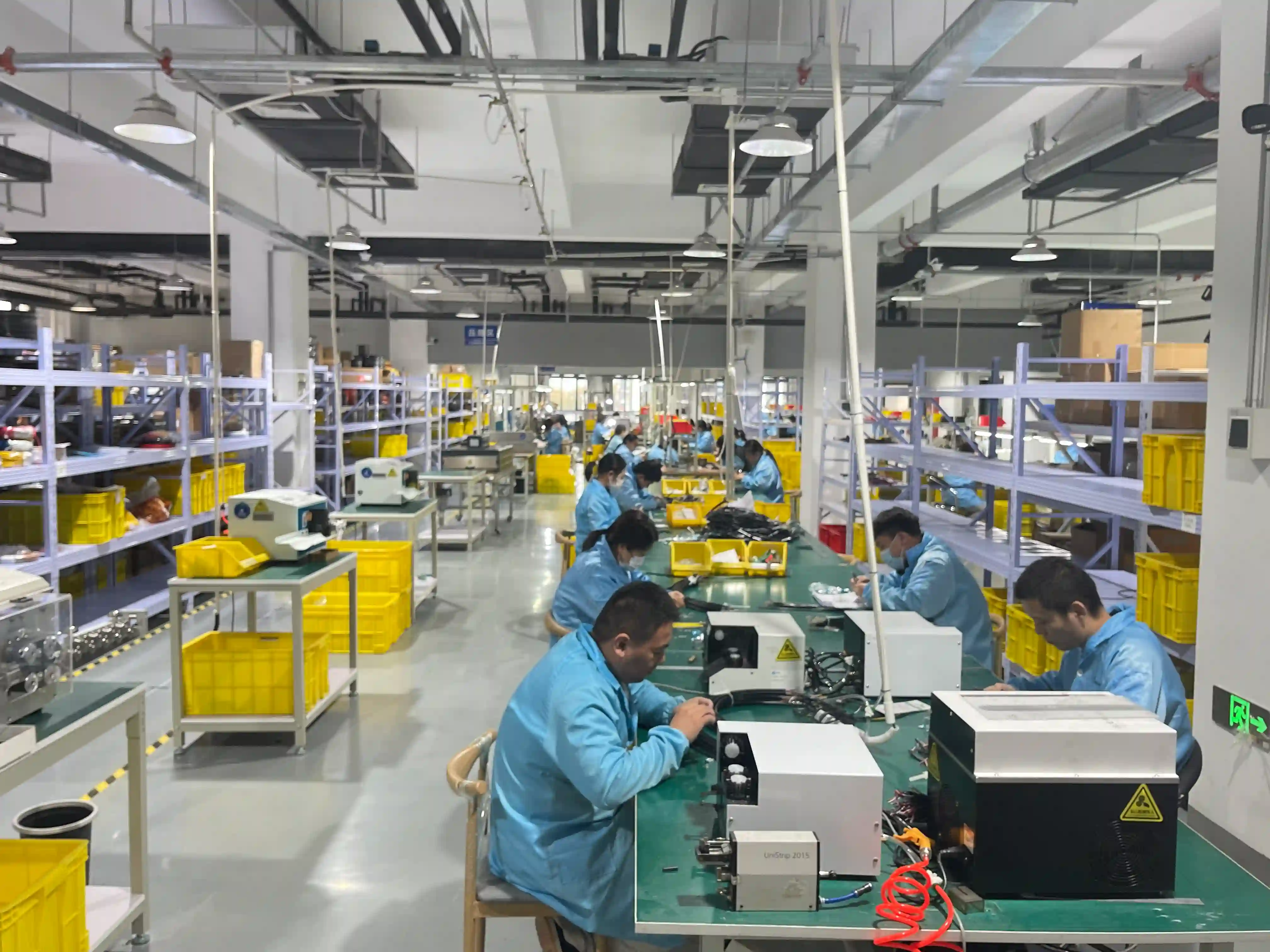
Why buyers specify RG214 instead of lighter coax
RG214 is usually chosen when the assembly must carry a controlled RF signal but also survive a rougher mechanical environment than smaller coax can comfortably handle. It is common on antenna runs, equipment jumpers, and field-service cables where double shielding, abrasion tolerance, and connector stability carry real purchasing value.
The underlying design logic is tied to the behaviour of coaxial cable: shielding continuity, impedance control, bend radius, and connector geometry all matter together. For buyers comparing interface standards, MIL-STD-348 is also a useful reference for RF connector interface definitions used across many industrial systems.
The trade-off is that RG214 is bigger, heavier, and less forgiving in tight cabinets than compact coax options. That is why we review the actual route, connector family, and service conditions before confirming the BOM. The right cable is the one that solves the installed problem, not the one with the most impressive part number.
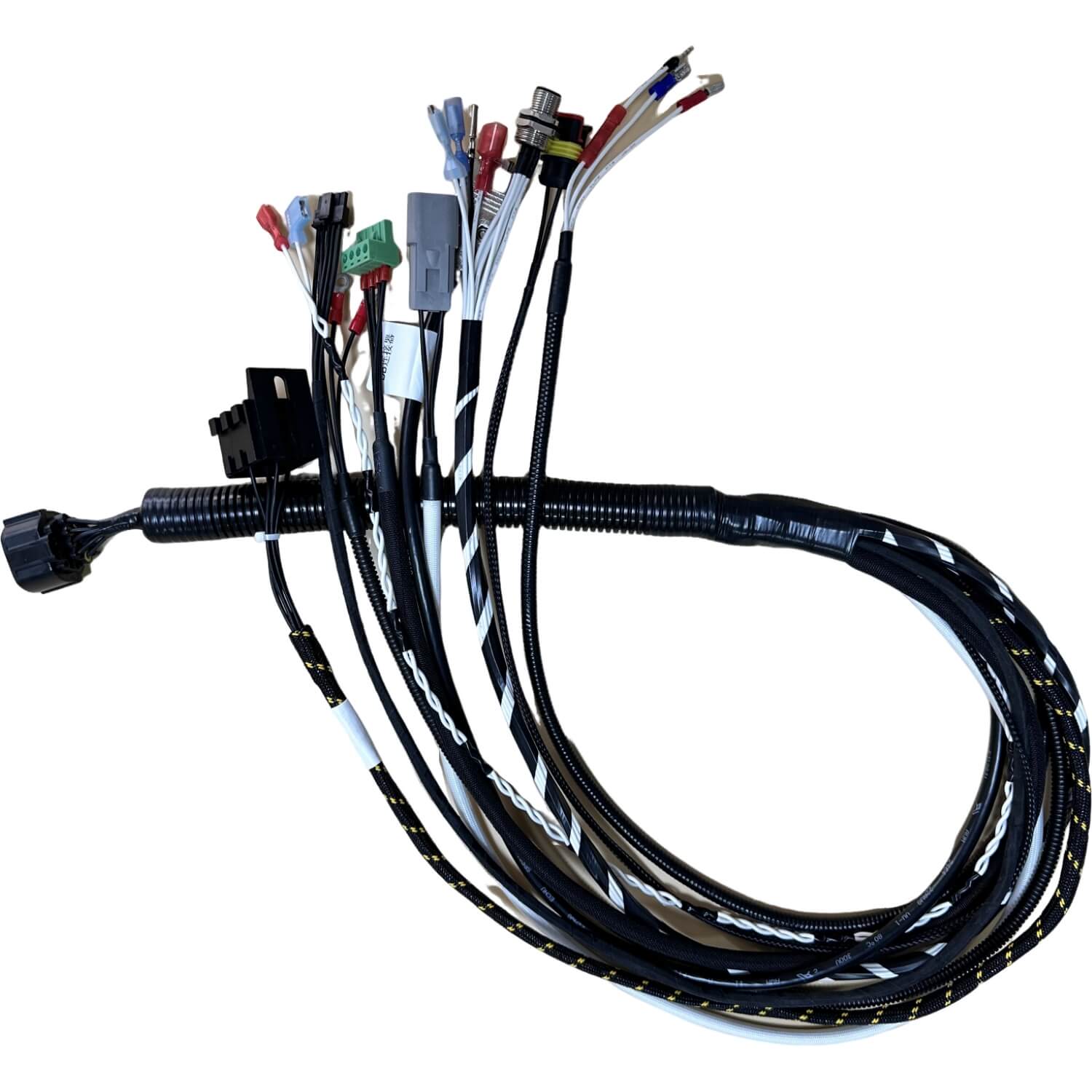
Technical and sourcing checkpoints for RG214 programs
These are the details buyers usually need aligned before an RG214 cable can move from sample stage into repeat purchasing.
Nominal Impedance
50 ohm coax assemblies for RF transmission, antennas, wireless infrastructure, and test setups
Cable Focus
RG214 double-shielded coax selected where durability and shielding margin matter more than compact size
Common Connector Families
N-type, TNC, BNC, SMA, UHF, bulkhead transitions, and customer-specified mixed ends where cable compatibility is confirmed
Mechanical Priority
Larger bend radius, stronger strain management, and routing discipline compared with lighter coax constructions
Shielding Benefit
Double-braid style constructions often chosen for better EMI control in electrically noisy or mission-critical environments
Validation Options
Continuity, orientation, length, workmanship, insulation checks, return loss, insertion loss, and VSWR when specified
Typical Supply Mode
Prototype samples, pilot builds, field replacements, scheduled OEM supply, and controlled spare-part replenishment
Target Markets
Telecom, mining, industrial radio, marine electronics, test and measurement, and infrastructure projects
What matters when outsourcing RG214 cable assembly manufacturing
The build quality of a heavy RF cable is defined by connector compatibility, routing realism, and inspection discipline more than by generic catalogue claims.
Selected When Extra Shielding Margin Matters
RG214 is commonly specified because a heavier double-shielded coax can give buyers more confidence in EMI control, especially when the assembly runs near power equipment, radios, motors, or dense communications hardware.
Built for Real Antenna and Infrastructure Installations
We review the complete run, not just the connector names. Bulkhead layout, panel depth, cable support, bend space, and field access all affect whether an RG214 assembly remains practical after installation.
Connector Selection That Respects Cable Size
Large RF cable does not tolerate casual connector substitution. We confirm connector compatibility, termination geometry, and strain-relief approach before the job is released, which reduces rework and field mismatch.
Inspection Scope Matched to Signal Risk
An internal jumper for a protected rack and an external antenna feeder for a harsh-duty site do not need the same release criteria. We align the inspection plan to the actual risk instead of forcing every part through a generic checklist.
Prototype-to-Production Control for RF Purchasing Teams
When a cable starts as a sample lead or retrofit project, we help convert it into a repeatable BOM, controlled length, documented connector orientation, and defined acceptance plan so future reorders stay interchangeable.
Good Fit for Harsh-Duty Australian Applications
RG214 is frequently considered when the assembly must serve mining, marine, telecom, transport, or industrial equipment where robustness and shielding are purchasing priorities, not optional extras.
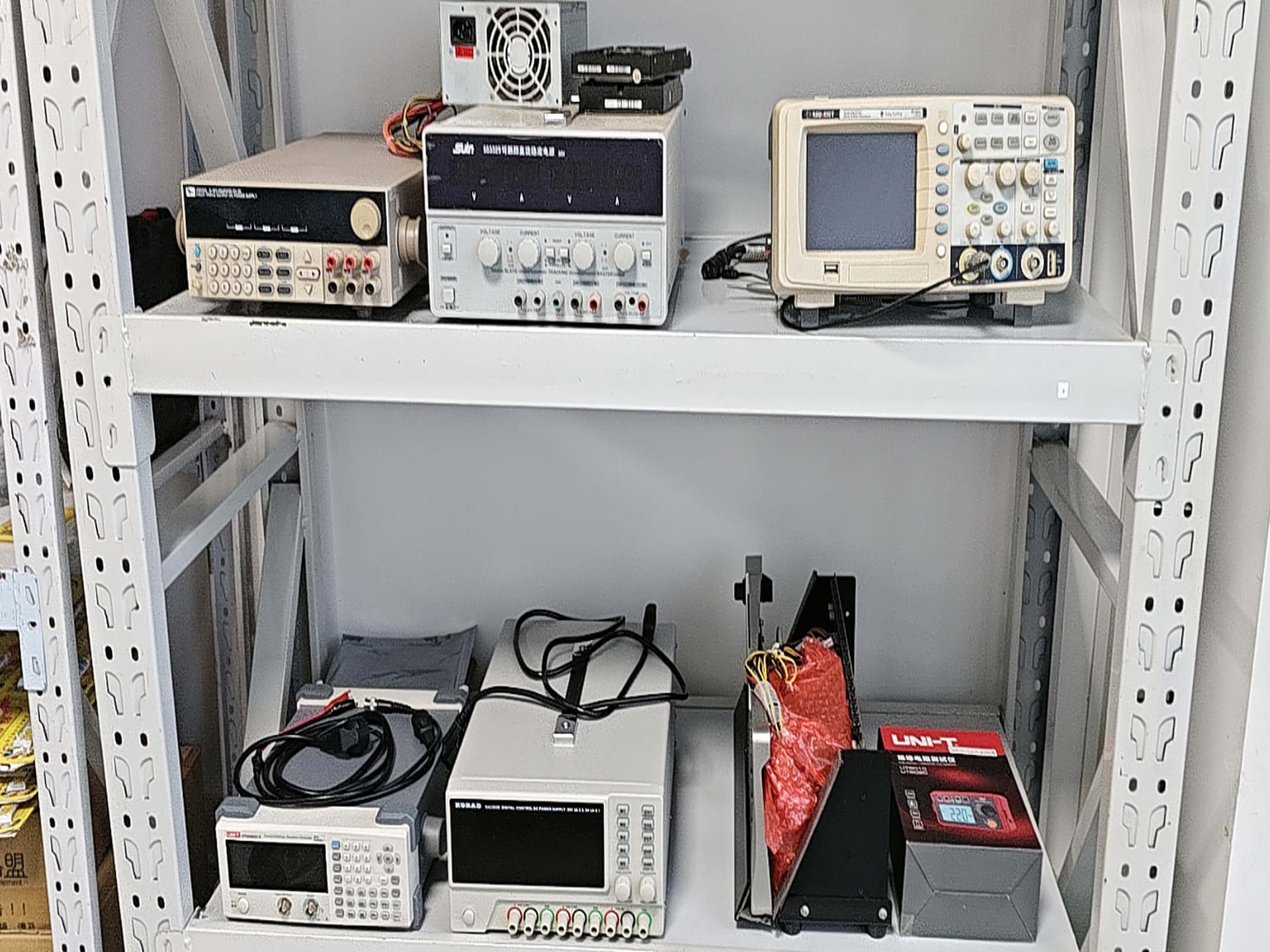
Typical applications for RG214 cable assemblies
Antenna Feeders and Radio Jumpers
RG214 cable assemblies for base stations, repeaters, vehicle radios, mast-mounted antennas, remote telemetry equipment, and communication shelters where cable durability and shielding consistency matter.
Telecom and Network Infrastructure
Heavy-duty coax interconnects for rack hardware, distributed radio systems, monitoring equipment, and infrastructure upgrades where buyers want a documented RF assembly rather than an off-the-shelf substitute.
Mining, Transport, and Field Equipment
Robust RG214 assemblies for harsh-duty sites, mobile equipment, and remote installations where vibration, abrasion, maintenance access, and service life are more important than minimal cable diameter.
Test and Measurement
RG214 assemblies for RF benches, instrumentation, lab setups, and calibration environments where connector orientation, cable length, and identification need to stay stable from one build to the next.
Replacement and Retrofit Programs
Sample-based replacement leads for ageing imported equipment, obsolete field systems, and customer-owned antenna networks that still need a dependable local supply path.
How we take an RG214 requirement into controlled supply
The goal is not just to build a working prototype. The goal is to define a cable assembly that can be purchased again without drift.
Application and Route Review
We review frequency range, run length, connector family, bend space, mounting requirements, and environmental conditions before confirming whether RG214 is the right cable family for the job.
Connector and Assembly Definition
Our team aligns the connector bodies, backshell or bulkhead details, labeling, and any protective accessories to the actual installation so the assembly can be manufactured and serviced reliably.
Prototype or First-Article Build
Initial samples are used to confirm fit, cable exit angle, handling, and electrical suitability before the part enters repeat production. That is where we remove ambiguity around orientation, tolerances, and documentation.
Controlled Termination and Inspection
Assemblies are cut, terminated, identified, and checked to controlled work instructions that focus on cable compatibility, workmanship consistency, and repeatable connector presentation.
Test, Pack, and Release
Finished cables are verified to the agreed acceptance plan, packed to protect the connectors and cable jacket, and released with the revision control needed for future purchasing or incoming inspection.
RG214 cable specification checklist
Confirm that RG214 is being chosen for a real electrical or mechanical reason, not just because it appears on an old drawing. Larger coax adds weight and bend constraints that should be justified.
Specify connector family, connector gender, and mounting style together because RG214 jobs often fail when those details are inferred instead of documented.
Define the real operating frequency range and expected route length before freezing the cable because loss, handling, and connector suitability depend on the whole signal path.
Review bend space and support points early. RG214 is less forgiving than smaller coax when routed through tight cabinets, mast brackets, or mobile equipment.
Document whether the cable is indoor, outdoor, vehicle-mounted, or exposed to washdown, vibration, or UV so protective accessories are not added too late.
Freeze the approved prototype into a controlled part number, BOM, and inspection plan so replacement cables do not drift from the validated build.
Related capability and technical content
Coaxial cable assembly services
Best starting point when the RFQ still needs impedance, connector, cable family, and test criteria defined.
SMA cable assembly services
Useful when the end interface is a threaded RF connector and the cable family is still being defined.
MMCX cable assembly services
Relevant when the product needs a much smaller RF connector and lighter cable than RG214 allows.
RF connector types guide
Helpful when you are choosing between N-type, SMA, BNC, TNC, and other RF connector families.
Telecommunications cable assembly guide
Broader procurement context for infrastructure, uptime, and compliance-sensitive communication programs.
How a typical rg214 cable assembly manufacturing program runs with us
This is an illustrative description of a representative project type, not a specific customer engagement. As a contract assembler we do not publish customer-identifiable data.
RG214 cable assembly FAQs
Common questions from buyers sourcing double-shielded RF and antenna interconnects.
RG214 cable assemblies are typically selected for 50 ohm RF and antenna applications that need stronger shielding and higher mechanical robustness than lighter coax constructions. Common uses include antenna feeders, telecom infrastructure, radio systems, mining communications, test equipment, and outdoor installations where abrasion, routing stress, and EMI control matter.
Need an RG214 cable assembly that fits the actual installation?
Send a drawing, sample cable, antenna layout, connector list, or field photo. We can help define the right RG214 build, confirm connector compatibility, and move the part from prototype into controlled repeat supply.