
EV Wire Harness Manufacturer for Australian Buyers
Commercial EV wire harness manufacturing for battery packs, BMS wiring, charging systems, CAN communication, and thermal-management assemblies. Built for prototype approval, controlled release, and repeat supply.
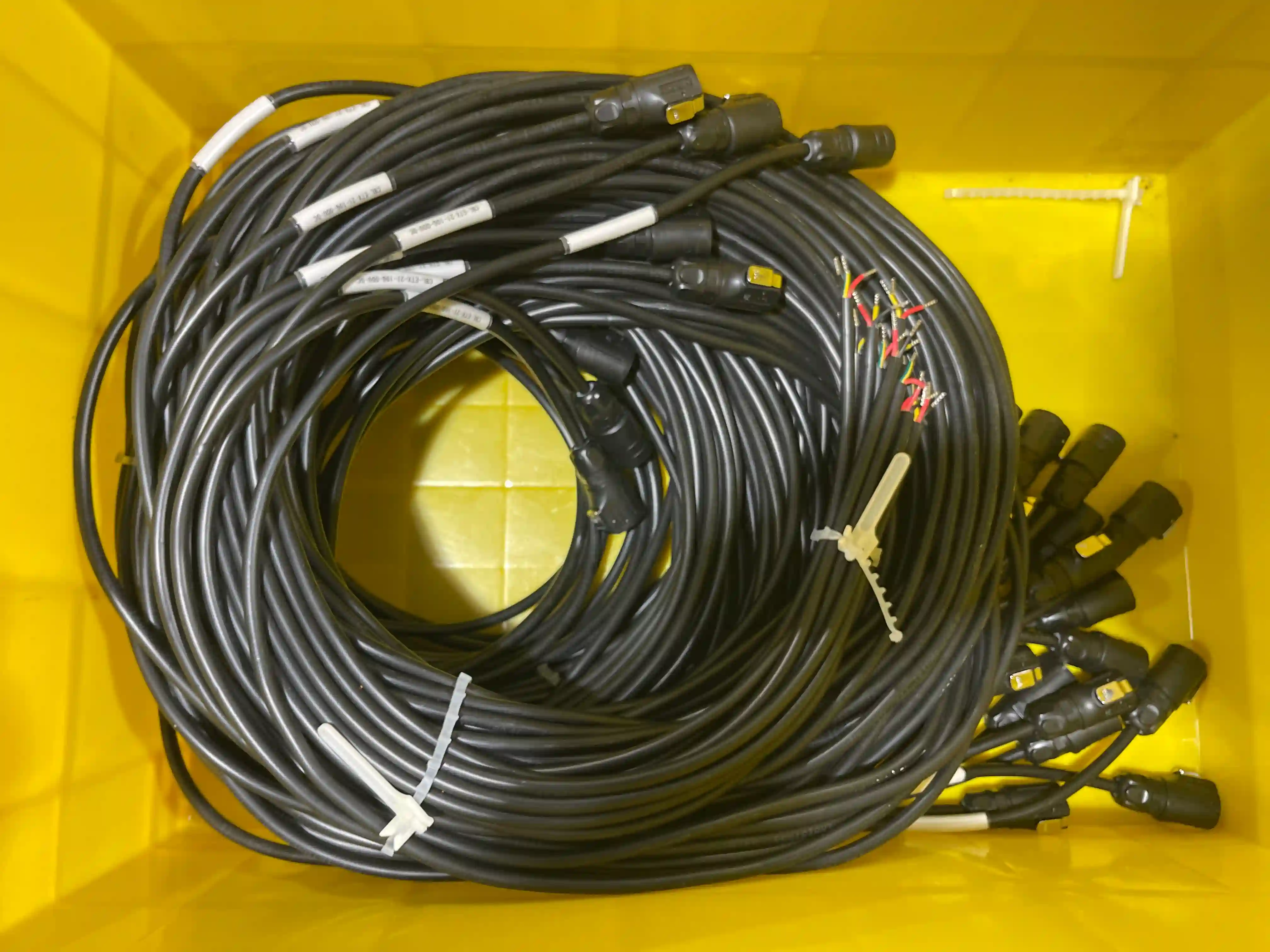
Why Buyers Use a Dedicated EV Wire Harness Manufacturer
EV harness work is not just conventional automotive wiring with different colours. Battery systems, communication loops, charging paths, thermal interfaces, and service access all increase the need for release control and repeatable manufacturing.
Battery and BMS-Aware Build Control
EV harnesses are often shaped around battery modules, BMU or BMS branches, current-sense paths, and service access. We define branch geometry and connector orientation around installation reality, not only the flat drawing.
Insulation, Shielding, and Protection Discipline
Electric platforms mix power, communication, and sensing. That means cable coverings, shield strategy, breakouts, and sealing methods need to be documented early so the harness is manufacturable and repeatable.
Prototype-to-Production Release Path
The goal is not just a working sample. We build pilot and production plans around approved materials, test coverage, labels, and revision control so later reorders do not drift from the released design.
Validation Evidence for Serious Buyers
EV programs need more than a pass-fail statement. We align continuity, pinout, dimensional checks, and optional insulation-resistance or hi-pot requirements to the specific harness risk.
Real Environmental Fit
EV harnesses may sit near battery enclosures, cooling loops, underbody zones, charging hardware, or vibration-heavy vehicle structures. Material and protection decisions are made around those conditions.
Commercial Fit for OEM and Tier Teams
We support buyers who need fast quoting, engineering review, approved first articles, and ongoing production or service-spare supply for electric vehicle platforms.
EV Programs This Capability Supports
We support harness programs that sit across electric propulsion, energy management, diagnostics, and service replacement. That includes both vehicle OEM programs and lower-volume specialist platforms that still need serious release discipline.
Battery Pack and Module Harnesses
Harnesses for voltage sensing, temperature monitoring, balancing leads, interconnect branches, service disconnect interfaces, and battery-pack subassemblies that demand controlled routing and clear identification.
Charging and Power Distribution Subsystems
Assemblies for charge-port interfaces, contactor control, fuse and PDU branches, low-voltage auxiliaries, and adjacent cable content that needs dependable termination and release discipline.
Thermal Management and Sensor Looms
Cable and harness builds for coolant pumps, valves, fans, pressure sensors, and temperature sensing where compact routing and connector retention matter.
CAN Bus and Vehicle Communication Branches
Twisted-pair and mixed-signal harness content for BMS communication, diagnostics, gateway modules, and control systems where pair control and connector mapping must stay consistent.
Electric Motorcycle and Specialist EV Platforms
Low-volume electric motorcycles, utility vehicles, mobile machinery, and specialist transport often need a supplier that can handle complex builds without a high-volume automotive-only mindset.
Service Parts and Supplier Transfer Programs
Replacement harness supply for existing EV platforms, imported equipment, or programs moving away from a slow or poorly documented incumbent source.
Public Reference Points Buyers Commonly Ask About
EV harness programs often need shared language for non-specialist procurement, quality, and project teams. Public overviews of battery management systems and CAN bus help explain why branch logic, pin mapping, and network behaviour matter more in electric platforms.
For power-related interfaces, public summaries of high-voltage practice and the IEC standards framework are useful when teams need a stable public explanation of insulation, protection, and electrical safety expectations.
If your project already knows it needs a power-focused interconnect rather than a broader subsystem harness, our high-voltage cable assembly capability is the better match. If you need wider vehicle-level harness support, see our automotive wire harness supplier page.
Technical and Commercial Fit
Buyer Checklist
These points usually separate a clean first article from a delayed EV harness release.
Define branch lengths from connector faces, clips, or breakout references instead of relying only on one overall harness length.
Freeze connector orientation and cavity numbering before first-article approval, especially on battery and charger-adjacent branches.
Separate mandatory lot-release checks from engineering validation tests so suppliers are quoting the same scope.
Document shielding, grounding, and pair-routing rules on CAN and noise-sensitive circuits before pilot build.
Lock label text, location, and durability early because EV service teams depend on those identifiers in the field.
Review alternates carefully. Small changes in terminal, seal, or cable wall can affect fit, retention, electrical margin, and manufacturability.
Manufacturing Process for EV Harness Programs
The process has to protect both engineering intent and reorder stability. That means design review, sample control, and test planning are treated as part of manufacturing rather than as afterthoughts.
Program and Architecture Review
We review subsystem function, connector families, voltage classes, packaging constraints, environmental exposure, and whether the job is a new EV design, service replacement, or supplier transfer.
Drawing, Sample, and BOM Alignment
Branch dimensions, cavity references, labels, coverings, shielding notes, and alternates are aligned into a defined build basis before the harness enters production.
Prototype or First-Article Build
Initial harnesses are built for fit, routing, mating, and electrical validation so the release standard is based on evidence rather than assumptions.
Controlled Production and Testing
Assemblies are cut, terminated, labelled, protected, and tested to the agreed release plan instead of a generic one-size-fits-all inspection routine.
Ongoing Supply and Revision Control
After approval, the harness remains under controlled documentation so repeat orders, engineering changes, and service-spare requirements can move with less ambiguity.
EV harness reference: voltage classes, HVIL and acceptance responsibilities
This public-specification reference and illustrative acceptance matrix contain no measured customer results. Voltage classes follow ISO 6469-3. Product requirements follow the applicable datasheets and your drawing; harness records are agreed at quotation.
Voltage class boundaries: ISO 6469-3 reference
| Voltage class | Reference boundary | Basis |
|---|---|---|
| Class A | Up to 60 V DC or 30 V AC | ISO 6469-3 electrical safety of electric road vehicles |
| Class B: DC range | Above 60 V DC, up to 1,500 V DC | ISO 6469-3 electrical safety of electric road vehicles |
At 60 V DC the reference is class A; above 60 V DC it is class B within the stated DC range. Harness requirements differ between these classes. Specify the product requirements from the cable and connector datasheets and the customer drawing. Set test voltages and acceptance thresholds in the customer specification.
For power-circuit requirements, refer to high-voltage cable assembly alongside the voltage class on your drawing.
HVIL: define the low-voltage loop through HV connectors
The high-voltage interlock loop (HVIL) is a low-voltage loop wired through high-voltage connectors. Unmating a connector opens the loop so the system can shut the high voltage down. Its pins and continuity therefore belong in the harness pinout and test scope.
- Pin assignment: Identify the HVIL pins on the customer drawing using the connector maker's datasheet.
- Harness acceptance: Include loop continuity against that pinout in the test requirements agreed at quotation.
- System responsibility: Keep high-voltage shutdown validation with the vehicle maker or tier-1/system integrator as part of vehicle electrical safety. A harness continuity record does not provide vehicle-level approval.
Use the EV wire harness design and manufacturing guide alongside the connector datasheet when documenting the loop.
Shield termination: specify the connection, not just the cable
Shielded high-voltage cable needs a defined shield termination. A 360° termination is common; the customer specification determines the required method. Record that method on the drawing against the selected cable and connector datasheets.
- Cable data: Reference the cable maker's datasheet for the selected product.
- Connector data: Reference the connector maker's datasheet for the selected termination interface.
- Assembly requirement: The customer owns the specified shield termination. We build to that drawing; vehicle EMC remains with the vehicle maker or tier-1.
Refer to the shield termination guide when preparing the assembly requirement.
EV harness acceptance matrix (example template, not a customer result)
Illustrative requirements template — no measured values or pass results
Complete these fields from the customer drawing and component datasheets. Agree the applicable checks and records at quotation. No universal insulation-resistance threshold, high-potential test voltage or crimp limit is assigned here.
| Parameter | Low-voltage harness (class A) | High-voltage harness (class B) | Who owns the requirement |
|---|---|---|---|
| Pin-to-pin continuity | Enter pinout reference and required connections. | Enter pinout reference and required connections. | Customer: drawing and pinout. Harness supplier: agreed check and record. |
| HVIL loop continuity | If carrying the HVIL loop, enter its pins and continuity requirement from the drawing. | Enter the low-voltage loop pins through the HV connectors and the continuity requirement. | Customer: loop pinout using connector maker data. Vehicle maker or tier-1: system shutdown. |
| Insulation resistance | Enter applicability, test voltage and threshold from the customer specification. | Enter test voltage and threshold from the customer specification. | Customer: test requirements. Harness supplier: scope and records agreed at quotation. |
| High-potential test | Enter applicability, test voltage and acceptance thresholds from the customer specification. | Enter test voltage and acceptance thresholds from the customer specification. | Customer: test requirements. Harness supplier: scope and records agreed at quotation. |
| Crimp height and pull test | Enter terminal data reference and applicable inspection limits. | Enter terminal data reference and applicable inspection limits. | Terminal maker: crimp data. Customer: specified terminal. Harness supplier: agreed inspection records. |
| Shield termination | Enter the drawing requirement where shielding is specified. | For shielded HV cable, enter the customer-specified method; 360° is a common reference, not an assigned requirement. | Customer: termination method using cable and connector maker datasheets. Vehicle maker or tier-1: vehicle EMC. |
| Label and lot traceability | Enter label requirements and lot-record fields agreed at quotation. | Enter label requirements and lot-record fields agreed at quotation. | Customer: identification requirements. Harness supplier: agreed traceability records. |
Use this matrix to define the harness testing and inspection scope at quotation. Actual acceptance values must come from the specified requirements.
What we can and cannot provide
- We can provide: Manufacture against the customer drawing and harness-level records within the scope agreed at quotation.
- We cannot provide vehicle-level approval: Homologation and vehicle electrical-safety approval, including under ECE R100, belong to the vehicle maker or tier-1.
- We cannot establish vehicle performance from harness records: Thermal-rise validation in the vehicle and vehicle EMC belong to the vehicle maker or tier-1/system integrator.
- This reference is not project evidence: The acceptance matrix is illustrative. It contains no customer test record or measured project result.
For communication branches within the same drawing package, see CAN bus cable assembly and agree the harness record scope separately from vehicle validation.
How a typical ev wire harness manufacturer program runs with us
This is an illustrative description of a representative project type, not a specific customer engagement. As a contract assembler we do not publish customer-identifiable data.
FAQ
What does an EV wire harness manufacturer typically supply?
Can you support both prototype EV harnesses and repeat production?
Do all EV harnesses require orange cable and shielding?
What quality documentation do EV buyers usually expect?
Can you work from incomplete drawings or sample harnesses?
Which EV applications fit this page best?
Where is the boundary between voltage class A and class B for an EV harness?
What must the harness drawing and test scope include for HVIL?
Do harness acceptance records provide ECE R100 vehicle approval?
Related EV and Automotive Content
High Voltage Cable Assembly
Power-focused cable assemblies for elevated voltage systems, insulation control, and verification planning.
Automotive Wire Harness Suppliers
Broader automotive harness supply for OEM and tier buyers across body, cabin, and vehicle electronics.
CAN Bus Cable Assembly
Twisted-pair CAN bus assemblies for robust vehicle communication and controlled connector mapping.
EV Wire Harness Design Guide
Practical design and manufacturing guidance for 400 V and 800 V EV harness programs.
Wire Harness PPAP Guide
Understand the documentation and release mindset buyers use on higher-control harness programs.
Automotive Industry Solutions
See the wider vehicle and mobility applications we support for Australian OEM and specialist programs.
Need an EV Harness Supplier That Can Move Past the First Sample?
Send your drawing, sample, cavity map, or BOM. We can review the harness for manufacturability, quoting clarity, and prototype-to-production release control.