
High Voltage Cable Assembly Manufacturing for Australia
Custom high voltage cable assemblies for EV platforms, energy storage, industrial power equipment, and harsh-environment transport systems. Shielded, insulated, and production-ready builds backed by ISO and IATF-certified quality systems.
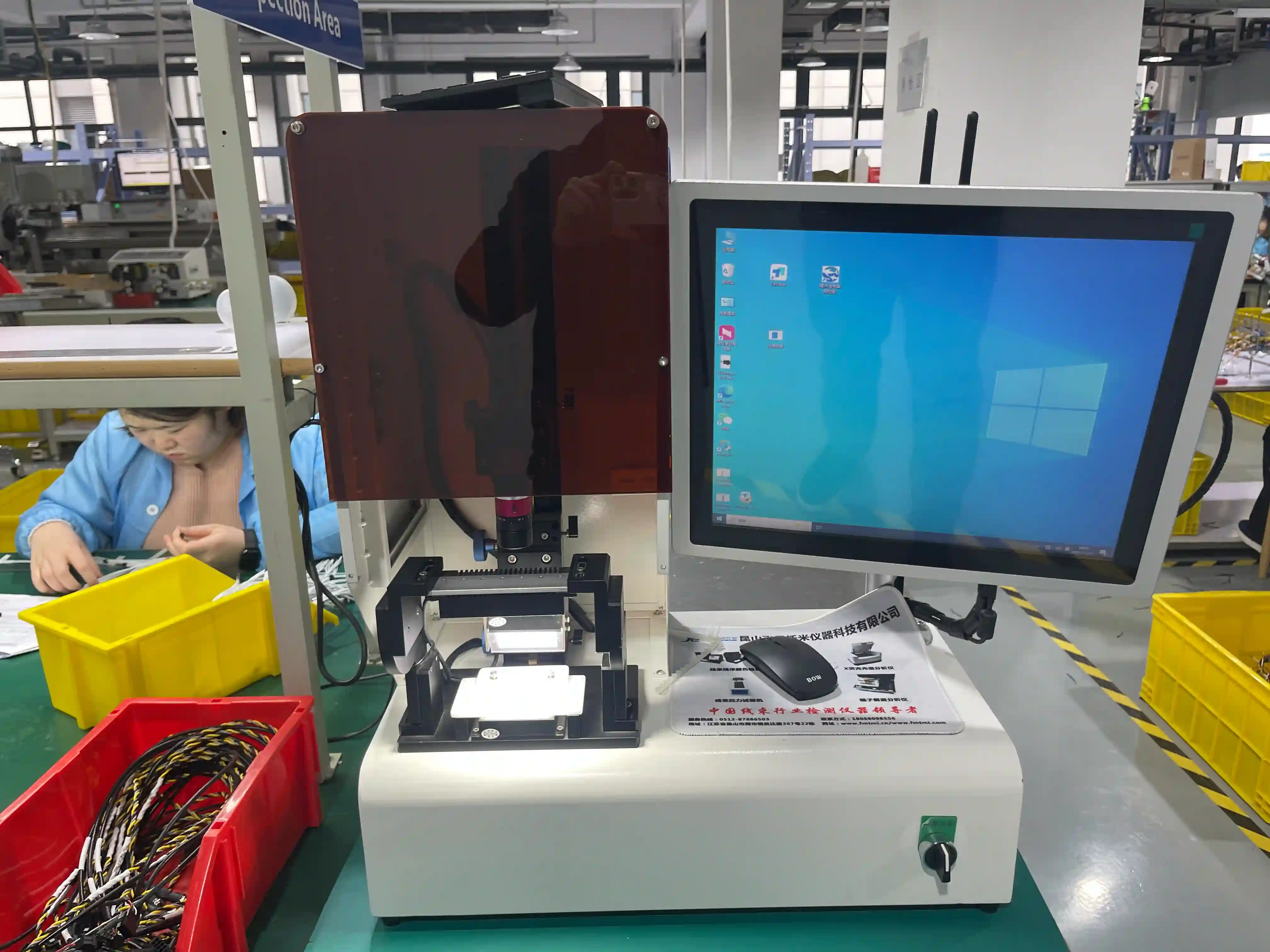
Why high voltage cable assemblies need tighter control than standard power leads
Elevated voltage changes the design conversation. The assembly is no longer just about conductor size and connector fit. Insulation system, termination geometry, bend control, shield strategy, sealing, and the electrical validation plan all become part of the risk profile.
That is why buyers usually need more than a commodity cable. They need a documented assembly that is repeatable in production, traceable in purchasing, and consistent in the field. For Australian OEMs and integrators, that often means reviewing routing constraints, service access, and test expectations before the first prototype is released.
Good high voltage design also relies on recognised technical concepts such as high-voltage insulation practice, creepage and clearance control, and the standards framework published by the International Electrotechnical Commission. Those references do not replace application-specific engineering, but they do explain why detail matters so much more once voltage and stored energy increase.
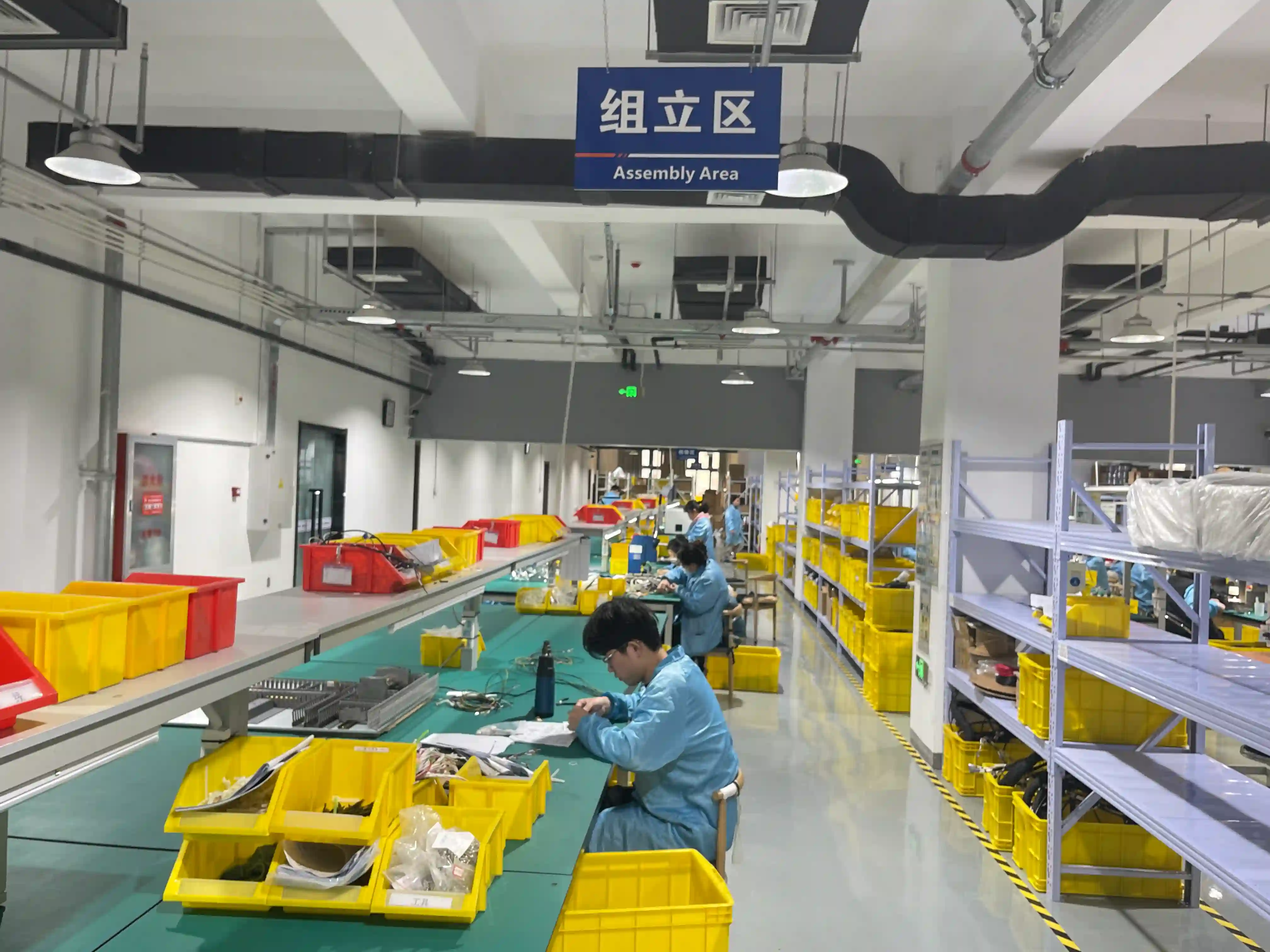
What buyers typically need from a high voltage cable assembly supplier
The job is usually not just to build a cable. It is to reduce installation risk, testing ambiguity, and field failure exposure on a power-critical assembly.
Insulation and Routing Built Around Real Risk
We review insulation system, cable wall thickness, bend path, and mechanical support around the actual installation instead of treating a high voltage assembly like a generic battery lead.
Designed for Power Density and Packaging Constraints
High voltage assemblies often live in tight cabinets, EV battery enclosures, or equipment bays. Connector orientation, branch breakout, and service loops are defined around the installed hardware so rework is reduced during build and field service.
Electrical Verification That Fits the Application
Continuity alone is not enough for elevated voltage systems. We align insulation resistance and dielectric withstand checks to the design intent so the release process matches the risk profile of the assembly.
Materials Chosen for Heat and Environment
We help select insulation and jacket materials around ambient temperature, thermal cycling, oil exposure, UV exposure, abrasion, or chemical contact instead of defaulting to commodity cable.
Support for EV, Energy, and Industrial Power Programs
We support prototypes, replacement parts, and controlled production for battery systems, inverter links, chargers, transport electrification, and heavy-duty industrial equipment.
Documented Production Control
First articles, revision-controlled work instructions, and clear test requirements help move a high voltage assembly from engineering sample to stable purchasing supply.
Technical scope we commonly support
| Typical Use Cases | Battery packs, inverters, chargers, industrial power cabinets, energy storage, transport equipment, and test systems |
|---|---|
| Cable Constructions | Single-core and multi-core insulated power cables, shielded and unshielded, with flexible or ruggedised jackets |
| Conductor Range | Selected around current, routing, and connector requirements rather than a one-size-fits-all cable choice |
| Insulation Systems | PVC, XLPE, silicone, and other application-specific compounds reviewed around temperature, voltage class, and environment |
| Shielding Options | Unshielded, foil, braid, and hybrid shield constructions with controlled termination where required |
| Termination Styles | Crimp lugs, ring terminals, circular power connectors, sealed interfaces, mixed-end builds, and customer-specified systems |
| Electrical Validation | 100% continuity testing with insulation resistance and hi-pot verification added to match the risk and specification |
| Quality System | ISO 9001 certified manufacturing with documented inspection and traceable build control |
Design review checklist
Define the actual operating voltage class, current, and duty cycle together. One number on its own is not enough to specify a safe power assembly.
Confirm connector part numbers and mating interfaces early because housing geometry, sealing, and creepage distance depend on the exact connector family.
Document bend radius, clamp positions, and strain relief points so the installed cable does not transfer stress into the termination zone.
Separate electrical test requirements into continuity, insulation resistance, and dielectric withstand instead of using a vague “100% tested” note.
Identify the exposure profile: heat, oil, UV, chemicals, flexing, abrasion, and vibration all affect insulation and jacket selection.
Lock labels, colour coding, warning marks, and revision control before service-spare orders begin, especially for field replacement programs.
From Specification to Test Plan: The Numbers a High Voltage Drawing Needs
A high voltage assembly cannot be tested to a requirement that was never written down. This table lists what to state, with public references where one exists. Test levels and pass limits come from your product specification and the standard it cites, not from this page.
| Parameter | What to state | Reference and how to check |
|---|---|---|
| Working and peak voltage | DC or AC (RMS) working voltage, and the highest peak or transient voltage the assembly can see. | Insulation choice and test levels depend on both numbers, so one voltage figure on its own is not enough. Take the limits from the system specification. |
| Current and duty cycle | Continuous current, peak current and its duration, and the ambient temperature along the route. | Heat comes from I²R, as in the worked example below. Check the result against the temperature rating of the insulation and of the connector contacts. |
| Creepage and clearance at terminations | The connector family and mating part numbers, plus the pollution and environment the termination sees. | Creepage is the length of the leakage path along a surface (see the creepage definition in the Wikipedia article on insulators). A figure of 20 to 25 mm per kV in that article is given for high-voltage insulators in general, not for enclosed cable assemblies, so take the distances from the connector datasheet and your standard. |
| Dielectric withstand (hi-pot) | Test voltage, AC or DC, ramp, dwell time, leakage trip limit, and which conductors, shields or chassis are tested. | The Wikipedia hipot article gives durations normally up to 5 minutes and typical trip limits of 0.1 to 20 mA, and says the requirements depend on the standard that applies. Use your own specification. |
| Insulation resistance | DC test voltage, minimum resistance, and the conditions (temperature, humidity) the reading is taken in. | Megohmmeters typically provide 500 V to 5 kV. The pass floor comes from your specification, not from a general value. |
| Thermal and mechanical validation | Temperature range, thermal-cycle count if required, bend radius, vibration profile, and what report you want with the first article. | These come from the application standard or your design review. Ask for the test report and the sample size it covers, not only a pass note. |
| Marking and documentation | Orange or other colour identification if your system requires it, labels, warning marks and drawing revision. | Colour and marking rules come from the system or vehicle specification you build to. Confirm them before the first build. |
Hi-pot versus insulation resistance
The two tests answer different questions. A dielectric withstand (hi-pot) test applies a voltage above the working voltage between conductors, or between a conductor and a shield or ground, and watches for breakdown or excess leakage. The same article notes the test voltage can be DC or AC, the duration depends on the test requirements and is normally up to 5 minutes, and typical equipment trip limits range from 0.1 to 20 mA.
An insulation resistance test applies a DC voltage and reads a resistance, usually with a megohmmeter, which the reference describes as typically providing 500 V to 5 kV (some up to 15 kV). It shows how healthy the insulation is, where hi-pot shows whether it withstands the stress. Write the test voltage and the minimum resistance in the test plan; the numbers on a generic datasheet are not a substitute.
Worked example: heat in the conductor (assumed inputs)
Assume a 25 mm² copper conductor, 2 m long, carrying a steady 150 A. At 20 °C, copper resistivity is about 1.68 × 10⁻⁸ Ω·m, so the conductor resistance is 1.68 × 10-8 × 2 / 25 × 10-6 = 1.34 mΩ.
Heat in the conductor is I²R = 150² × 0.00134 ≈ 30 W, about 15 W per metre, and the drop across the conductor is 150 × 0.00134 ≈ 0.2 V. Resistance rises as the conductor warms, so the real figure is higher. This is why current, duty cycle and ambient temperature must be stated together and checked against the insulation and connector temperature ratings.
Illustration only, with assumed inputs and no customer data. Use the cable datasheet and your own conditions for a real design.
Application areas for custom high voltage cable assemblies
These programs usually demand better documentation and testing than stocked leads can provide.
Electric Vehicle and Off-Highway Power Systems
Assemblies linking battery modules, contactors, chargers, and inverter systems where insulation integrity, vibration resistance, and serviceability matter.
Energy Storage and Power Conversion
Cables for battery energy storage systems, PCS equipment, DC distribution modules, and charging infrastructure with controlled routing and clear part identification.
Industrial Cabinets and Power Equipment
High voltage interconnects for machinery, switchgear-adjacent subsystems, test benches, and control equipment where dependable insulation and repeatable termination are required.
Rail, Transport, and Mobile Equipment
Power assemblies for transport platforms and harsh-duty mobile equipment exposed to vibration, temperature swings, dust, and service access constraints.
Laboratory and Validation Systems
Custom cables for test rigs, validation fixtures, and engineering labs where traceability, exact pinout, and repeat build quality are more valuable than generic stocked leads.
Retrofit and Replacement Programs
Reverse-engineered or second-source assemblies for legacy imported equipment where the original cable is obsolete, expensive, or difficult to procure locally.

Our build process for high voltage programs
Specification and Risk Review
We review the operating voltage class, current, connector system, routing constraints, environment, and required compliance or test expectations before confirming the assembly path.
Cable and Termination Selection
Our team aligns conductor size, insulation system, shielding, jacket compound, strain relief, and connector family to the actual application rather than default catalogue assumptions.
Prototype or First-Article Build
Initial builds are produced for fit, handling, bend control, mating, and electrical validation so design gaps are corrected before repeat release.
Controlled Production and Inspection
Assemblies are cut, stripped, terminated, identified, and inspected to revision-controlled work instructions with material and workmanship checks at defined points.
Electrical Test and Release
Finished builds undergo the agreed electrical verification sequence, then are packed and released with the documentation needed for incoming inspection or repeat ordering.
Validation and compliance focus
High voltage assemblies usually need clearer validation language than standard low-voltage cables. Buyers often ask for continuity, insulation resistance, dielectric withstand, identification, and workmanship criteria to be called out separately so incoming inspection and field maintenance teams know exactly what was verified.
The published quality capabilities include 100% electrical testing, with insulation resistance and hi-pot available where the specification calls for them. Test voltages, dwell times and limits come from your specification and the standard it cites, so write them into the test plan before the first article.
If your project also needs shielding, ingress protection, or industry-specific documentation, we align the assembly package with those requirements during quotation rather than leaving them ambiguous until production.
Related technical references and internal guides
Useful context when material and certification expectations need to be mapped to the cable and connector system.
AS/NZS cable assembly compliance guideInternal guidance on compliance checkpoints for Australian projects.
Wire harness testing guideExplains continuity, insulation resistance, and hi-pot testing in more detail.
Testing and quality capabilityOverview of the site's production verification process and quality system.
High voltage cable assembly FAQs
Buyer questions we hear most often during quoting and first-article review.
A high voltage cable assembly is an insulated power interconnect designed to carry elevated voltage safely between batteries, inverters, chargers, power distribution units, motors, test equipment, or industrial systems. It combines the selected cable construction, connector system, insulation and shielding strategy, strain relief, labeling, and electrical verification into a ready-to-install assembly.
Need a controlled quote for a high voltage cable assembly?
Send the drawing, connector references, or a sample assembly. We can review the insulation, routing, connector interface, and test expectations before the part moves into prototype or repeat supply.