
Automotive Wire Harness Suppliers for Australian OEM and Tier Buyers
Source prototype, pilot, and repeat-production automotive harnesses from a supplier that understands release control, sealed connector systems, CAN bus routing, EV subsystem requirements, and the documentation buyers need before they approve a harness for recurring supply.
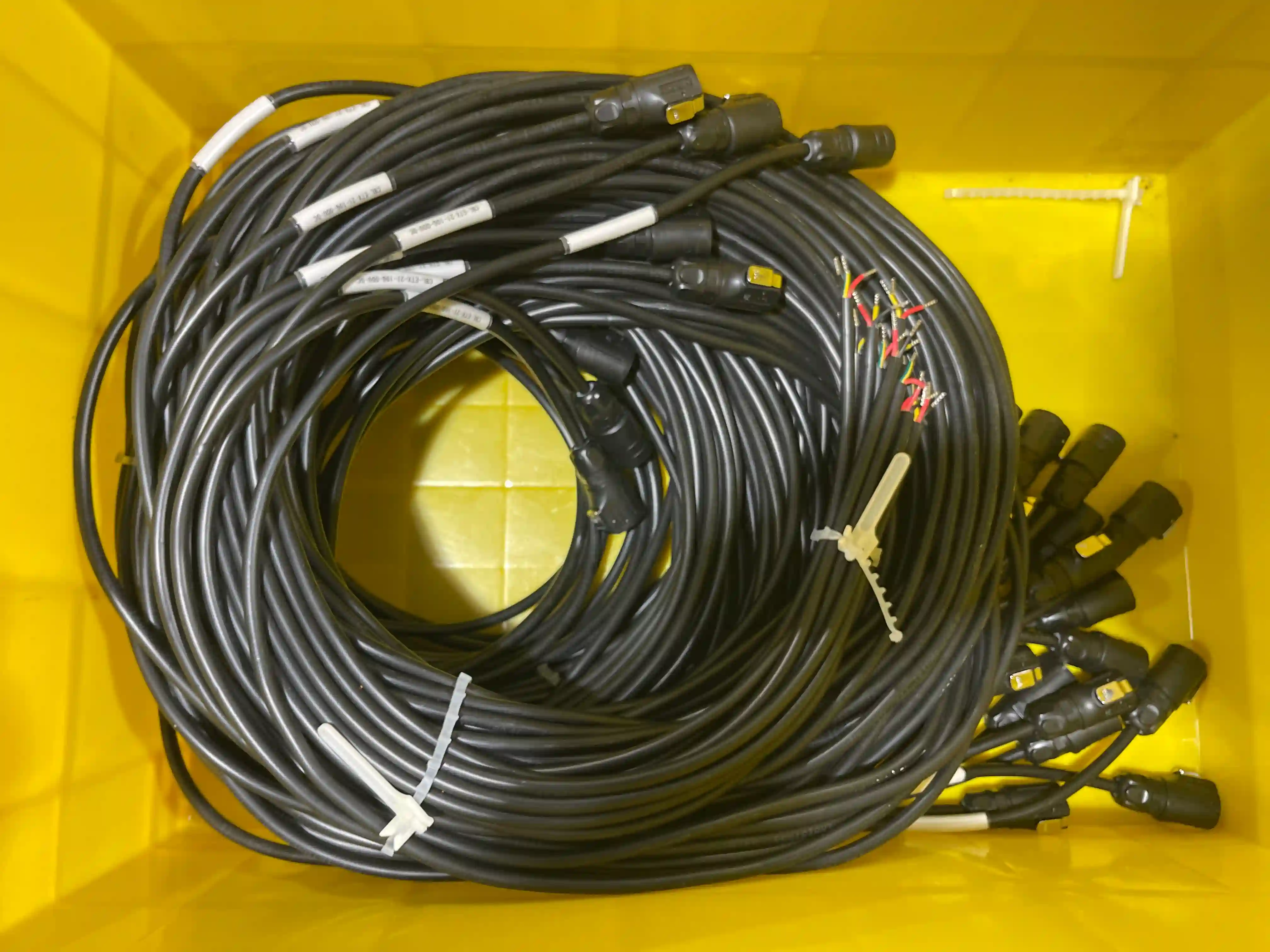
What buyers actually need from automotive wire harness suppliers
Automotive sourcing is rarely about buying a generic harness. Buyers normally need a supplier that can move from sample or drawing review into a stable release with controlled materials, repeatable branch geometry, documented test coverage, and reliable reorder logic. That is especially true when the harness touches vehicle communication, sealed under-bonnet routing, or EV-adjacent electrical systems.
Our approach aligns to the quality and process expectations procurement teams already recognise from IATF 16949 and ISO 9000. For networked vehicle systems, we also pay attention to signal-routing details relevant to CAN bus and other automotive communications instead of treating every assembly like simple low-risk hook-up wire.
Why this capability is different from a general automotive page
Automotive Release Discipline
Vehicle harness buyers usually care as much about traceability and repeatability as they do about the physical build. We structure the release around approved materials, branch dimensions, labels, and test evidence.
PPAP and First-Article Mindset
Even when a full PPAP package is not required, the same thinking matters. Sample approval, cavity maps, connector orientation, inspection notes, and revision control reduce surprises when the job moves into purchasing.
Vehicle Network and Signal Awareness
Automotive harnesses often mix power, sensor, and network wiring in one assembly. CAN bus pairs, shield continuity, sealed terminations, and routing logic all need to be defined early, not corrected after a failed trial fit.
Built for Ongoing Supply
We support MOQ 1 prototypes, pilot runs, aftermarket replacement programs, and scheduled production so the supplier relationship can continue after the first build proves out.
Legacy and Supplier Transfer Support
Many programs start because the original harness source is slow, obsolete, or undocumented. We can work from samples and field information to rebuild a controlled replacement supply path.
Commercial Fit for OEM and Tier Buyers
The process is designed for buyers who need reliable quoting, documentation, testing, and reorder control across multiple vehicle or subsystem releases.
Vehicle programs we support
Body Electronics and Cabin Harnesses
Harnesses for switches, displays, lighting, seat functions, HVAC modules, and interior electronics where compact routing and labelled branch control matter.
Engine Bay and Harsh-Duty Looms
Sealed and protected harnesses for heat, fluids, vibration, and tight packaging around sensors, actuators, and under-bonnet electrical systems.
EV and Battery-Adjacent Assemblies
Assemblies for battery monitoring, low-voltage controls, charging interfaces, and adjacent harness content that needs clear identification, insulation discipline, and traceable release.
Telematics, RF, and Camera Interfaces
Automotive builds that combine coax, FAKRA, power, and signal terminations for antennas, GNSS, telematics modules, and connected-vehicle electronics.
Aftermarket and Service-Part Programs
Replacement harnesses for field repairs, legacy vehicles, speciality platforms, and imported equipment where a stable supplier reduces downtime and service complexity.
Low-Volume Specialist Vehicles
Programs for motorsport, mining vehicles, utility bodies, and niche automotive equipment that do not fit a high-volume commodity supplier model.

Commercial and technical fit
| Typical Scope | Body harnesses, cabin looms, sensor harnesses, low-voltage power distribution, CAN bus cables, FAKRA-linked RF interconnects, EV subsystem wiring, and service replacements |
|---|---|
| Connector Families | Deutsch, TE Connectivity, Molex, JST, Aptiv, Yazaki-style interfaces, terminal blocks, sealed automotive connectors, and customer-specified legacy systems |
| Protection Options | Braided sleeve, conduit, cloth or PVC tape, heat shrink, labels, grommets, breakout control, strain relief, and overmolding where the design requires it |
| Validation | 100% continuity and pinout checks with optional insulation resistance, hi-pot, crimp pull-force, shield continuity, dimensional checks, and first-article evidence |
| Documentation Basis | Drawing review, cavity map confirmation, branch measurement points, label schedule, approved sample control, revision tracking, and buyer-specific release notes |
| Commercial Fit | Prototype MOQ 1 through pilot runs, scheduled production, service-spare replenishment, and supplier-transfer programs for Australian buyers |
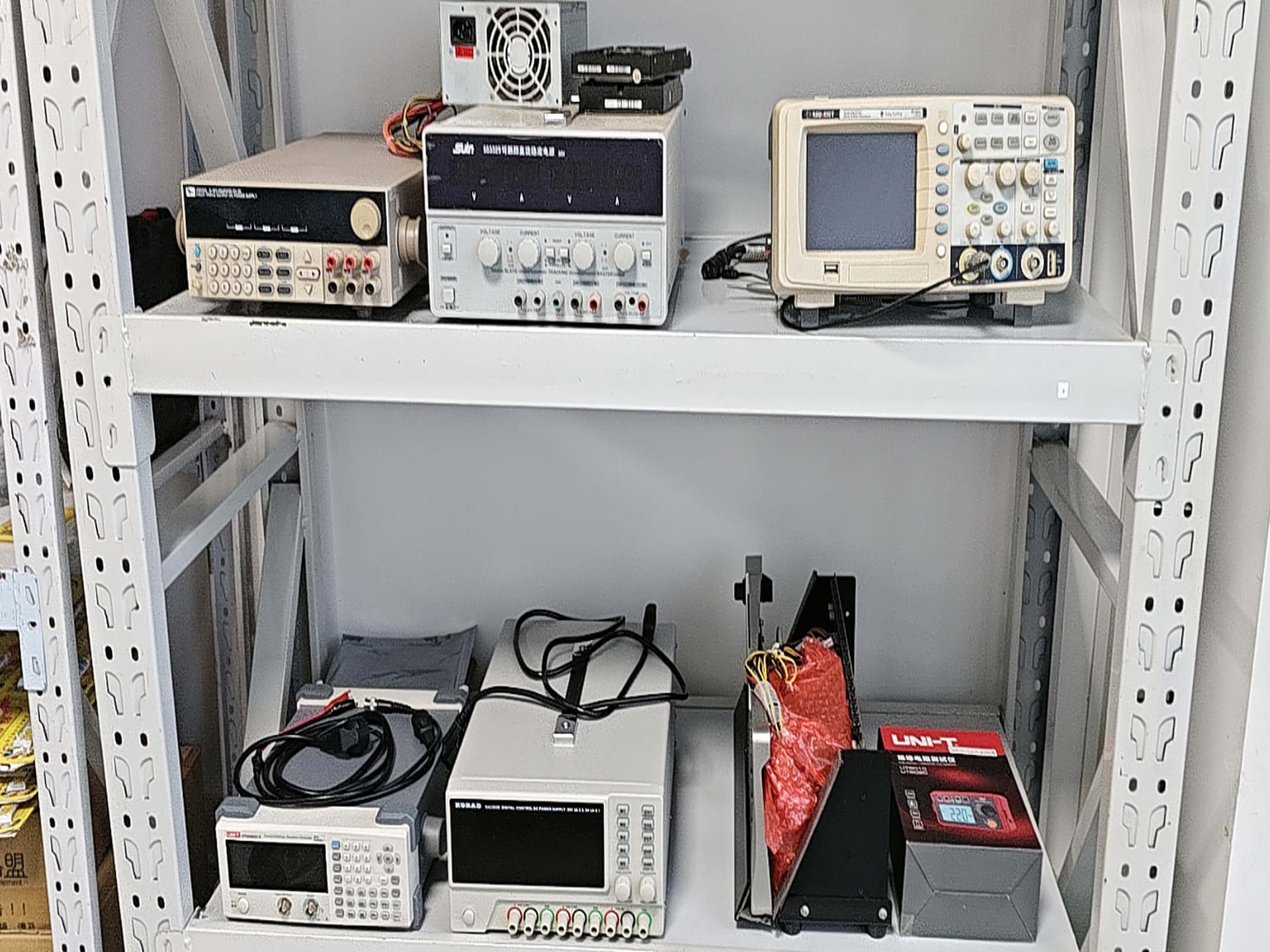
How supply is released and held stable
Requirements and Program Review
We review the vehicle subsystem, environment, connector family, annual volume, validation needs, and whether the job is a new design, a replacement build, or a supplier transfer.
Drawing, Sample, and BOM Alignment
Branch lengths, cavity references, labels, coverings, seals, and any alternates are aligned into a defined build basis before the harness enters production.
Prototype or First-Article Build
Initial parts are built for fit, routing, mating, and electrical validation so the release standard is based on evidence instead of assumptions.
Controlled Production and Testing
Assemblies are cut, terminated, labelled, protected, and tested against the agreed release plan rather than generic pass-fail expectations.
Ongoing Supply and Revision Control
Once approved, the harness stays under controlled documentation so repeat orders, service spares, and program updates can move faster with less ambiguity.
Buyer checklist before you RFQ automotive wire harness suppliers
Define branch lengths from connector faces, breakouts, or clips instead of only one overall harness length.
Freeze connector orientation, cavity numbering, and mating references before first-article approval.
Separate mandatory lot-release tests from optional engineering validation checks.
Lock label text, location, and durability early because vehicle service teams depend on those identifiers.
Review approved alternates carefully. A different terminal or seal can change tooling, pull force, fit, or environmental performance.
If the harness supports a vehicle network, document pair twist, shielding, and grounding rules before quoting.
PPAP deliverables we can supply for a harness release
When a program calls for PPAP, these are the elements a wire harness submission usually contains, and what each one looks like for a harness. We supply the PPAP level (1–5) the buyer specifies rather than assuming a full submission on every job. For background on how PPAP fits harness sourcing, see our wire harness PPAP guide.
| Design records | Approved harness drawing, wiring table, cavity/pinout map, and the BOM revision used for the build. |
|---|---|
| Process flow & control plan | Cut, strip, crimp, seal, assemble, test, and pack steps with the control points that hold each characteristic. |
| PFMEA | Process failure modes for crimp, seal, routing, and test stages, with the controls that mitigate them. |
| Dimensional & layout results | Branch lengths, breakout positions, and overall geometry measured against the drawing. |
| Crimp & initial process studies | Crimp-height and pull-force records, with capability (Cpk) where the program requires an initial process study. |
| Material & compliance records | Wire, terminal, seal, and connector data with RoHS/REACH and IMDS-style declarations where specified. |
| Test & first-article evidence | 100% continuity/pinout results plus any hi-pot, insulation-resistance, or shield-continuity records tied to the lot. |
| Sample & master sample | Approved production samples and a retained master sample as the visual and dimensional reference. |
| Part Submission Warrant (PSW) | The summary sign-off submitted at the PPAP level (1–5) the buyer specifies; not every program needs a full submission. |
System alignment vs. held certification — stated plainly
It matters where the certificate actually sits. Our harness release process is run with APQP and PPAP discipline, and the manufacturing site — Hebei Cloom Electronic Technology — holds ISO 9001 and the automotive quality standard IATF 16949. Those are the certified quality systems behind the build.
We do not hold or claim aerospace/defence certification such as AS9100, and we do not represent our assemblies as aerospace or military qualified. Where a datasheet references a MIL-DTL or MIL-STD connector, that refers to the dual-use industrial component, not a defence program qualification. See our about page for the exact certificates and the Australia-sales / overseas-manufacturing structure.
Customer approval nodes
These are the points where the buyer signs off. Naming them up front keeps a program predictable and stops a harness from moving to recurring supply before it has actually been approved.
Quotation accepted
Scope, volumes, validation level, and required PPAP level are agreed before engineering time is spent.
Drawing / BOM / connector freeze
Branch dimensions, cavity numbering, labels, seals, and any approved alternates are locked as the build basis.
First-article / sample approval (PSW)
The buyer approves the sample and documentation package before recurring production is authorised.
Pilot / pre-production sign-off
Where required, a small pilot lot confirms the process and fit before full release.
Production release
The part number moves to controlled recurring supply under revision control.
Change control (PCN)
Any material, tooling, or process change is notified and re-approved before it ships.
What a batch traceability record links
Traceability is what lets a buyer act on a field issue without guessing. A representative record ties each shipped lot back to its inputs and test evidence:
- Work-order / lot ID that ties the shipment back to a specific build
- Wire reel or batch reference for each conductor used
- Terminal, seal, and connector lot references
- Build date, production line/site, and station where applicable
- Continuity, pinout, and pull-force test records linked to the lot
- Packaging and dispatch record for the released quantity
The exact fields captured are set with your quality team; the record is retained per the agreed control plan.
How we state lead time
So a quoted date means the same thing on both sides, we define it clearly. A prototype window is typically 2–3 weeks from an agreed, frozen build basis. A production lead time is measured from an approved release with materials confirmed, to ship — it excludes the buyer’s own approval loops and international freight. All quoted times are estimates that depend on connector, terminal, and cable availability, and we flag any long-lead component before you commit rather than after.
Related pages for automotive buyers
OEM Wiring Harnesses
Revision-controlled harness supply for released equipment and recurring production.
FAKRA Connector Cable Assembly
Automotive RF interconnects for telematics, GNSS, cameras, and connected-vehicle systems.
CAN Bus Cable Assembly
Twisted-pair CAN bus assemblies for vehicle communication and robust signal routing.
Automotive Industry Solutions
Broader automotive manufacturing capability for vehicle electrical and EV programs.
Automotive Wire Harness Cost Guide
Commercial guidance on the variables that drive harness pricing in automotive programs.
Wire Harness PPAP Guide
Practical background on PPAP expectations for harness sourcing and approval.
How a typical automotive wire harness suppliers program runs with us
This is an illustrative description of a representative project type, not a specific customer engagement. As a contract assembler we do not publish customer-identifiable data.
Automotive wire harness supplier FAQ
What do automotive wire harness suppliers usually support?+
Automotive wire harness suppliers support prototype samples, validation builds, pilot lots, service parts, and recurring production for vehicle electrical systems. Typical scope includes sealed connector systems, branch control, labels, test documentation, packaging, and revision-managed reorders.
Can you quote from a sample harness or incomplete drawing package?+
Yes. We can start from a physical sample, harness board photo, wiring table, connector part list, cavity map, or marked-up PDF. If the input is incomplete, we help define branch references, connector orientation, label content, and the test scope needed for a repeatable production release.
Do you support EV and high-voltage automotive harness programs?+
Yes. We support low-voltage and selected high-voltage automotive cable assemblies, including battery-adjacent routing, shielding, orange-jacket identification, sealed interfaces, and traceable release control. The exact build path depends on voltage class, insulation system, connector family, and validation requirements.
What quality documentation do automotive buyers normally ask for?+
Common requests include first-article evidence, continuity and pinout records, crimp pull-force verification, material traceability, inspection criteria, revision control, and PPAP-related documents where the program requires them. We align the release package to your purchasing and quality workflow before production starts.
Which applications fit this service best?+
This page fits buyers sourcing harnesses for body electronics, cabin modules, lighting systems, telematics, CAN communication, sensor looms, low-voltage distribution, retrofit programs, and EV subsystem wiring rather than generic consumer cables.
Can you support ongoing supply after the first prototype?+
Yes. The goal is not just to build a sample. We help convert the approved prototype into a stable part number with controlled materials, test coverage, and packaging so the same harness can be reordered with less purchasing risk.