
Harsh Environment Cable Solutions for Australian Equipment
Custom cable assemblies and wire harnesses built for water, dust, vibration, heat, EMI, salt exposure, and remote maintenance conditions across mining, marine, transport, energy, and industrial programs.
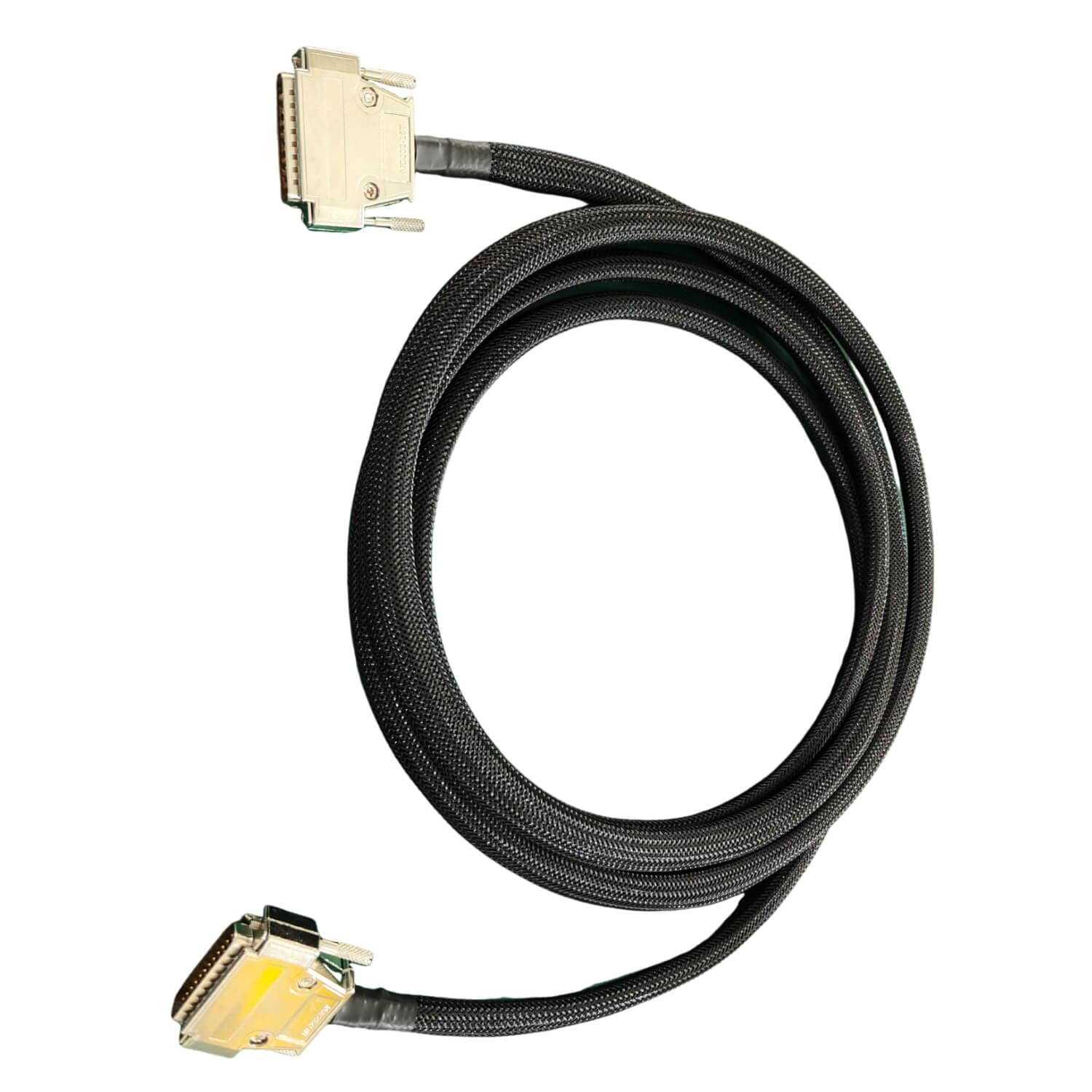
Designed Around the Failure Mode, Not a Marketing Label
Harsh-environment cable work starts with a practical question: what will actually damage the assembly in service? The answer may be water tracking through a connector backshell, vibration breaking strands near a clamp, salt attacking exposed plating, EMI from a VFD, or abrasion where the harness crosses a machine edge.
Our review connects the drawing to public technical references including the IEC 60529 IP code , the International Electrotechnical Commission , ISO 9001 quality systems , and IPC/WHMA-A-620 workmanship criteria. The output is a cable assembly specification that production can repeat, not a loose list of rugged parts.
A typical supplier-side scenario is a 35-unit pilot lot for outdoor industrial controls: M12 sensor leads, shielded multi-core cable, adhesive-lined branch protection, 360-degree shield termination, and 1,000 VDC insulation resistance checks. The pilot locks the protection stack before the buyer releases scheduled production, avoiding late material substitutions after field validation.
Good Fit When
- Your equipment works outdoors, near water, in dust, or on vibrating machinery.
- Field failures are intermittent and hard to reproduce on a bench test.
- The assembly needs sealing, shielding, strain relief, and documentation in one build.
- A prototype must prove routing and protection before production tooling is justified.
Environmental Risks We Design Around
The correct material stack depends on exposure, motion, installation space, service access, and test evidence. These are the checks we resolve before release.
Water, Dust, and Mud
Sealed connectors, adhesive-lined heat shrink, cable glands, boots, and overmolded exits help control ingress paths in outdoor, mining, agriculture, and washdown installations.
Heat, Cold, and UV
Cable jackets, wire insulation, labels, and protection sleeves are selected around the real temperature range and sun exposure instead of a generic outdoor rating.
Vibration and Abrasion
Branch geometry, strain relief, clamp zones, conduit, braid, and edge protection are reviewed so conductors are not forced to carry mechanical load.
EMI and Grounding
Foil, braid, drain wire, backshell, and 360-degree shield termination options are matched to the noise source, cable length, and grounding plan.
Salt, Oil, and Chemicals
Marine, transport, food equipment, and hydraulic systems often need corrosion-aware terminals, jacket compatibility review, and seal materials that do not swell or crack.
Release Evidence
Continuity, pinout, insulation resistance, hi-pot, pull-force sampling, dimensional checks, and inspection notes can be tied to the approved first article.
Capability Scope
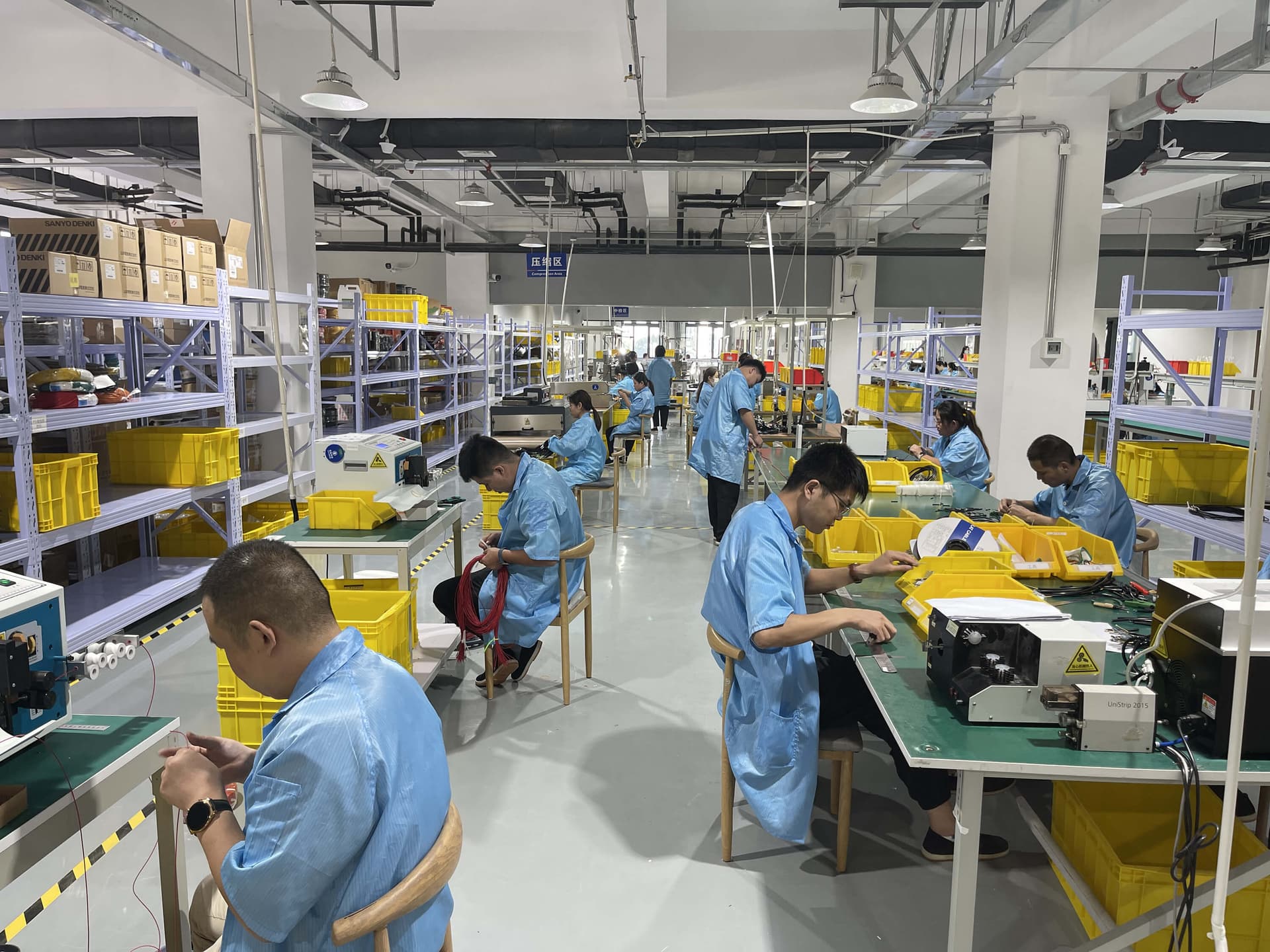
Transparent RFQ Notes
Prototype work typically starts at MOQ 1. Pilot lots commonly sit around 20-100 units. Special sealed connectors, molded tooling, unusual jacket materials, or customer-specific tests can add 1-4 weeks to normal lead time, so we flag those risks during quote review.
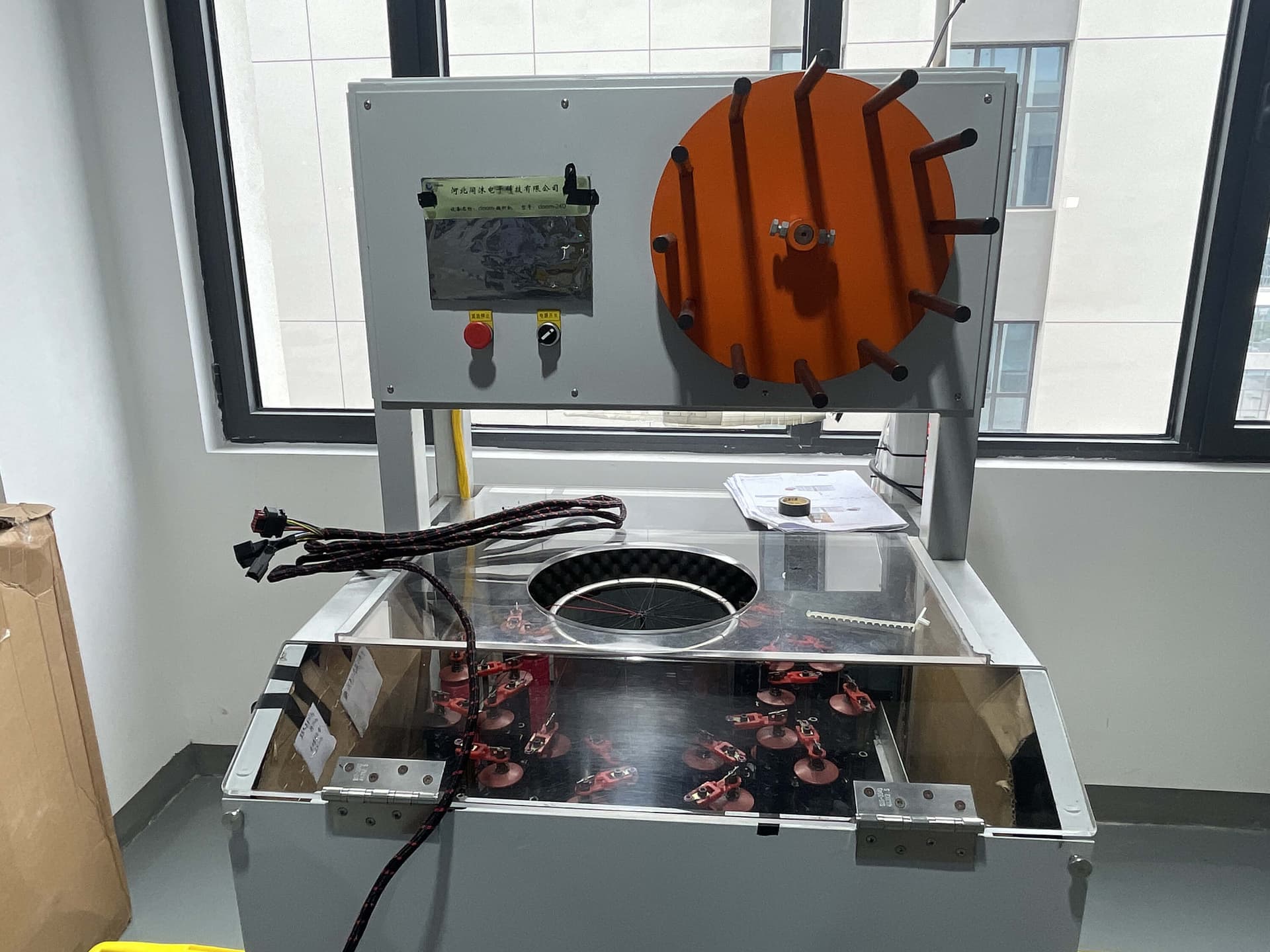
Trade-Offs Before First Article
Overmolding can deliver a clean sealed transition and strong strain relief, but it needs tooling and stable geometry. For low-volume validation, adhesive-lined heat shrink, boots, or potted backshells may be the faster way to prove routing before investing in molded tooling.
A higher IP target can increase connector size and mating force. A tougher jacket can reduce flexibility. A better shield can make termination harder in tight panels. We review these trade-offs before the drawing is frozen because the cheapest part choice often creates the most expensive field service problem.
Harsh environment design also has a documentation side. The factory needs a controlled sample, branch dimensions, strip lengths, crimp settings, sleeve positions, label callouts, and test limits so the approved build is not dependent on one operator remembering the prototype.
Standards Tied to Production Controls
Standards are useful only when they change the drawing, BOM, inspection plan, and shipment records.
IEC 60529
Used to define IP code expectations, but the rating only matters when the connector system, cable exit, and test method match the final installation.
IPC/WHMA-A-620
Used as the workmanship basis for crimping, solder-cup terminations, strain relief, labels, harness routing, and visual acceptance criteria.
ISO 9001
Supports controlled drawings, calibrated tools, incoming inspection, nonconformance handling, approved samples, and repeatable release records.
IATF 16949
Useful for automotive and mobile-equipment programs that need tighter control over special characteristics, traceability, change control, and production risk.
Protection Decision Matrix
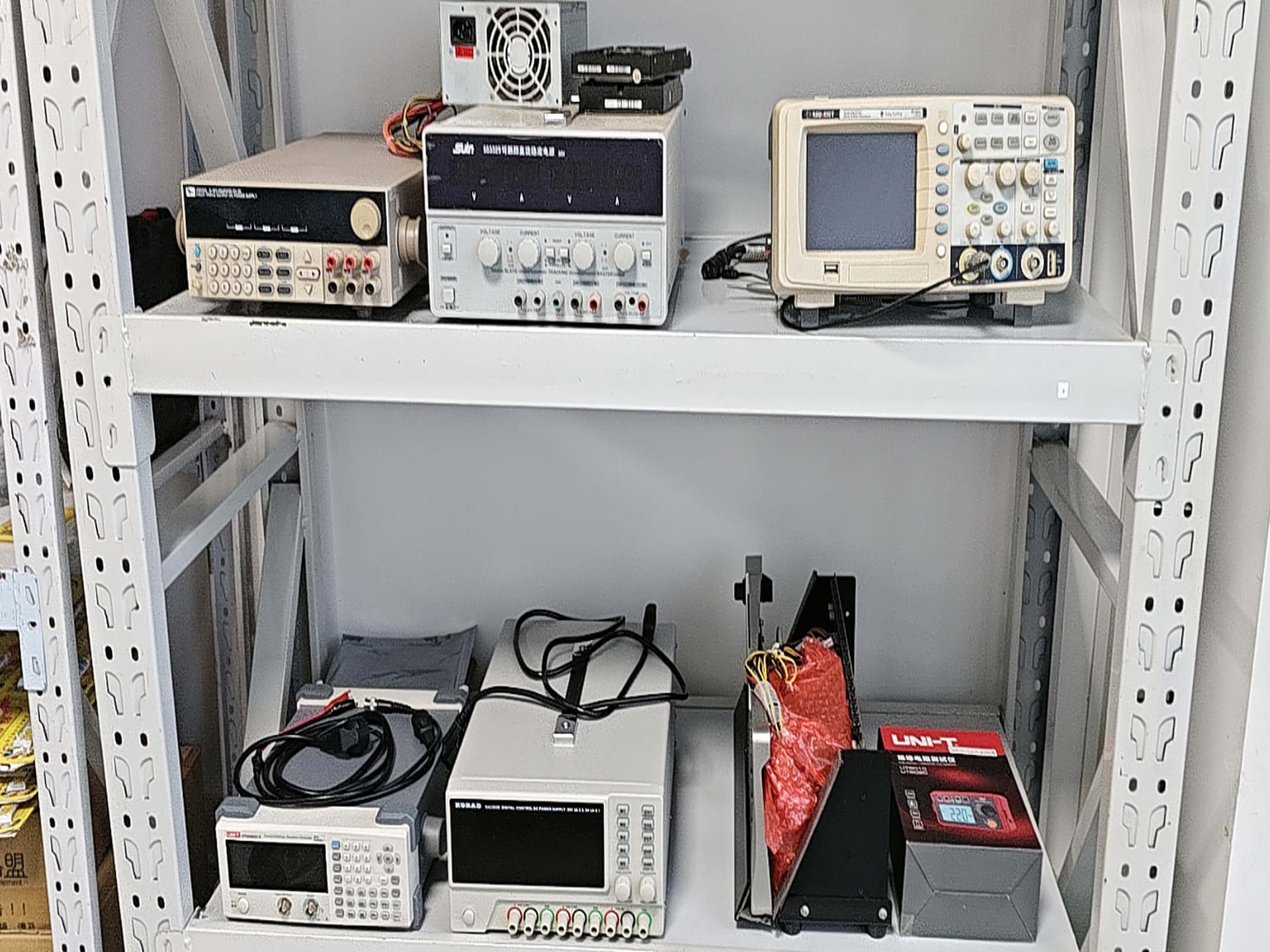
Production Process
A rugged build has to be repeatable after the first sample is approved. The process below keeps the environmental protection tied to controlled manufacturing steps.
Map the Installed Environment
We review where the cable sits, what moves, what touches it, and which exposure is most likely to cause failure: water ingress, dust, UV, vibration, abrasion, EMI, heat, chemical attack, or service handling.
Choose the Protection Stack
Engineering selects connector families, wire and cable jackets, sleeves, backshells, grommets, seals, labels, and strain relief as one system so the weak point is not hidden at the transition zone.
Build a First Article
Prototype or pilot units confirm routing, mating, bend radius, label durability, connector fit, terminal quality, and electrical test limits before production release.
Lock the Work Instructions
Approved samples, crimp settings, strip lengths, sleeve positions, branch dimensions, torque notes, and inspection points are recorded so repeat batches match the validated build.
Test and Release with Records
Finished assemblies receive electrical verification and agreed inspection evidence before packing, with traceability available for receiving inspection and field service teams.
Common Applications
We support equipment builders that need cable assemblies to survive the installation, not only pass a bench test before shipment.
Mining and Mobile Plant
Harnesses for loaders, drilling rigs, pumps, conveyors, and service vehicles that face dust, vibration, washdown, and remote maintenance constraints.
Marine and Coastal Equipment
Salt-aware cable assemblies for vessels, docks, sensors, control boxes, and offshore equipment where corrosion and moisture tracking are common failure modes.
Transport and Rail Systems
Rugged cable sets for vehicle subsystems, rolling stock accessories, signalling hardware, and exposed route sections that need vibration and routing control.
Industrial Automation
Shielded and sealed assemblies for motors, VFDs, encoders, sensors, robotics cells, washdown equipment, and factory machinery.
Energy and Outdoor Controls
Cable assemblies for battery systems, solar support equipment, field sensors, weather-exposed cabinets, and distributed power hardware.
Agriculture and Cleaning Equipment
Protected harnesses for mud, water, chemicals, repeated flexing, pressure wash, and seasonal maintenance cycles.
How a typical harsh environment cable solutions program runs with us
This is an illustrative description of a representative project type, not a specific customer engagement. As a contract assembler we do not publish customer-identifiable data.
Buyer FAQ
What makes a cable assembly suitable for a harsh environment?
A harsh-environment cable assembly is designed around the actual exposure path. The connector seal, cable jacket, strain relief, shield termination, branch protection, label material, routing, and test plan all have to work together. A single waterproof component does not make the full assembly suitable for mining, marine, washdown, or mobile equipment.
Do I need IP67, IP68, or IP69K?
The right IP target depends on the failure mode. IP67 is commonly used for dust and temporary immersion, IP68 is used when longer immersion is defined, and IP69K is usually considered for high-pressure washdown. We check whether the selected connector, cable exit, mating part, and installation geometry can realistically support the target before quoting.
When should I choose overmolding instead of heat shrink or potting?
Overmolding is a good fit when the connector exit sees repeated flex, water, abrasion, or handling and when production volume justifies tooling. Heat shrink is faster and lower cost for prototypes or protected routes. Potting can seal cavities for low-volume builds, but it can complicate repair and may not control bend stress as well as a designed overmold.
Can you build from a sample or damaged field cable?
Yes. We can reverse-review a sample, field photo, or failed assembly, then create a controlled drawing, BOM, wiring table, and test plan. For failure replacement work, we pay close attention to the original weak point rather than simply copying the same protection stack.
What testing is normally included?
Every production lot can receive 100% continuity and pinout verification. Depending on risk, we add insulation resistance, hi-pot, shield continuity, contact resistance, pull-force sampling, terminal retention checks, dimensional inspection, and customer-specific functional testing.
What information helps you quote quickly?
Send the drawing or sample, connector part numbers, wire or cable specification, length, circuit count, current and voltage, expected environment, IP target if known, annual quantity, and required test records. Photos of the installed route are especially useful for harsh-environment builds.
Related Capabilities
Waterproof Wire Harness
Sealed connector systems, breakouts, and validation for moisture-exposed harnesses.
Overmolded Cable Assembly
Molded strain relief and sealed connector transitions for rugged cable assemblies.
Shielded Cable Assembly
Foil, braid, hybrid shield, and grounding options for EMI-sensitive equipment.
Testing & Quality Control
Continuity, hi-pot, insulation resistance, pull-force, and release documentation.
Need a Cable Assembly That Survives the Installation?
Send your drawing, sample, field photos, or failure notes. We will review the route, environment, connector system, protection stack, and test plan before quoting.