
Waterproof Wire Harness Manufacturer for Harsh Australian Environments
Custom waterproof wire harnesses for mining, marine, transport, agriculture, cleaning equipment, and outdoor industrial systems that need sealed connectors, stable transition-zone protection, and repeatable validation before release.
Why Waterproof Harness Design Fails So Often
Many harnesses are described as waterproof when they really mean splash-resistant or loosely protected. The failure usually is not dramatic at first. It shows up as hidden corrosion, intermittent sensor faults, insulation drift, or a connector that works in the lab and fails after months of vibration and moisture.
In most cases, the problem is not the wire itself. It is the transition detail: the wrong seal range, an unprotected breakout, inadequate strain relief, mismatched connector parts, or an IP target that was never tied to the real installation environment.
A waterproof wire harness needs to be defined as a system. That means matching materials, geometry, workmanship, and testing to the place where the assembly actually lives, whether that is under a vehicle, on a mine site, inside a washdown machine, or exposed to salt spray at sea.
What We Control on Waterproof Harness Programs
The goal is not adding more material everywhere. It is controlling the exact places where moisture, dust, and mechanical stress turn a good electrical design into an unreliable field assembly.
Sealing System, Not a Single Part
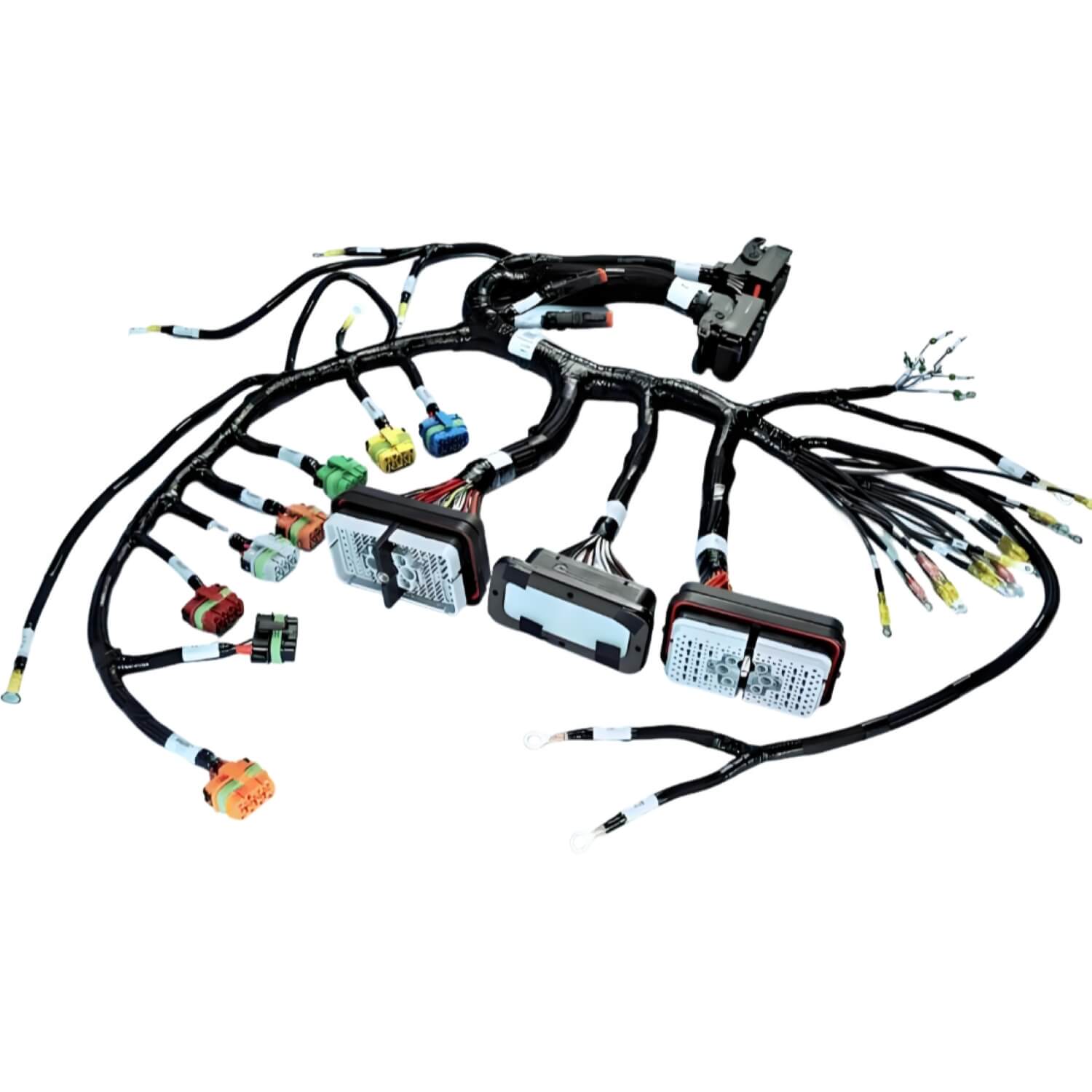
A waterproof harness depends on the full stack working together: connector seals, backshell or overmold design, breakout protection, strain relief, and correct material selection.
Protection Matched to Real Exposure
Dust, splash, immersion, salt spray, oils, and washdown each create different failure modes. We define the harness around the actual environment instead of using a generic “waterproof” label.
Controlled Transition Zones
Most ingress problems start where the cable exits the connector or at branch breakouts. Those areas need proper sealing geometry and strain management, not just a cosmetic finish.
Validation Beyond Continuity
An assembly can pass electrical test on the bench and still fail later from moisture migration. Waterproof programs need clear workmanship, sealing, and test criteria before release.
Prototype-to-Production Consistency
Once the approved sealing method is defined, the same connector family, materials, and release notes can carry into repeat supply without hidden substitutions.
Built for Harsh Australian Sites
We support waterproof harness builds used in mining, marine, transport, agriculture, and outdoor industrial equipment where downtime and corrosion risk are expensive.
Waterproof Harness Technical Scope
| Typical Protection Target | IP67, IP68, or application-specific washdown sealing depending on connector system, routing, and enclosure interface |
| Common Materials | Sealed connector families, adhesive-lined heat shrink, conduit, braided sleeve, grommets, boots, cable glands, and optional overmolding |
| Supported Wire Types | Discrete wire, multi-core cable, shielded cable, sensor cable, power cable, and mixed-signal harness constructions |
| Connector Families | Deutsch-style sealed systems, TE Connectivity, Amphenol, Molex, JST, circular connectors, M12, and customer-specified waterproof interfaces |
| Environment Focus | Dust, mud, humidity, splash, temporary immersion, salt exposure, oil, coolant, vibration, UV, and outdoor temperature cycling |
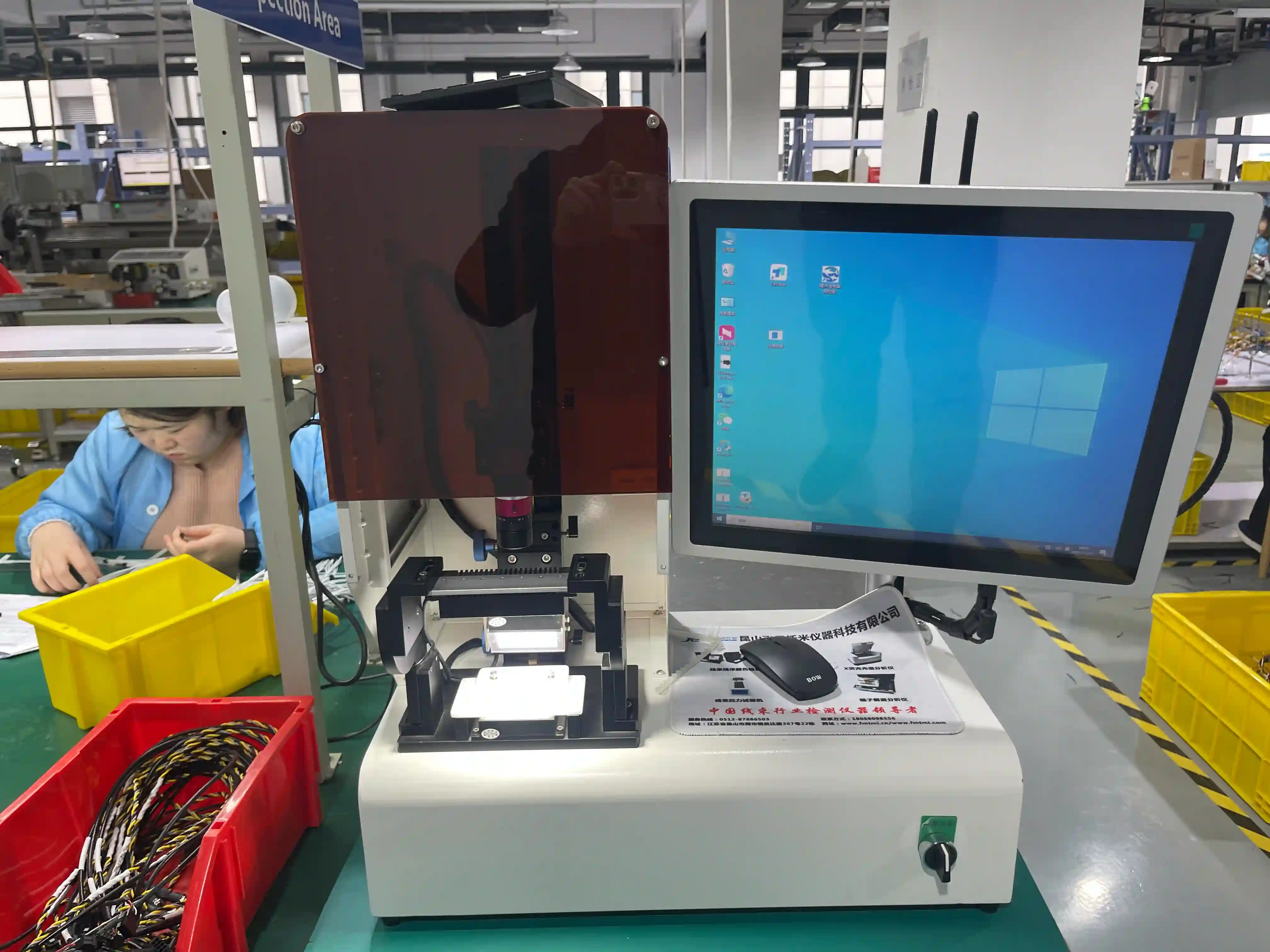
| Validation | 100% continuity and pinout checks with optional insulation resistance, hi-pot, seal inspection, retention, dimensional verification, and customer-specific functional tests |
| Quality Basis | ISO 9001 manufacturing systems with revision-controlled BOMs, approved first articles, and traceable release criteria |
| Order Profile | MOQ 1 prototype through repeat OEM production, with typical prototype timing of 2-3 weeks when materials are available |
Authority and Specification References
Waterproof harness specifications should use stable public references where possible, including the IP code system for ingress-protection terminology and UL background when product safety language affects connector and cable selection.
For quality-system context, public references such as IATF 16949 and ISO 9000 help keep release expectations clear for buyer teams comparing suppliers.
Within this site, the most useful related pages are our overmolding capability, the IP67/IP68/IP69K guide, and the sealed connectors guide.
Typical Waterproofing Control Stack
Waterproof harness reliability usually comes from disciplined decisions at a few high-risk points rather than from a single premium material.
Sealed Connector Selection
The connector family has to match the environment and mating cycle. Using the wrong sealed connector or mixing incompatible seals is one of the fastest ways to create field failures.
Breakout and Branch Protection
Branch transitions are a common ingress path. We define where heat shrink, boots, overmolding, or additional sleeves are needed so water does not track into the harness body.
Strain Relief and Bend Control
A seal can fail even when the material is correct if the cable flexes sharply at the connector exit. Mechanical support has to be designed into the waterproofing method.
Testing and Release Notes
Waterproofing is only repeatable when the sample, materials, workmanship expectations, and inspection criteria are clearly documented before production release.
Applications That Commonly Need Waterproof Harnesses
These are the programs where ingress protection and harsh-environment reliability are usually worth specifying up front.
Mining and Mobile Equipment
Dust, vibration, washdown, and fluid exposure make sealed connectors, abrasion protection, and dependable strain relief essential on mining harness programs.
Marine and Offshore Systems
Salt exposure and persistent moisture demand corrosion-aware material choices, sealed interfaces, and release criteria that do not rely on visual appearance alone.
Agriculture and Outdoor Machinery
Field equipment sees mud, spray, sunlight, and maintenance pressure-wash cycles. Waterproof harnesses reduce intermittent faults and cut service time in remote locations.
Industrial Cleaning and Washdown Equipment
When assemblies face water, chemicals, and repeated cleaning, the harness has to hold both electrical integrity and mechanical sealing through the service cycle.
Automotive and Transport Subsystems
Body, chassis, trailer, and under-vehicle harnesses often need sealed terminals and defined breakout protection to survive road spray, debris, and temperature change.
Remote Sensors and Outdoor Controls
External sensor harnesses and control leads benefit from waterproof design when access is difficult and a small ingress issue can create costly false faults or shutdowns.
Prototype-to-Production Release Process
Application and Failure Review
We review the installation environment, expected IP level, mechanical movement, and known field failures before defining the sealing approach.
Connector and Material Definition
The harness stack is selected around the real ingress path: connector family, wire seal range, cable jacket, branch protection, strain relief, and optional overmolding.
Prototype or First-Article Build
Initial samples are built and checked for fit, mating, routing, and the agreed electrical and sealing requirements before the build package is locked.
Controlled Production Release
Approved materials, revision-controlled instructions, and in-process checks are used so repeat lots stay consistent with the validated sample.
Electrical Test and Final Audit
Finished harnesses are verified to the agreed release criteria, then packed for incoming inspection, installation, or scheduled repeat supply.
Related Capability and Research Pages
Waterproof harness programs usually benefit from clear internal alignment between sealing design, connector selection, and validation before production release.
Overmolded Cable Assembly
See where overmolding is the right answer for waterproofing, strain relief, and transition-zone protection.
Wire Harness Testing Guide
Review the electrical and quality checks that support harsh-environment harness release.
IP67 vs IP68 vs IP69K
Use the right sealing target instead of defaulting to the highest number without context.
Sealed Connectors Guide
Compare connector sealing concepts, interface risks, and specification points for harsh-duty harnesses.
How a typical waterproof wire harness program runs with us
This is an illustrative description of a representative project type, not a specific customer engagement. As a contract assembler we do not publish customer-identifiable data.
Waterproof Wire Harness FAQ
Buyer-side questions usually focus on the difference between nominal protection and a harness that will actually survive the field environment.
A genuinely waterproof wire harness uses a sealing system, not a single material. That usually means sealed connector interfaces, correct wire seals, controlled breakout protection, strain relief, and a validated test plan aligned to the actual exposure level. Heat shrink alone is rarely enough if the assembly will see immersion, washdown, or persistent moisture.
Need a Waterproof Harness That Matches the Real Environment?
Send the drawing, sample, connector list, target IP level, and application notes. We can review the sealing stack, identify likely ingress risks, and quote a prototype or repeat-production waterproof harness for your program.