
Shielded Cable Assembly Manufacturer Australia
Custom shielded cable assemblies for industrial controls, telecom hardware, medical equipment, transport systems, and noise-sensitive electronics. We support prototypes, first articles, and repeat supply with controlled shield termination and documented test coverage.
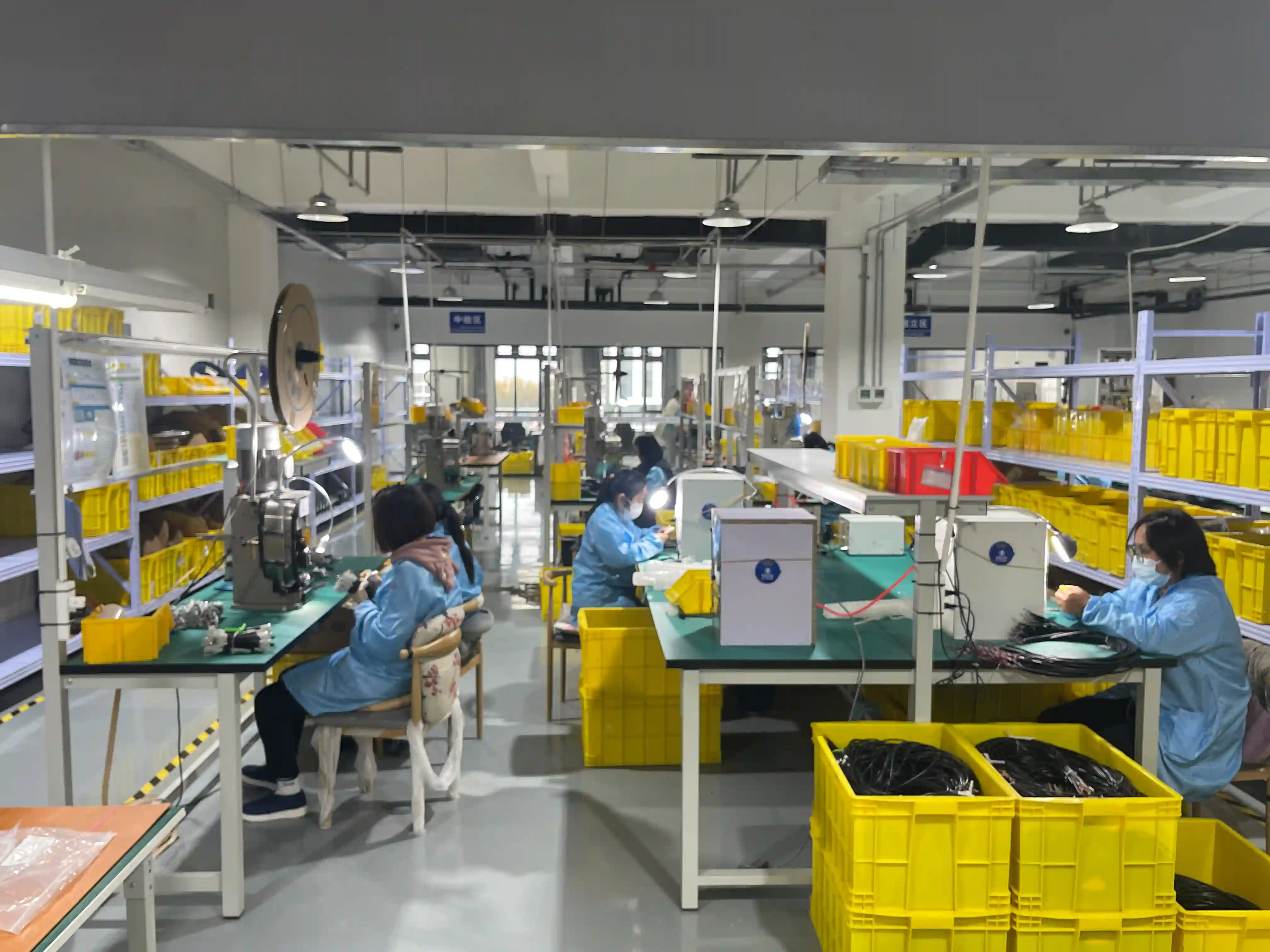
What buyers usually need from a shielded cable assembly supplier
A shielded cable assembly is not just a standard cable with an extra layer added. The finished result depends on the cable construction, the connector shell or backshell, the chosen grounding method, and how the assembly is installed inside the equipment.
The shielding itself exists to control interference and preserve signal quality. Public references on shielded cable, electromagnetic interference, and ISO 9000 quality management are useful because they explain why controlled cable design and repeatable manufacturing matter more than a simple pass-fail continuity check.
In practice, technical buyers want a supplier who can turn that intent into a repeatable part number: the right cable, the right termination method, the right labels and protection stack, and the right tests so later orders stay aligned with the validated sample.
Technical scope
Why buyers choose a custom shielded cable assembly
This page is for commercial cable builds where EMI control, connector choice, route geometry, and repeatability all need to be defined.
Shield Strategy Defined Before Production
A shielded cable only works as intended when the cable construction, termination method, and grounding concept are defined together instead of left to operator interpretation.
Foil, Braid, and Hybrid Constructions
We support foil shields for coverage, braid for mechanical durability, and layered foil-plus-braid builds where EMI risk and handling conditions justify the added complexity.
Built for Real EMI Environments
Shielded assemblies are commonly needed near drives, motors, radios, sensors, medical electronics, and dense equipment cabinets where noise control affects reliability and troubleshooting time.
Prototype to Repeat Supply
MOQ 1 prototypes, first articles, pilot lots, and scheduled production stay under one controlled build definition so the approved sample does not drift on later reorders.
Verification Beyond Continuity
Release plans can include shield continuity, insulation resistance, hi-pot, drain-wire checks, label verification, dimensional review, and application-specific validation where required.
Commercial Fit for OEM Buyers
This capability suits OEMs and technical procurement teams that need custom lengths, mixed connectors, rugged protection, and a documented cable build rather than a catalog lead.
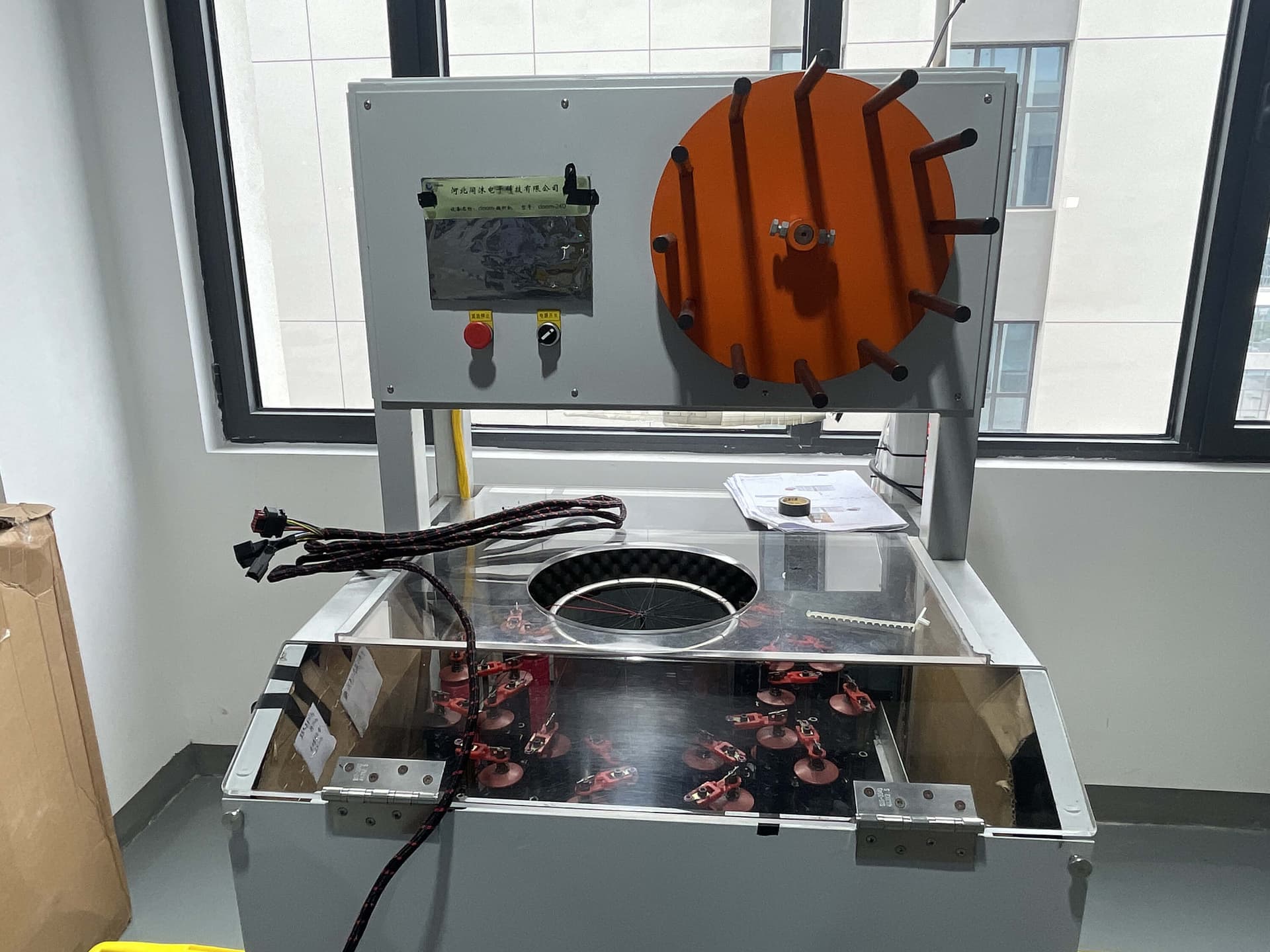
Typical applications for shielded cable assemblies
Industrial Automation and Drives
Servo systems, encoders, sensors, VFD-driven equipment, and PLC-linked controls often need shielded cables to reduce noise pickup and keep commissioning predictable.
Medical and Diagnostic Equipment
Noise-sensitive devices, imaging support hardware, and patient-adjacent electronics benefit from controlled shielding, repeatable routing, and traceable cable builds.
Telecom and Network Hardware
Cabinet assemblies, communications equipment, and edge devices often require shielded data and control cables that fit specific connector, grounding, and enclosure requirements.
Transport, Rail, and Mobile Equipment
Vehicles and rolling stock combine vibration, long cable routes, and electrical noise sources that make shield integrity and strain control important in production builds.
Instrumentation and Test Systems
Bench and field instrumentation cables need repeatable shielding and documented pinout control so the interconnect does not become the hidden cause of unstable results.
Legacy Replacement and Supplier Transfer
Imported or obsolete shielded cables can be rebuilt from samples, drawings, or field photos when the original source is no longer reliable or available.
Typical shielded cable assembly workflow
Review the Noise and Grounding Requirement
We start with the actual application: what signal the cable carries, where it routes, what noise sources are nearby, how the shield should terminate, and which end should bond into the enclosure or system ground.
Define Cable, Connector, and Shield Termination
The BOM is aligned around the cable family, connector bodies, backshells, drain treatment, labels, and any sealing or strain-relief features needed for production.
Build a Prototype or First Article
Initial assemblies are produced for fit, routing, and electrical validation so the shield concept is proven before the part enters regular purchasing.
Release Controlled Production
Approved work instructions, measurement points, and test criteria are locked into a repeatable build package for pilot lots, volume orders, and service spares.
Verify Before Shipment
Finished cable assemblies are checked against the agreed electrical and physical criteria so incoming teams receive a defined product rather than a visually similar substitute.
Specification checklist before RFQ
- State whether the shield should be bonded at one end, both ends, or isolated at one end. The shield strategy is part of the design, not a cosmetic feature.
- Define whether the shield termination is a 360-degree enclosure bond, a drain-wire termination, or a pigtail approach so the cable can be built consistently.
- Call out the noisy devices near the route, such as drives, motors, relays, radios, or switching power hardware, because those conditions influence the cable recommendation.
- Freeze connector shell material, backshell style, and strain-relief method before approving the first article. These details change both EMI performance and field durability.
- If the cable mixes power and signal circuits, specify separation, shield layers, and grounding intent clearly to avoid lookalike assemblies that behave differently in service.
- Align the required tests to the real risk: continuity alone may not be enough when shield continuity, insulation resistance, or enclosure bonding are central to the design intent.
Related pages if your program overlaps industrial networking, VFD noise control, or shield selection:
How a typical shielded cable assembly manufacturer program runs with us
This is an illustrative description of a representative project type, not a specific customer engagement. As a contract assembler we do not publish customer-identifiable data.
Shielded Cable Assembly FAQs
Common questions from engineers and procurement teams sourcing EMI-controlled cable builds.
What is a shielded cable assembly?
A shielded cable assembly is a terminated cable build that uses a conductive screen such as foil, braid, or a combined shield to reduce electromagnetic interference and preserve signal stability. The shield has to be terminated correctly at the connector or backshell, otherwise the assembly may look right but still perform poorly in the field.
When should I choose a shielded cable instead of an unshielded one?
Shielded cable assemblies are usually chosen when the cable runs near motors, drives, relays, radios, switch-mode power hardware, or other sources of electrical noise, or when the signal itself is sensitive to interference. They are also common where EMC performance, low-noise measurement, or stable communications matter more than the lowest cable cost.
Do all shielded cable assemblies use the same shield construction?
No. Some applications use foil for high coverage, others use braid for better mechanical durability, and some need both. The right choice depends on frequency range, flex requirements, bend space, grounding approach, and the connector system. A foil-plus-braid build is not automatically better if the termination or enclosure bonding is wrong.
Can you manufacture shielded cable assemblies from a sample or incomplete drawing?
Yes. Many programs start from a field sample, a cabinet photo, a rough wiring table, or a cable that has no full production drawing. We can help define the missing details around cable construction, connector orientation, shield termination, labels, and test scope so the cable becomes a repeatable part number.
What testing do you perform on shielded cable assemblies?
Baseline release usually includes 100% continuity and pinout verification. Depending on the application, we can add shield continuity, insulation resistance, hi-pot, dimensional checks, label verification, and first-article evidence. The correct stack depends on whether the cable is carrying low-level signals, power plus signal, network traffic, or other application-specific circuits.
Can shielded cable assemblies still be cost-effective for low volumes?
Yes. Low-volume builds are common when a buyer needs a non-standard length, mixed connector ends, a specific shield terminations strategy, or a ruggedized cable that does not exist as a catalog part. The goal is to define only the shielding and protection features that materially reduce field risk rather than overbuilding the assembly.
Related capabilities and technical resources
These links help buyers narrow shield strategy, connector choice, and adjacent manufacturing requirements.
Control Cable Assembly
Broader control-cable manufacturing for machine wiring, PLC systems, sensors, and mixed signal routes.
VFD Cable Assembly
Shielded drive-to-motor assemblies where EMI, grounding, and rugged installation matter.
RJ45 Cable Assembly
Shielded and unshielded Ethernet assemblies for telecom, industrial networking, and PoE applications.
Overmolding
Sealed exits, strain relief, and ruggedized connector protection for demanding cable assemblies.
Braided vs Foil Shield EMI Guide
Technical guidance on choosing braid, foil, or combination shielding before locking the cable design.
EMC and EMI Best Practices
Background on grounding, routing, shielding, and system-level EMI control for equipment programs.
Need a shielded cable assembly that matches your actual installation?
Send the cable function, connector details, length, environment, and grounding intent. We can help convert a sample or draft drawing into a production-ready shielded cable assembly.