
UL CSA Certified Cable Assembly Without Certification Surprises
Australian OEMs use our UL/CSA-ready cable assembly service when export equipment needs recognized materials, documented test release, and a supplier who separates real certification requirements from generic quality claims.
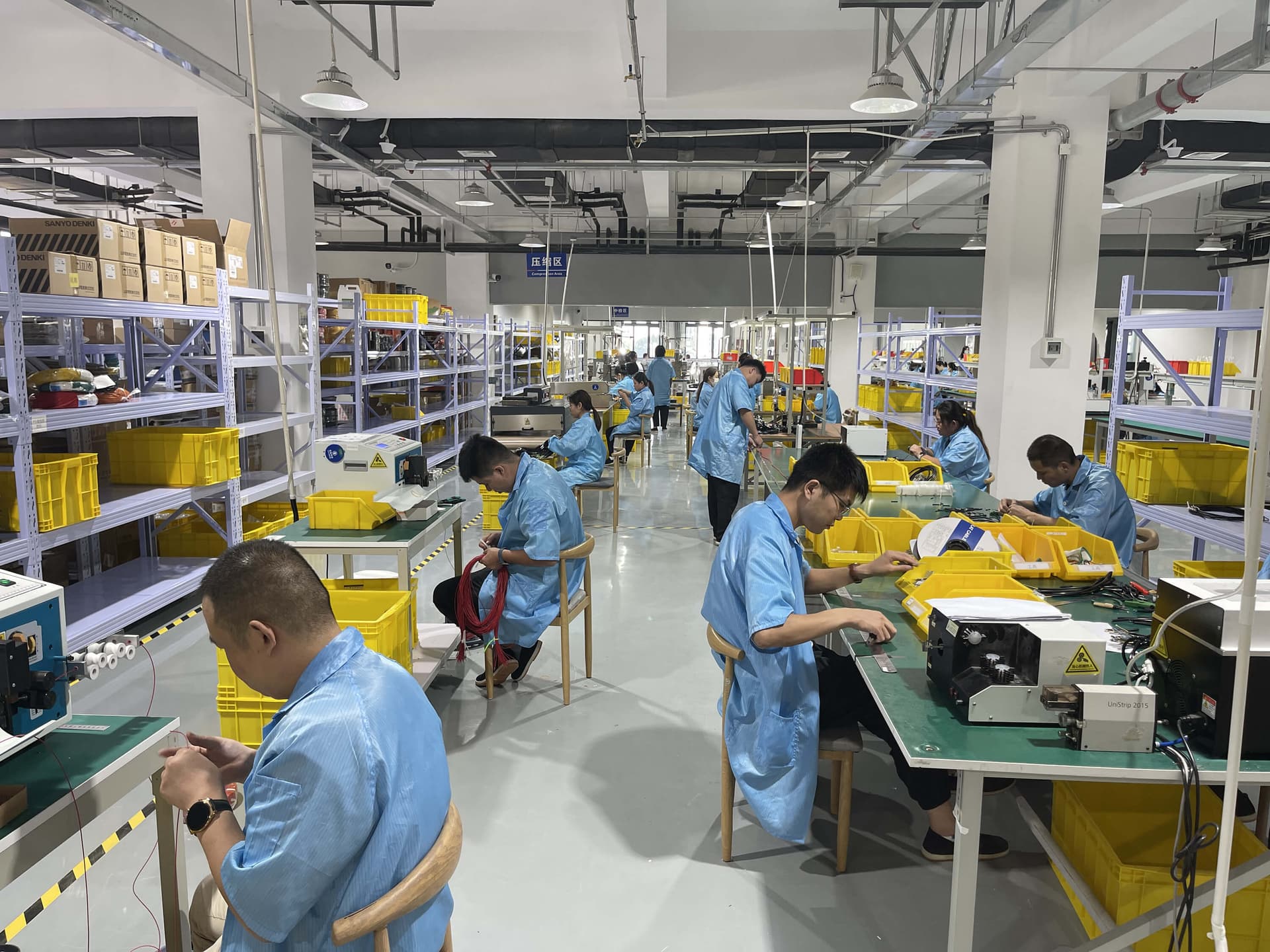
What We Mean by UL/CSA-Ready Cable Assembly
UL/CSA-ready cable assembly means the wire style, insulation rating, connector system, protection materials, labels, test plan, and release records are controlled before production begins. A buyer sourcing export equipment should not discover after first article approval that a heat shrink, connector, or wire substitution breaks the compliance file.
Our engineers review the assembly against standards and public references including UL safety certification, CSA Group certification, IPC/WHMA-A-620 workmanship, and the customer's own equipment file. The practical goal is simple: a finished cable assembly that matches the drawing, passes electrical test, and carries the documentation your compliance team expects.
A typical factory scenario is a 250-unit pilot run for mains-powered industrial equipment. The design team specifies UL 758 wire, 105°C insulation, marked conductors, ferrules, and a 1,500 VDC hi-pot test. We hold the approved sample, lock the BOM revision, and ship the pilot with test records and certificate of conformance so production purchasing can repeat the same build.
Buyer Fit
- You sell equipment into North America or dual-market export channels.
- Your drawing calls out UL style wire, CSA cable, or a customer certification file.
- Your receiving team needs test records and material traceability, not only visual inspection.
- Your current supplier substitutes materials without compliance review.
Standards Mapped to Real Build Controls
Standards only help when they change the BOM, tooling, inspection, and shipment records. We translate compliance language into production checks the factory can repeat.
UL 758
Used when appliance wiring material, insulation rating, flame rating, and recognized component selection need to be controlled in the assembly BOM.
CSA C22.2
Applied when Canadian-market electrical equipment requires CSA-compatible wire, connector, marking, and documentation decisions.
IPC/WHMA-A-620
Used as the workmanship basis for crimping, soldered connector cups, strain relief, harness routing, labels, and final acceptance criteria.
ISO 9001
Supports revision control, incoming inspection, calibration records, approved samples, nonconformance handling, and repeat production traceability.
Capability Scope and Limits
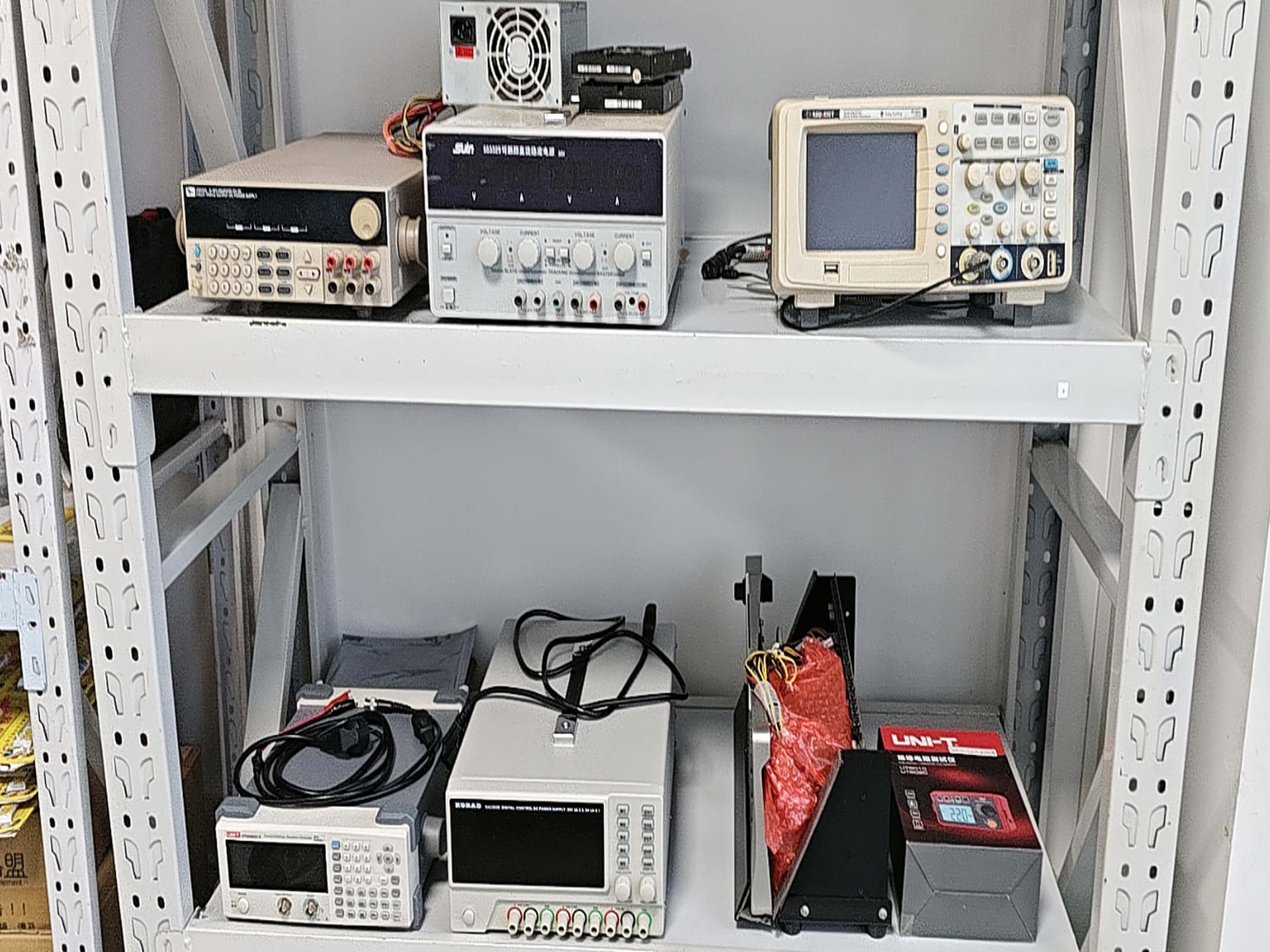
Important Certification Boundary
We can manufacture with certified or recognized components and provide release documentation. We do not replace the role of UL, CSA, a nationally recognized test lab, or the brand owner's finished product certification file.

Trade-Offs We Resolve Before First Article
A certified wire style can still be the wrong production choice if the insulation diameter does not fit the selected terminal barrel. We check conductor gauge, strand class, insulation support, pull-force target, connector cavity, and strip length together before a crimp spec is released.
Higher flame rating or temperature rating can reduce flexibility and increase cable diameter. For low-MOQ pilot runs, we may recommend an approved alternate wire family that keeps the compliance target while avoiding a custom material lead time that delays validation by several weeks.
Hi-pot testing gives useful dielectric evidence, but it does not prove crimp retention, seal compression, or label durability. Certified cable programs work best when electrical tests, mechanical checks, and material traceability are specified as one release package.
RFQ Checklist for Certified Cable Builds
A clear RFQ prevents late substitutions, missing labels, and test-plan gaps after your equipment certification review has already started.
State the destination market because UL-only, CSA-only, cUL, and dual-rated requirements change the material and marking review.
Provide required wire style, voltage, temperature, flame rating, connector part numbers, and label text before first article approval.
Separate recognized component use from finished product certification. A cable assembly can use UL-recognized wire without automatically carrying a finished product mark.
Specify hi-pot voltage, insulation resistance limits, and sampling rules in the RFQ when the assembly is part of mains-connected equipment.
Confirm whether the assembly needs a certificate of conformance, lot traceability, material declarations, or production test data with each shipment.
Identify fluids, abrasion, outdoor exposure, and flexing early so certified material selection is not only electrically compliant but serviceable in the final equipment.
Production Release Process
Compliance-ready assemblies need a disciplined release path, especially when a small prototype will become a repeat export part.
Confirm the Compliance Target
The first review separates a real UL/CSA marking requirement from a material-recognition requirement, because the BOM, test plan, label content, and approval path are different.
Lock the Wire, Connector, and Marking BOM
Engineering checks wire style, insulation rating, conductor gauge, flame rating, connector family, heat shrink, sleeving, and label durability before the quote becomes a released build.
Build a First Article for Approval
Prototype units confirm length, termination quality, label placement, mating fit, pull-force behavior, and electrical test limits before pilot or production purchasing.
Release Controlled Production
Operators build against revision-controlled work instructions, cavity maps, crimp settings, approved samples, and inspection plans matched to the assembly risk.
Test and Package with Records
Finished assemblies receive electrical verification and inspection evidence so receiving teams can connect the shipment to the approved drawing and purchase specification.
Applications for UL/CSA-Ready Cable Assemblies
This service is strongest where electrical compliance, repeat manufacturing, and procurement documentation must line up before the equipment ships.
Export Equipment Cable Sets
Cable assemblies for Australian OEM equipment shipped into North American channels where material ratings and documentation are checked during customer audits.
Industrial Control Harnesses
Panel, skid, machine, and sensor wiring that needs controlled terminations, marked conductors, and test evidence before installation.
Appliance and Equipment Wiring
Internal wiring sets built around UL-recognized appliance wire styles, flame-rated protection, and clear revision control for repeat supply.
Power and Signal Cable Assemblies
Mixed power, signal, and shielded cable builds where voltage rating, insulation selection, and connector retention must be defined before production.
Pilot Runs Before Certification Testing
First articles and low-volume batches that let engineering teams validate fit, function, test limits, and documentation before external certification review.
Replacement Assemblies for Listed Equipment
Controlled rebuilds for service parts where connector availability, wire markings, and drawing changes need review before substitution is accepted.
How a typical ul csa certified cable assembly program runs with us
This is an illustrative description of a representative project type, not a specific customer engagement. As a contract assembler we do not publish customer-identifiable data.
FAQ
Buyer questions we see before UL/CSA-ready cable assembly quotes are released.
Can you manufacture UL and CSA certified cable assemblies?▼
Yes, we manufacture cable assemblies using UL-recognized and CSA-compatible materials when the drawing, BOM, or destination market requires them. The build can include UL 758 wire styles, CSA-rated cable, IPC/WHMA-A-620 workmanship inspection, 100% continuity testing, and documented release records. Finished product listing or authorization to apply a certification mark must still follow the applicable certification body process.
What is the difference between UL-recognized components and a UL-listed cable assembly?▼
UL-recognized components are materials or parts evaluated for use inside a larger product, such as wire, tubing, or connectors. A UL-listed cable assembly is a finished product evaluated for a specific end use. Many OEM harness projects need recognized materials and traceable records, while regulated equipment may also need final listing by the brand owner, test lab, or certification body.
What information should an RFQ include for a UL/CSA cable assembly?▼
A useful RFQ includes the drawing, wire gauge, UL style or CSA cable type, voltage rating, temperature rating, connector part numbers, finished lengths, label text, annual quantity, and test requirements. If the assembly connects to mains power, include hi-pot voltage, insulation resistance limits, and any customer audit requirements so the quote reflects the real approval path.
Do certified materials increase lead time or cost?▼
Certified material requirements can increase lead time by 1-3 weeks when a specific UL wire style, CSA cable, or approved connector is not stocked. Cost also changes when flame rating, temperature rating, shielding, or documentation requirements are higher than a commercial build. We flag long-lead parts during quoting and can suggest equivalent approved alternates when substitution is allowed.
How do you test UL/CSA-ready cable assemblies before shipment?▼
Every released assembly can receive 100% continuity and pinout testing, with insulation resistance and hi-pot testing added when the specification requires dielectric verification. Mechanical controls can include pull-force sampling, crimp-height checks, and visual inspection to IPC/WHMA-A-620. Shipment records can include test data, certificate of conformance, material traceability, and first-article notes.
Can you support both prototypes and production for certified cable programs?▼
Yes, prototype support starts from MOQ 1 and pilot runs commonly begin at 20-100 units depending on material availability. Prototype builds are useful for confirming connector fit, label durability, dielectric test limits, and certification-document gaps before a larger production release. Production orders then use the approved BOM, work instructions, and test plan to prevent drift.
Related Capabilities
Cable Assembly
Custom cable builds for power, signal, data, and mixed connector programs.
Testing & Quality Control
Continuity, hi-pot, insulation resistance, pull-force, and inspection records.
Terminal Crimping Service
Controlled crimps, ferrules, lugs, and connector contacts for repeatable production.
Engineering Drawing Review
BOM, pinout, label, material, and test-plan review before release.
Useful Technical Resources
Author Credentials
Content reviewed by our cable assembly team, drawing on 15+ years of wire harness manufacturing, export documentation, crimp process control, and supplier-side support for automotive, industrial, medical, and equipment OEMs.
Need a UL/CSA Cable Assembly Quote?
Send the drawing, BOM, destination market, required wire style, and test notes. Our Melbourne team will review compliance risks before the first article is built.