
Terminal Crimping Service Australia
Custom terminal crimping for wire harnesses and cable assemblies that need controlled tooling, test-backed release, and repeatable prototype-to-production supply across Australia.
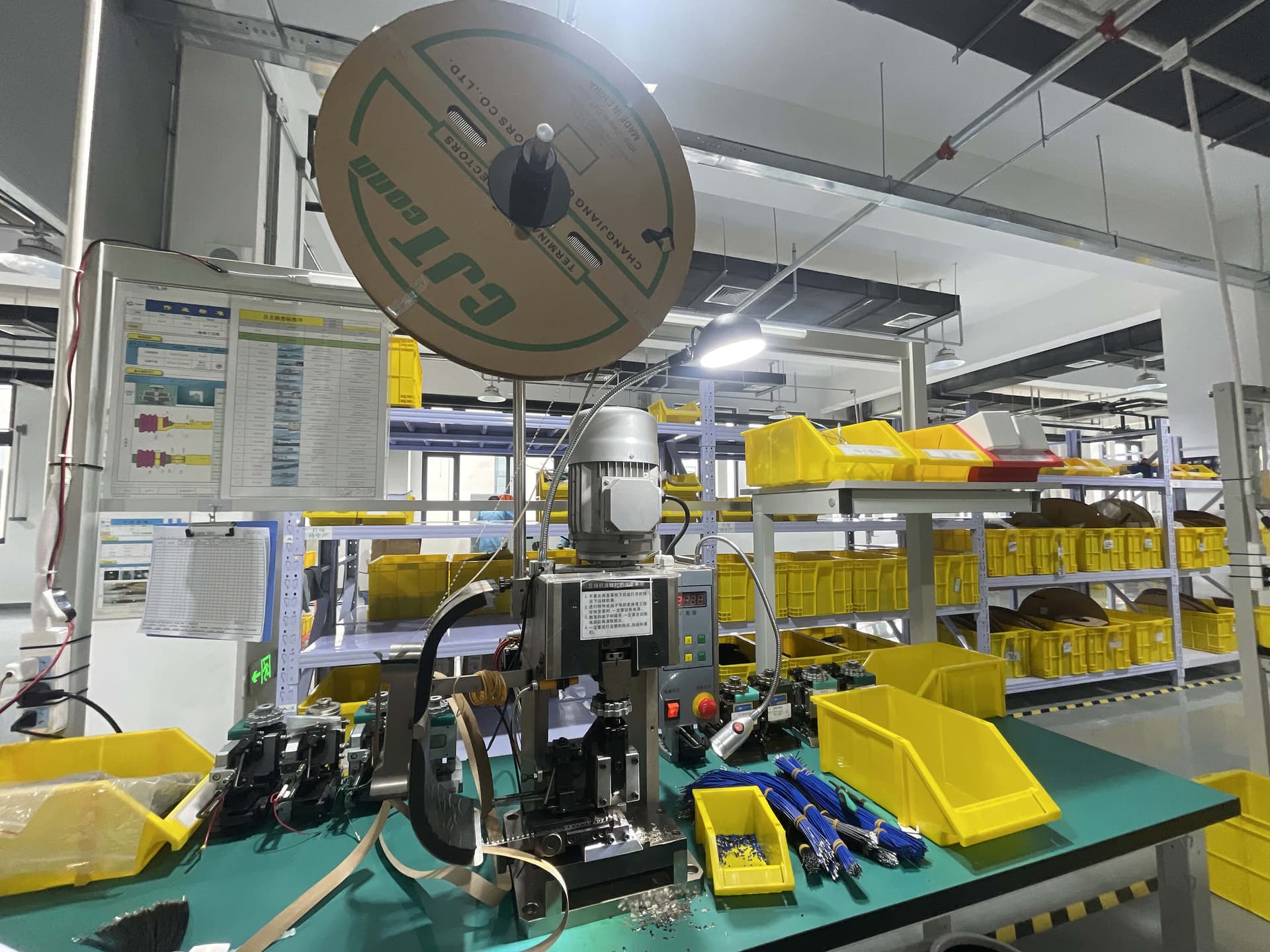
What buyers usually need from a terminal crimping supplier
Crimping is rarely the entire product. It is a critical operation inside a finished wire harness or cable assembly, and the reliability of that finished product often depends on how tightly the terminal system, conductor, tooling, and inspection plan are aligned.
Public references on electrical crimping, IPC workmanship standards, and ISO 9000 quality management are useful because they explain why repeatable process control matters more than a simple pass-fail continuity result.
In practice, OEM and procurement teams want the same thing: a supplier who can produce the correct terminal geometry repeatedly, verify the result, and keep later orders aligned with the approved sample.
Technical scope
Why buyers choose a dedicated crimping capability
This page is for production harnesses and cable sets where terminal quality needs to be controlled, documented, and repeatable.
Crimping Matched to the Exact Terminal System
Open-barrel, closed-barrel, ferrule, ring, blade, sealed automotive, and compact signal contacts all need the correct applicator, die geometry, strip length, and inspection method.
Built Around Conductor and Pull-Force Reality
A crimp that looks acceptable can still fail in vibration or service. We align wire gauge, strand class, terminal barrel fill, and pull-force expectations before the part reaches production.
Inspection Beyond a Visual Spot Check
Release control can include crimp height, pull-force, visual acceptance, first-article evidence, and cross-section or process verification when the application risk justifies it.
Prototype to Repeat Supply
MOQ 1 prototypes, first articles, pilot quantities, and scheduled production stay under one controlled build definition so the approved sample does not drift on later reorders.
Useful for Regulated and Harsh Environments
Medical, transport, industrial, mining, and automotive harnesses all depend on stable terminal compression, insulation support, and repeatable process control.
Commercial Fit for OEM Procurement
This service suits buyers who need a finished harness or cable build with controlled terminations, documented test coverage, and a repeatable supplier path rather than loose components.
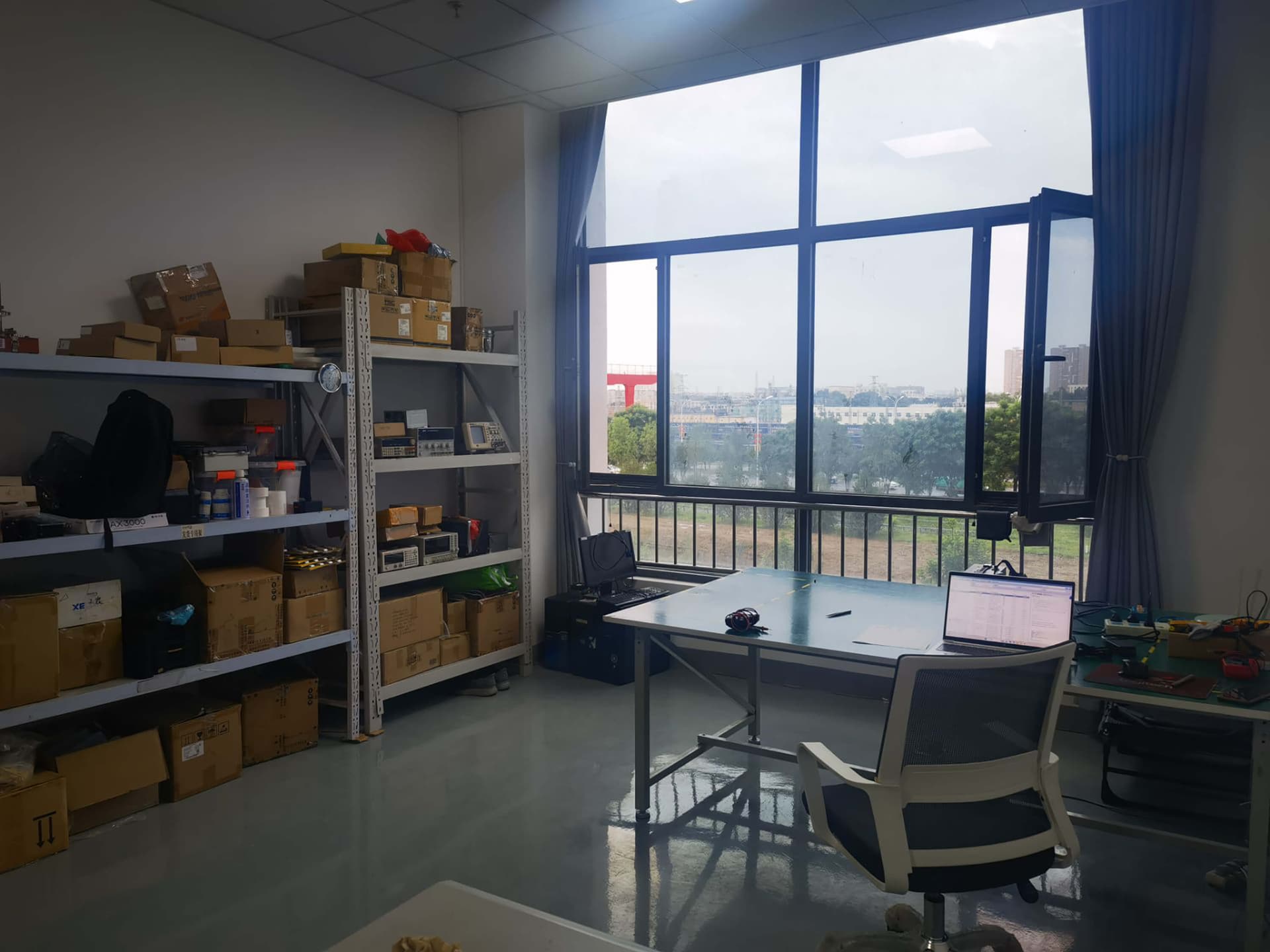
Typical applications for terminal crimping service
Wire Harness Production
Multi-branch harnesses for industrial equipment, medical devices, transport systems, and mobile machinery where termination consistency drives field reliability.
Cable Assembly Connector Termination
Mixed-end cable builds that need exact strip lengths, connector cavity control, shield-drain handling, and finished electrical test before shipment.
Automotive and Sealed Connector Programs
Weather-sealed terminals, cavity plugs, and strain-controlled branch exits for buyers who need better repeatability than hand assembly alone can provide.
Control Cabinets and Box Build Wiring
Ferrules, ring terminals, tagged conductors, and internal wiring sets for panel builders that need cleaner installation and incoming-inspection discipline.
Replacement and Legacy Assemblies
Reverse-engineered harnesses and cable sets built from samples, photos, or marked-up drawings when the original source is obsolete or unavailable.
Prototype and First-Article Programs
Low-volume engineering builds where the goal is to prove fit, conductor choice, terminal family, and test coverage before production ramps.
Typical terminal crimping workflow
Review the Terminal and Wire Definition
We start with the connector family, cavity map, wire gauge, strand construction, insulation diameter, and environment so the termination method is defined before quotation.
Align Tooling and Inspection Requirements
Applicator choice, strip length, crimp-height checks, pull-force sampling, and any sealing or label requirements are matched to the part risk and production plan.
Build a Prototype or First Article
Initial units are produced for fit, insertion, pull-force behaviour, and electrical validation so design gaps are corrected before repeat release.
Release Controlled Production
Approved work instructions, cavity maps, labels, and test criteria are locked into a repeatable build package for pilot quantities and later purchase orders.
Verify Before Shipment
Finished assemblies are checked against the agreed electrical and physical criteria so incoming teams receive a defined product rather than visually similar but uncontrolled terminations.
Buyer checklist before requesting a quote
Call out the exact terminal and housing family because open-barrel contacts that look similar can require different dies, strip lengths, and cavity checks.
Define conductor gauge and strand construction together. Terminal range, pull force, and barrel fill depend on both values, not gauge alone.
Separate continuity testing from crimp-process validation. Continuity proves electrical closure, not whether the crimp geometry is stable in service.
Specify whether the terminal is for a sealed connector, ferrule, lug, or compact signal contact because inspection points change across those families.
Document label text, cavity numbering, and revision status before production. Crimp quality suffers quickly when operators are filling gaps in the drawing package.
If the assembly will see vibration, heat, fluids, or repeated service access, note that in the RFQ so conductor choice, strain relief, and inspection depth are aligned early.
How a typical terminal crimping service program runs with us
This is an illustrative description of a representative project type, not a specific customer engagement. As a contract assembler we do not publish customer-identifiable data.
Frequently asked questions
Common commercial and engineering questions about terminal crimping for cable and harness production.
What does a terminal crimping service actually include?
A terminal crimping service covers more than compressing a contact onto a wire. For production cable assemblies and harnesses, it usually includes wire preparation, terminal loading, cavity insertion, conductor and insulation support checks, electrical verification, and the inspection evidence needed for prototype approval or repeat purchasing. The exact stack depends on whether the job uses open-barrel contacts, ferrules, ring terminals, sealed connectors, or other termination families.
Can you build from my drawing, or do I need to send a physical sample?
Either works. A drawing with connector part numbers, cavity map, wire list, lengths, and test requirements is usually enough to start. If the documentation is incomplete, a sample assembly or clear field photos can help identify terminal orientation, seal usage, label position, and missing BOM details before we move into a controlled prototype.
How do you control crimp quality on production harnesses?
The control method is chosen around the terminal family and application risk. Typical release control combines 100% continuity and pinout testing with visual inspection, then adds pull-force checks, crimp-height verification, or first-article evidence where needed. For regulated or high-reliability programs, we can align the build around more formal inspection and documented process control before the part is released for repeat supply.
Is crimping better than soldering for wire harnesses?
For most harness and cable production, yes. Properly executed crimps are widely preferred because they are repeatable, vibration-tolerant, and easier to control in volume manufacturing. Solder still has a place in specific connector systems and specialty assemblies, but most commercial harness programs rely on validated crimped terminations instead of hand-soldered joints for everyday production reliability.
Do you support low-volume prototypes as well as repeat production?
Yes. We support MOQ 1 prototypes, first articles, small pilot lots, repeat production, and service-spare orders. The value of the prototype stage is that the same part definition, inspection notes, and approved sample path can then carry into later orders instead of restarting engineering each time.
What information helps you quote a crimped harness or cable assembly quickly?
The fastest quote usually includes connector and terminal part numbers, wire gauge and colour list, finished lengths or branch dimensions, quantity, environment, and the required test plan. If the project is replacing an existing cable, a sample plus mating-device photos is often enough to start the review.
Related capabilities and technical resources
Use these pages when your project needs drawing cleanup, terminal-family selection, or deeper inspection criteria before production release.
UL CSA Certified Cable Assembly
Compliance-ready cable assemblies with recognized materials, controlled terminations, electrical testing, and traceable release records.
Explore pageEngineering Drawing Review
Review BOM, pinout, cavity map, labels, tolerances, and test notes before the first crimped sample is released.
Explore pageWire Harness Manufacturing
Full wire harness production capability for multi-branch builds, routing boards, labels, and electrical test release.
Explore pagePower Tool Wire Harness
Compact crimped leads for battery contacts, trigger switches, motors, LEDs, chargers, and safety interlocks.
Explore pageTesting and Quality Control
Electrical validation options including continuity, insulation resistance, hi-pot, and inspection discipline for finished assemblies.
Explore pageCrimp Quality Inspection Guide
Detailed background on pull-force testing, crimp height, visual acceptance, and defect analysis.
Explore pageCrimp vs Solder Terminations
Technical guidance on when crimps outperform soldered joints in commercial harness manufacturing.
Explore pageWire Harness Terminal Types Guide
Compare terminal families before locking the tooling and inspection method.
Explore pageNeed controlled terminal crimping for a harness or cable assembly?
Send the drawing, sample, connector part numbers, or a marked-up photo. We can review the terminal family, conductor range, inspection needs, and prototype path before quoting.