
TC-ER Certified Power Cable Assembly for Australian OEMs
Custom TC-ER tray cable assemblies for equipment builders, control panels, power distribution, and export machinery that need approved cable markings, robust terminations, and documented electrical testing.
When a TC-ER Power Cable Assembly Makes Sense
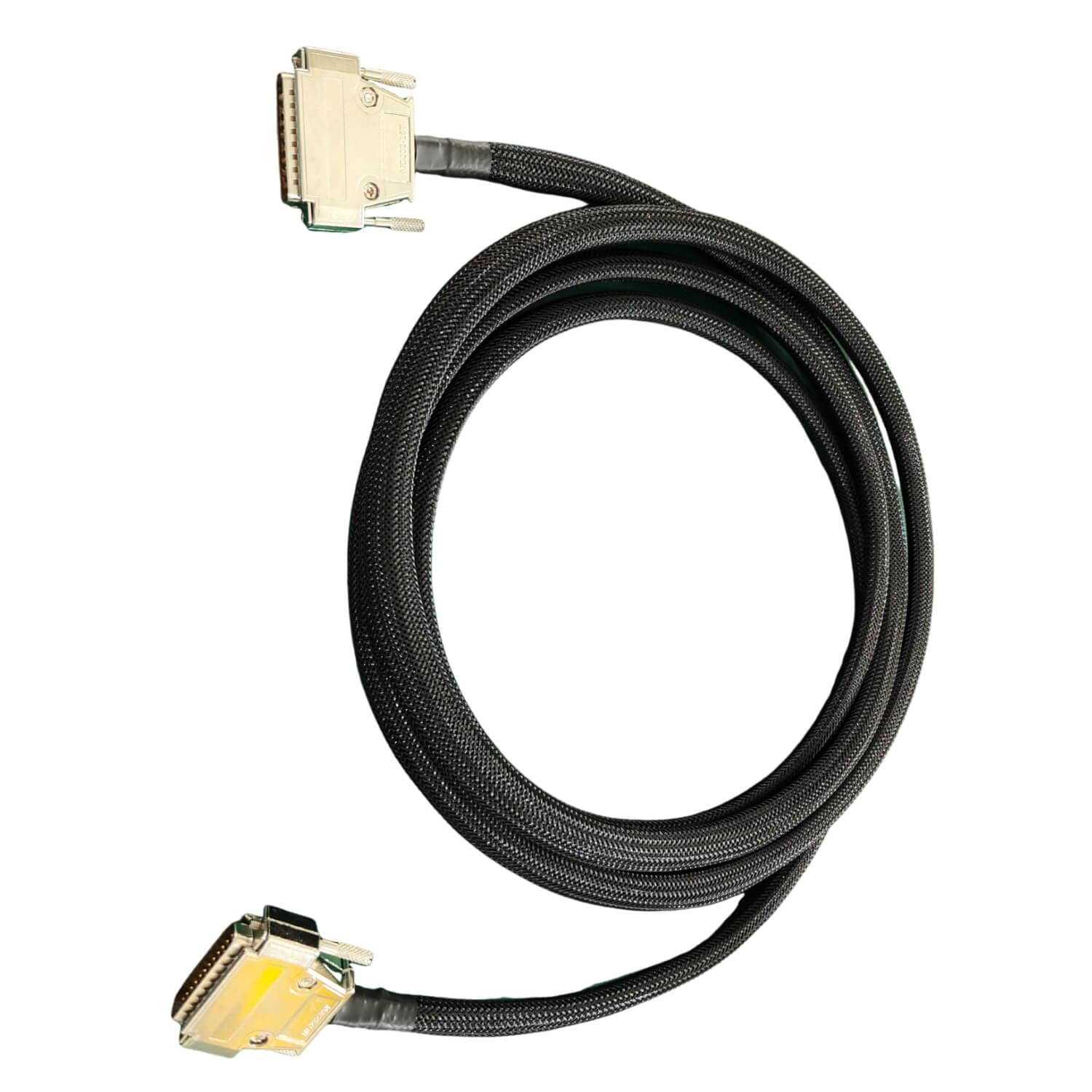
TC-ER power cable is usually discussed when a machine builder needs a tray cable that can leave the cable tray and connect to equipment under the project rules. For procurement teams, the risk is that "power cable" gets quoted too broadly. A compliant-looking lead may still fail the RFQ if the cable marking, termination method, label format, or test evidence does not match the buyer specification.
We build the finished assembly around the drawing, not just the cable reel. That means the TC-ER marking, UL 1277 reference, NEC Article 336 installation context, terminal geometry, clamp point, heat shrink, conductor ID, and inspection record are reviewed together before the first article is released.
For background on installation terms, buyers can compare the general National Electrical Code framework with the physical routing concept of a cable tray. Environmental protection decisions may also use familiar IP code language when connectors or enclosures are sealed.
RFQ Decisions That Change the Finished Cable
A TC-ER assembly is not just a length of marked cable. The installed route, termination stack, and inspection package decide whether it is acceptable for a buyer review.
Installation Path
Cable tray, exposed run, conduit transition, panel entry, and equipment termination each affect jacket choice, bend radius, clamp spacing, and strain relief.
Current and Voltage
Conductor size is checked against load current, duty cycle, voltage drop, ambient temperature, bundle condition, and approved cable data rather than chosen from length alone.
Marking and Approval
The RFQ should state whether TC-ER, UL 1277, NEC Article 336, sunlight resistance, oil resistance, direct burial, or project-specific markings are mandatory.
Termination Stack
Terminal barrel, lug stud size, ferrule length, gland compatibility, heat shrink overlap, and label placement are confirmed before first article release.
Environment
Oil, coolant, UV, abrasion, washdown, heat, cold, and vibration exposure can change the cable jacket and protective sleeving choice.
Release Evidence
Inspection records, continuity results, and first-article photos help receiving teams approve the assembly without treating it as a generic cable purchase.
Capability Range
| Cable Type | TC-ER tray cable, power and control tray cable, shielded tray cable, and customer-approved equivalent constructions |
|---|---|
| Common Ratings | Specified by the approved cable datasheet, often around 600 V industrial power and control applications |
| Conductors | Multi-conductor power, control, ground, and mixed power-plus-signal layouts reviewed against the installation drawing |
| Terminations | Crimp lugs, ferrules, ring terminals, fork terminals, circular connectors, gland-ready stripped ends, and mixed-end assemblies |
| Protection Options | Heat shrink, boots, labels, braid sleeves, conduit interfaces, gland preparation, and strain relief features |
| Testing | 100% continuity and pinout verification with insulation resistance, hi-pot, and pull checks added by specification |
| Documentation | BOM control, drawing revision, material traceability, first-article notes, and inspection records for repeat orders |
| Order Profile | MOQ 1 prototype, pilot batches, spare-part kits, and production supply for OEM equipment programs |
Specification Checklist Before Quote
- State whether TC-ER marking is mandatory or whether an approved equivalent cable construction is acceptable.
- Provide conductor count, conductor size, voltage, current, duty cycle, and ground conductor requirements.
- Define each end termination, stud size, connector part number, gland interface, and stripped length.
- Confirm installed route, minimum bend radius, exposed-run distance, clamp method, tray exit point, and panel entry.
- List required jacket properties such as sunlight resistance, oil resistance, cold flexibility, flame rating, or direct burial marking.
- Separate mandatory compliance markings from preferred brand names so sourcing delays do not block the quote.
- Specify inspection evidence: continuity report, hi-pot value, insulation resistance value, first-article photos, or labelled pack list.
Supplier-Side Controls We Use Before Release
On a recent tray-cable RFQ review, the drawing called out a 3-core plus ground power cable, but the panel layout left less than 90 mm between the gland and the first bend. We flagged the bend-space issue before quote, changed the lug orientation, and added a longer heat-shrink transition so the first article could be installed without forcing the cable against the termination.
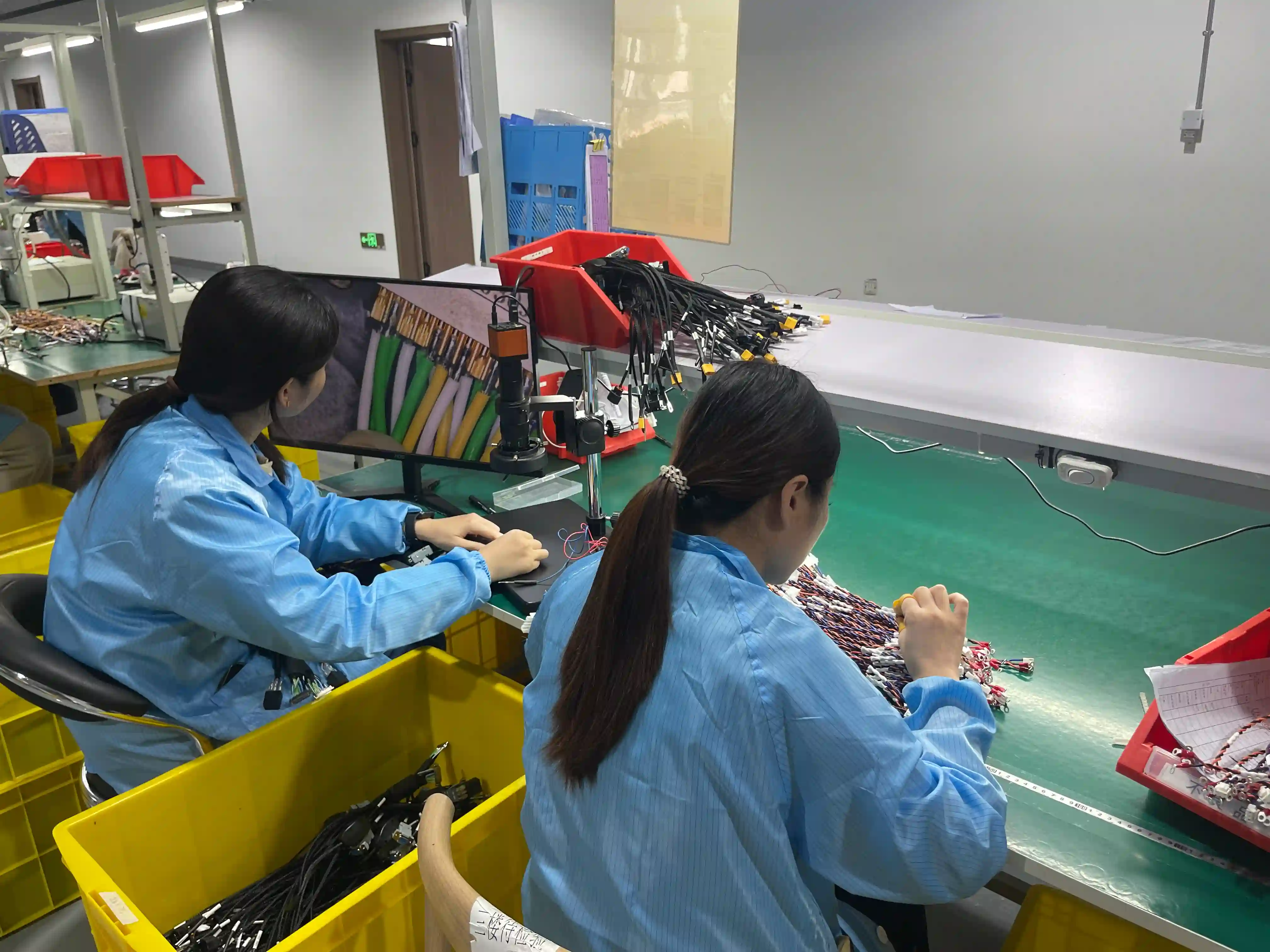
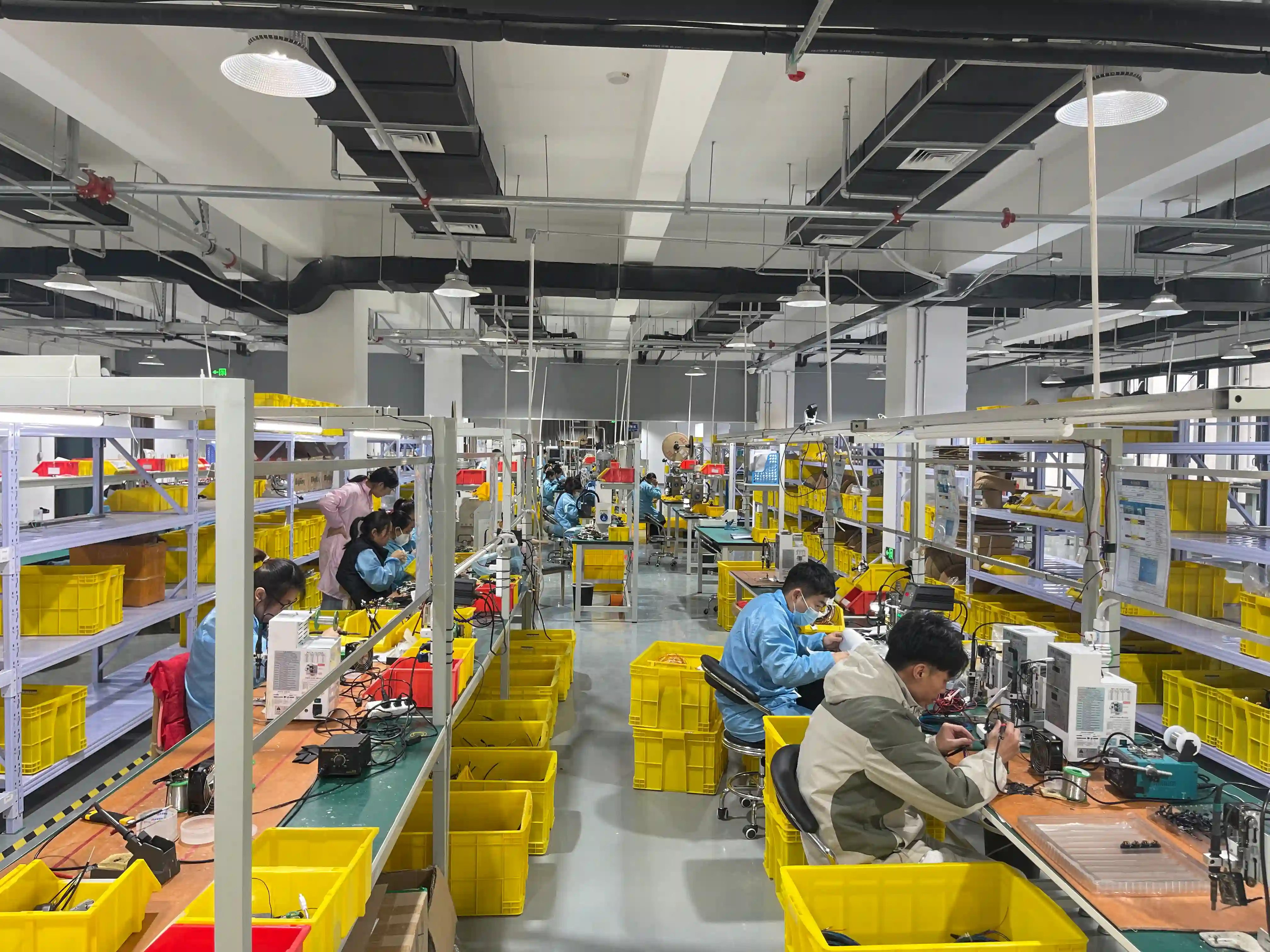
That is the type of detail buyers miss when the purchase order only says "TC-ER power cable". Our team checks the physical route, terminal stack, label orientation, and test evidence together, then converts the approved build into work instructions for repeat production.
Typical release targets
How We Build and Release a TC-ER Cable Program
RFQ and Drawing Review
We check cable marking, conductor count, voltage, current, routing, bend space, environmental exposure, end hardware, and the inspection package required by your buyer.
Cable and Hardware Confirmation
Approved TC-ER cable options, terminals, glands, heat shrink, labels, and protective parts are matched to the drawing before we lock the quote and lead time.
Prototype or First Article
The first build confirms cut length, strip length, terminal fit, label readability, gland clearance, installed bend radius, and electrical test criteria.
Controlled Production
Production follows documented cut, strip, crimp, sleeve, label, and inspection instructions so repeat batches match the approved first article.
Electrical Test and Packout
Assemblies are checked for continuity, pinout, workmanship, and specified insulation tests, then packed by part number and revision for receiving inspection.
Related Cable Assembly Decisions
TC-ER may be the right answer for a tray-cable application, but it should be compared with the surrounding cable requirements before release. These pages help buyers refine the adjacent choices.
Common Applications
We support TC-ER power cable assemblies where an OEM needs a repeatable, labelled, and tested cable kit instead of field-cut cable.
Industrial Control Panels
Power and control leads from panel trays to motor starters, drives, junction boxes, and auxiliary equipment where labelled, tested assemblies reduce site wiring time.
OEM Machinery
Pre-terminated tray cable assemblies for conveyors, packaging machines, process equipment, pump skids, and export machinery that needs repeatable wiring kits.
Energy and Utility Equipment
Cable assemblies for battery cabinets, power conversion skids, monitoring panels, and service modules where documentation and installation discipline matter.
Mining and Mobile Plant Support
Rugged power and control cable builds for harsh-duty equipment, service spares, and upgrade kits where abrasion protection and clear identification are important.
Factory Automation
Tray cable assemblies for robot cells, drives, remote I/O, and production lines that need known lengths, tested terminations, and fast replacement.
North American Export Builds
Support for Australian OEMs shipping equipment into projects that reference NEC Article 336, UL 1277 style tray cable, or customer-specific cable approval lists.
Reviewed by Our Wire Harness Engineering Team
Technical review led by the Custom Wire Assembly team
Quality and Compliance Context
ISO 9001:2015
Quality management controls for drawings, BOMs, inspection records, nonconformance handling, and repeat production release.
IATF 16949:2016
Automotive-style process discipline for traceability, first-article review, change control, and production quality planning.
TC-ER and UL 1277 Review
Cable marking and datasheet requirements are checked before purchase so the assembly uses the cable basis specified by the RFQ.
NEC Article 336 Context
For export projects, we help buyers separate cable assembly manufacturing scope from final installation approval by the local authority.
How a typical tc er certified power cable program runs with us
This is an illustrative description of a representative project type, not a specific customer engagement. As a contract assembler we do not publish customer-identifiable data.
TC-ER Power Cable FAQ
Practical answers for buyers comparing tray cable assemblies, field wiring, and custom power cable kits.
What does TC-ER mean on a power cable assembly?
TC-ER means tray cable, exposed run. In an RFQ, the marking normally tells the buyer that the base cable has been selected for tray cable use and exposed-run conditions where the final installation method permits it. The finished assembly still needs the correct conductor size, jacket, termination, strain relief, labels, and electrical test plan.
Can you supply TC-ER certified power cable assemblies for Australian OEMs?
Yes. We build custom TC-ER power cable assemblies for Australian equipment manufacturers that sell into North American or multinational industrial programs. We confirm the required cable marking during material review and build the completed assembly to the drawing, BOM, connector, and test requirements.
Is TC-ER the same as a general flexible power cord?
No. A general flexible cord, a VFD cable, a welding lead, and a TC-ER tray cable can look similar to a non-specialist buyer, but they are specified for different installation rules and mechanical expectations. TC-ER selection should be confirmed against the target installation, authority requirements, and customer specification before release.
What information do you need to quote a TC-ER cable assembly?
The fastest quote comes from the cable type or approved manufacturer list, conductor count and size, voltage rating, length, end termination, ground conductor requirement, shield or armour requirement, bend space, environmental exposure, labels, and test requirements. A drawing, sample, or panel layout reduces back-and-forth.
Do you test every TC-ER power cable assembly?
Every finished assembly receives visual and electrical checks against the approved drawing. Typical release checks include continuity, pinout, conductor identification, pull or crimp inspection where applicable, and insulation or hi-pot testing when the project specification requires it.
Can you support prototypes and repeat production?
Yes. We support one-off engineering samples, first articles, service spares, pilot lots, and scheduled production. Prototype timing is usually 2 to 3 weeks after materials are available, with production timing planned around cable and connector lead times.
Need a TC-ER Cable Assembly Quoted From a Drawing or Sample?
Send the drawing, BOM, cable marking requirement, or sample photos. We will review the cable construction, termination stack, test plan, and production path before quoting.