
JST Connector Harnesses Without the Guesswork
Custom JST cable assemblies for Australian OEMs that need exact series identification, controlled crimping, first-article approval, and 100% pinout testing before repeat supply.

Custom JST harness manufacturing for compact OEM products
JST connector harness projects fail early when the RFQ says "2-pin JST" but omits the exact series, pitch, latch, and mating key. Our review starts by identifying the connector family, then ties the pin map, wire gauge, crimp terminal, housing orientation, and test method to one controlled first article.
Our cable assembly team builds compact low-voltage harnesses for LEDs, battery leads, sensors, embedded controllers, test fixtures, medical-adjacent accessories, and consumer equipment. The same production controls used on broader custom cable assembly work apply here: cut-strip control, crimp inspection, housing insertion checks, and electrical release testing.
For workmanship expectations, we align inspection language with IPC-style cable assembly practices and quality-system controls comparable to ISO 9001. For connector identification, we also use public references such as the JST connector family overview, then verify the actual part against your sample, drawing, or mating interface.
Best fit
- You need compact low-voltage harnesses with documented pinout and repeatable colour coding.
- You have a sample cable but no controlled drawing and need repeat supply.
- Your design uses JST XH, PH, SM, VH, ZH, SH, PA, JWPF, or a similar compact crimp housing.
- You need prototypes first, then the same approved assembly in pilot or production lots.
JST series we commonly process
The correct series is selected from pitch, current, retention, space, and mating connector evidence, not from the brand name alone.
JST XH
2.50 mmGeneral internal power and signal harnesses where compact size and stable availability matter.
JST PH
2.00 mmBattery leads, small modules, compact sensors, and low-profile internal connections.
JST SM
2.50 mmWire-to-wire LED, display, and serviceable low-voltage assemblies with latch retention.
JST VH
3.96 mmHigher-current low-voltage leads where XH or PH terminals are too small for the load.
JST ZH / SH
1.50 / 1.00 mmDense internal signal paths in compact electronics where routing space is tight.
JST JWPF
2.00 mmWater-resistant low-voltage connections where a compact sealed interface is required.
Technical capability table
Manufacturing controls that matter on compact crimps
Fine-pitch connector harnesses need tighter attention to strip length, terminal insertion, polarity, and handling than generic jumper leads.
Exact Series Identification
Many buyers say "JST" when they only know the connector brand. We check pitch, latch, keying, circuit count, terminal family, and mating geometry before quoting.
Controlled Crimping
Compact JST terminals leave little room for poor strip length or conductor placement. We define crimp setup, inspection points, and pull-check rules around the selected terminal.
Mixed-End Harness Builds
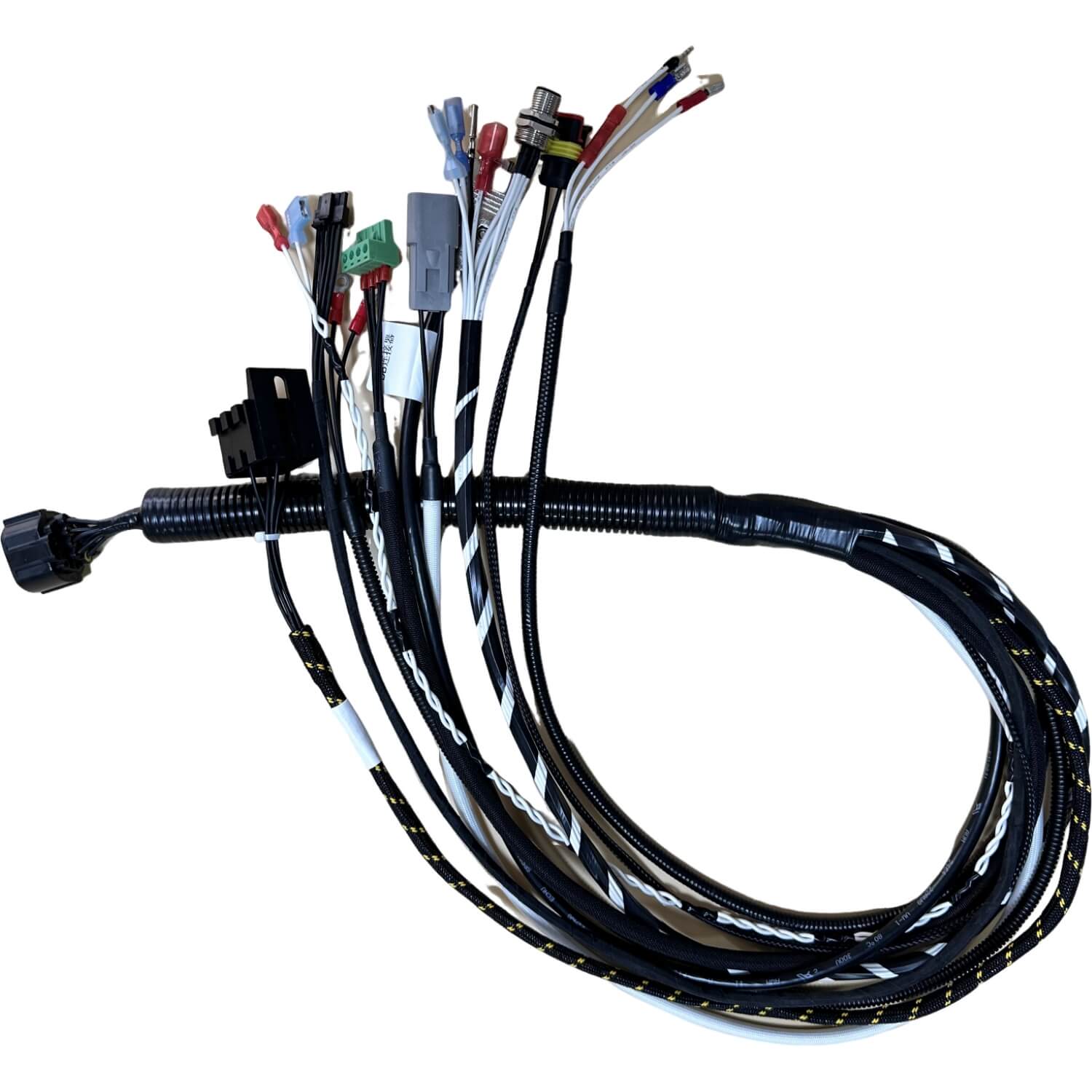
JST ends can be combined with Molex, Dupont-style housings, ferrules, tinned leads, ring terminals, waterproof connectors, or customer-specified interfaces.
LED and Display Wiring
Colour-coded JST harnesses reduce installation mistakes in LED lighting, signage, small displays, controller boxes, and serviceable low-voltage products.
Battery and Sensor Leads
PH, XH, ZH, and related compact connector families are common in small battery packs, sensor modules, charge leads, and compact accessories.
100% Electrical Verification
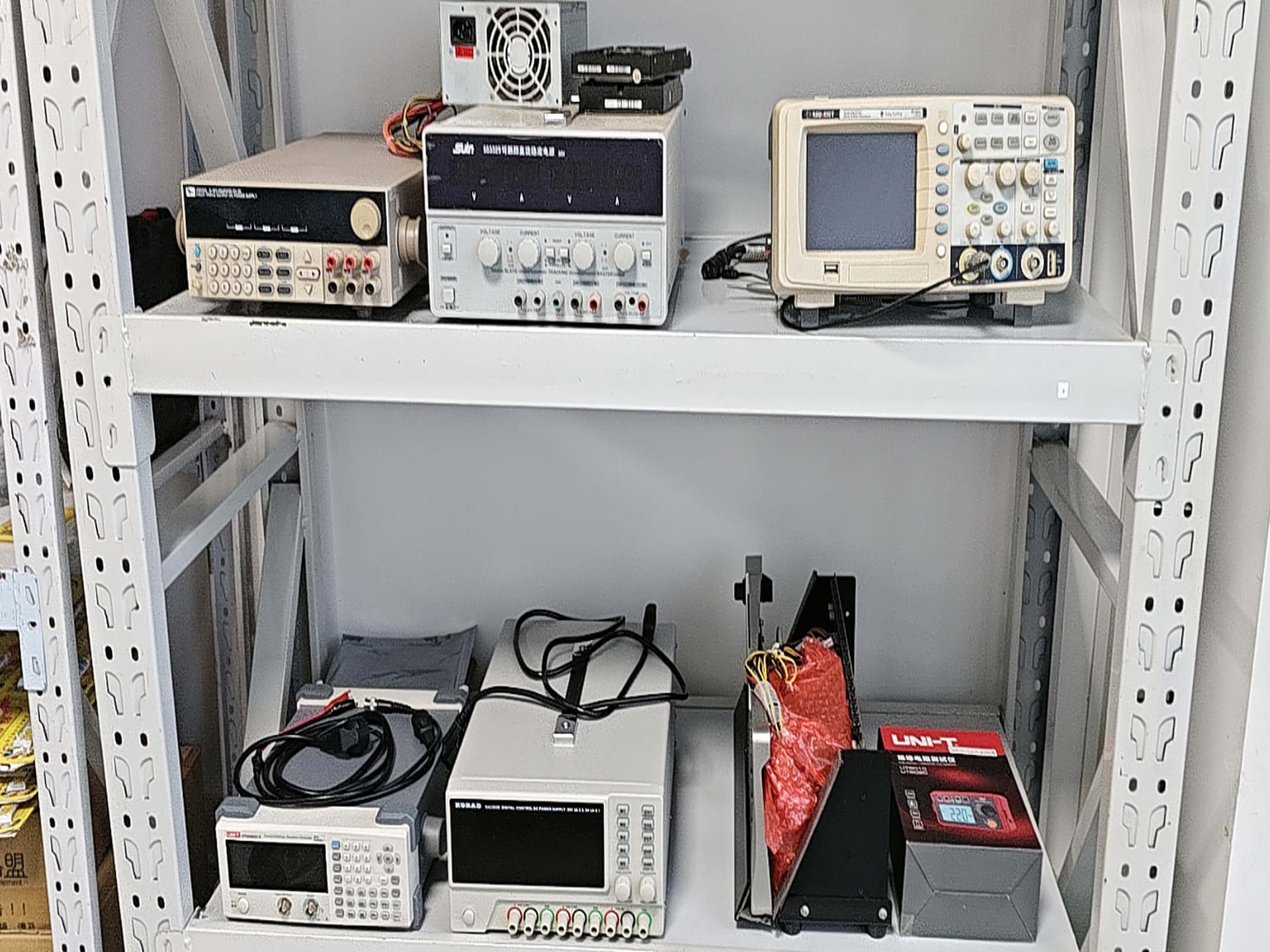
Pinout, polarity, continuity, wire colour, housing orientation, and label checks are matched to the approved first article before repeat shipments leave the factory.
From sample cable to repeatable part number
Connector Identification
We review connector markings, photos, pitch, latch shape, circuit count, mating part, and any existing sample so the harness is not quoted against the wrong JST family.
Pinout and Wire List Control
The team documents circuit positions, wire colour, gauge, length, branch points, labels, and end preparation before building the first article.
First-Article Build
A small sample confirms crimp quality, mating fit, pull strength where required, housing orientation, installed length, and electrical function.
Production Release
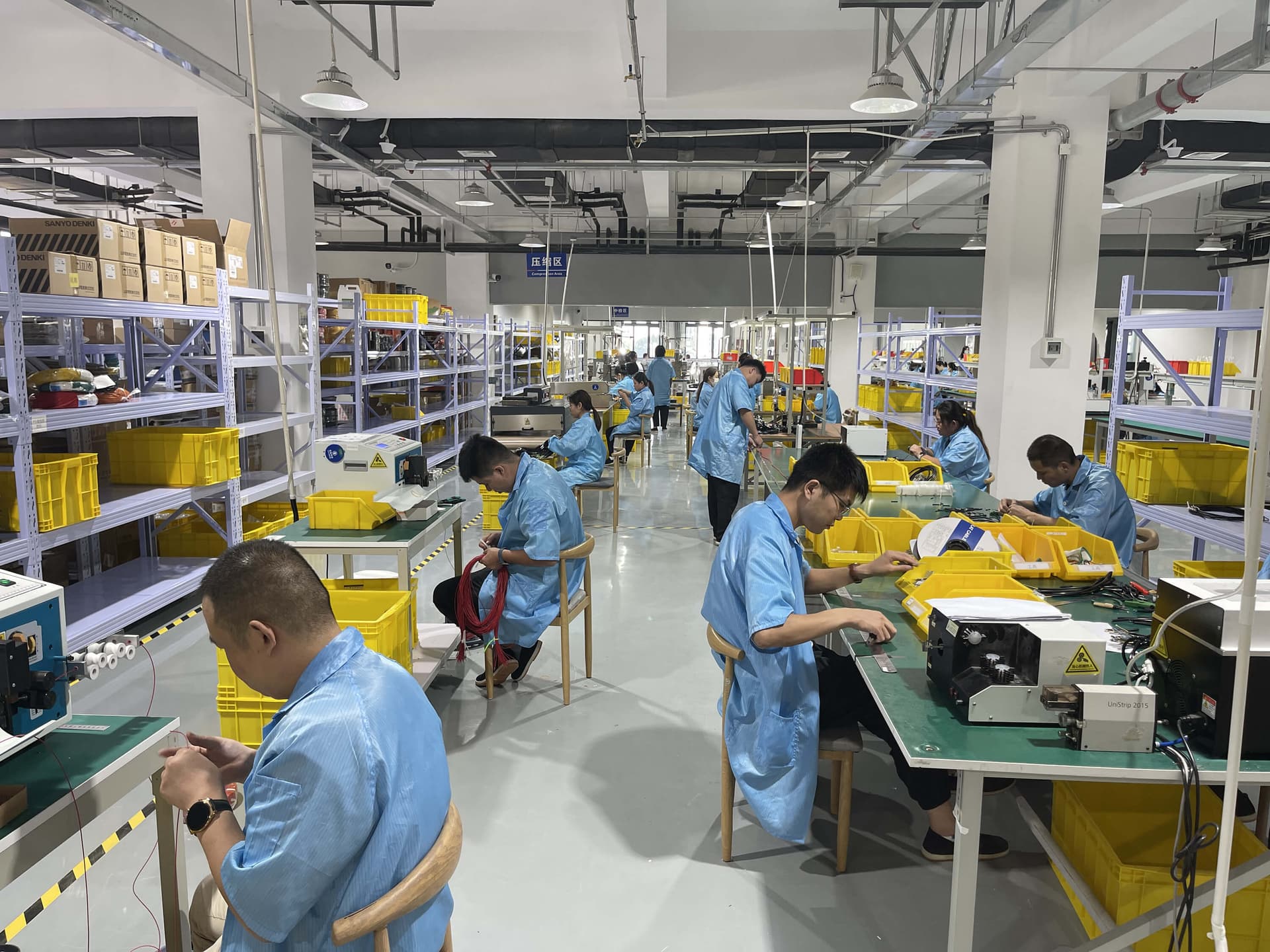
Approved JST harnesses are built to work instructions with controlled crimp tools, cut-strip settings, housing insertion checks, and visual acceptance criteria.
Test and Packout
Finished assemblies are checked against the pin map, packed by part number and revision, and labelled so receiving teams can install them without sorting errors.
Common applications
Capability limits
Buyer note from engineering review
"On JST harness RFQs, the risky phrase is usually the shortest one: 2-pin JST. A procurement drawing should name the series, pitch, circuit position, wire colour, and mating connector. Without those details, two suppliers can quote parts that look similar but do not mate."
This is why our quote process asks for photos of the latch side, mating face, wire-entry side, and any existing markings. A few clear photos can save a full prototype cycle.
How a typical jst connector harnesses without the guesswork program runs with us
This is an illustrative description of a representative project type, not a specific customer engagement. As a contract assembler we do not publish customer-identifiable data.
JST connector harness FAQs
What JST connector series can you build into harnesses?
We build JST connector harnesses across common compact families including XH 2.50 mm, PH 2.00 mm, SM 2.50 mm wire-to-wire, VH 3.96 mm, ZH 1.50 mm, SH 1.00 mm, PA 2.00 mm, and waterproof JWPF style assemblies. The final series must match current, pitch, retention, mating cycle, enclosure space, and approved part availability.
Can you manufacture a JST harness from a sample cable?
Yes. A sample cable, marked photo, pin table, or mating connector part number is enough to start a controlled review. We identify the exact JST series where possible, confirm pitch and keying, document wire colours and lengths, then build a first article for fit, polarity, retention, and electrical testing before repeat supply.
What is the MOQ for custom JST connector harnesses?
MOQ can start at 1 prototype for engineering validation. Pilot and production orders are usually planned around connector availability, crimp tooling, wire colour requirements, and packing method. For repeat OEM supply, we recommend approving a first article before ordering volume so the pinout, label method, and housing orientation stay fixed.
Are JST connectors suitable for harsh environments?
Most small JST families are best for protected internal equipment, indoor electronics, LED products, sensors, and low-voltage battery leads. For splash, dust, vibration, or outdoor exposure, we review sealed JST options such as JWPF or recommend a more rugged connector family. That trade-off prevents compact indoor connectors from being used beyond their mechanical limits.
How do you test JST cable assemblies?
Every JST harness can be checked for continuity, pinout, polarity, housing position, wire length, crimp workmanship, and visual condition. Pull-force checks, mating checks, insulation resistance, label verification, and application-specific functional tests are added when the drawing or risk level requires them. Test scope is agreed before the first article is released.
Can you combine JST with Molex, Dupont, terminals, or bare leads?
Yes. Mixed-end JST harnesses are common in embedded products, LED controllers, battery accessories, test fixtures, and low-voltage equipment. One end may use JST PH or XH while the other end uses Molex, Dupont-style housings, ferrules, ring terminals, tinned leads, or customer-specified connectors. The quote should include both mating interfaces.
What information helps you quote a JST harness quickly?
The fastest quote includes JST series or connector part numbers, circuit count, pitch, pinout, wire gauge, wire colour, finished length, current, environment, mating connector details, label requirements, and expected annual quantity. If the exact JST part is unknown, clear photos of the mating face, latch, keying, and wire-entry side help prevent misidentification.
Need a JST harness quoted from photos or a sample?
Send the connector photos, pinout, target length, and expected order quantity. We will confirm the likely JST series, flag missing RFQ details, and quote the first-article path before production.