
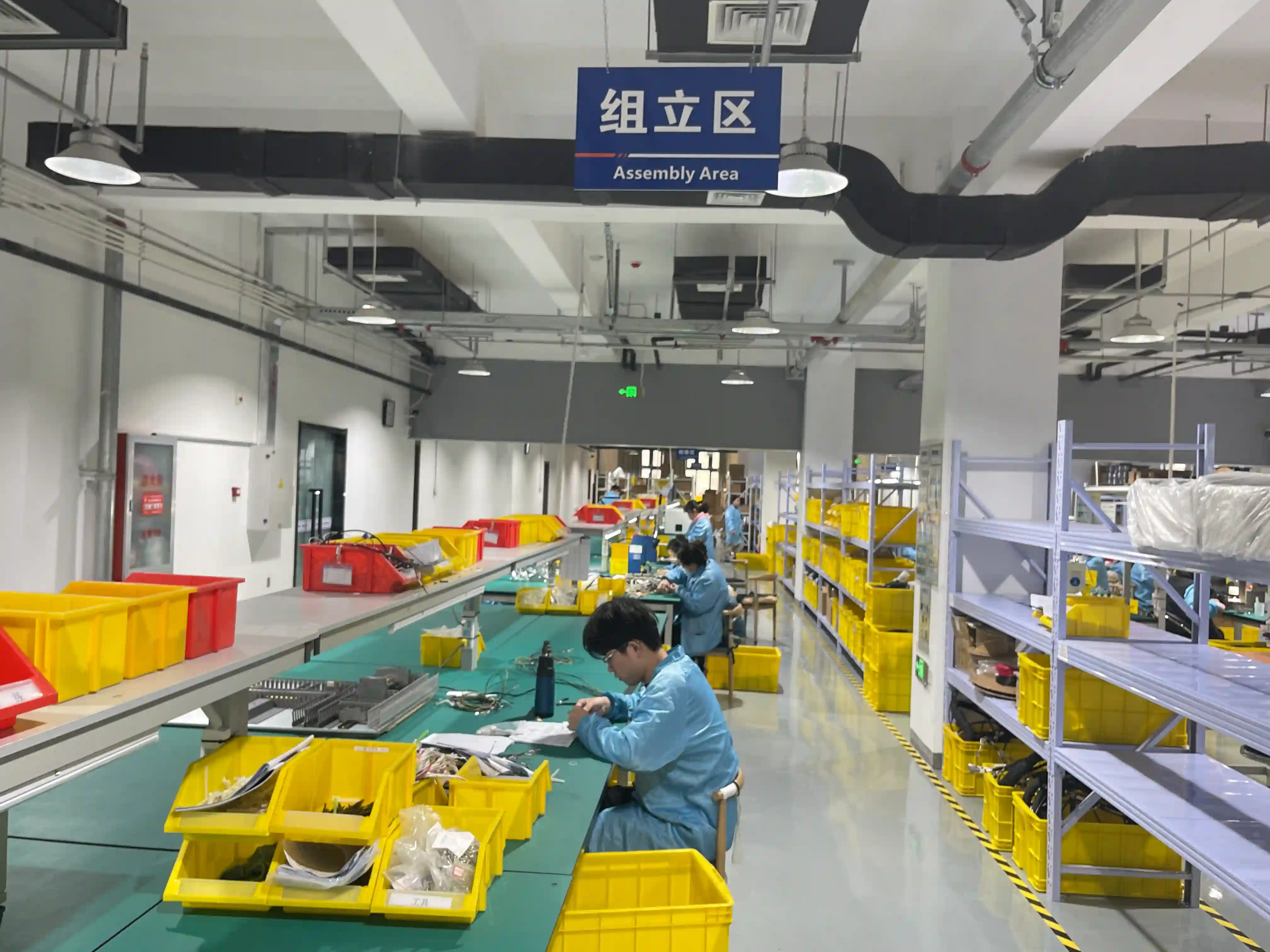
Depinning sounds simple until a five-minute repair turns into a broken connector, a stretched wire seal, and a harness that no longer passes retention or leak testing. In production and field service, most connector damage happens not during crimping, but during rushed rework.
The goal is not merely to pull a terminal out. The goal is to remove it while preserving the connector cavity, locking features, plating, and seal stack so the assembly can be restored to the original workmanship level expected by IPC practices . That matters whether you are servicing an electrical connector on a mining machine, replacing a misloaded cavity in a medical cable, or correcting a crimp issue after inspection. If the terminal needs replacement after removal, follow the same control discipline used for crimped terminations .
Typical release time when the correct tool is engaged properly
Acceptable cracked cavities after rework on production harnesses
Checks after removal: terminal, cavity, and seal condition
Sealed connectors need extra attention to wedge locks and wire seals
"If a terminal does not release within about 3 seconds, the problem is almost never pull force. It is usually an unopened TPA, the wrong extraction profile, or a lance that has not been fully depressed. Forcing it is how teams turn a AUD $2 correction into a full connector replacement."
Custom Wire Assembly
Engineering Director, Custom Wire Assembly
Why Depinning Technique Matters in Wire Harness Rework
Most connector systems hold a terminal in place with a primary locking lance and, on better designs, a secondary lock such as a TPA, wedge lock, or assurance clip. Depinning means reversing both retention features in the correct order. If you skip the secondary lock, the terminal will not release cleanly. If you depress the lance from the wrong side, you flatten it permanently.
This matters for rework quality. A damaged cavity can reduce retention below the original connector specification. A bent contact beam can increase contact resistance. A nicked rear seal can downgrade a waterproof assembly that was supposed to survive washdown or dust ingress. On assemblies that later need electrical verification, the repair still has to pass the same inspection logic used in our wire harness crimp quality inspection guide.
For that reason, depinning should be treated as controlled rework, not improvised repair. If you are repeatedly depinning the same connector family, create a standard work instruction with photos, tool part numbers, and a maximum reuse rule for contacts and seals.
Connector Tool Reference: What Usually Releases the Terminal
| Connector Family | Typical Lock Style | Common Release Tool | Service Note |
|---|---|---|---|
| JST XH / PH style | Single lance | Thin flat pick or blade | Very easy to over-bend the lance on small signal contacts |
| Molex Mini-Fit Jr | Internal locking tab | Narrow extraction blade | Approach from contact side and support the housing wall |
| Deutsch DT / DTM | Wedge lock plus lance | Pick for wedge, release tool for contact | Never pull the wire before the wedge lock is removed |
| AMP Superseal 1.5 | TPA plus lance | Service key or micro blade | Inspect rear silicone seals before reinsertion |
| D-Sub crimp contacts | Retention shoulder | Tubular extractor | Wrong tube size can bell-mouth the contact shoulder |
| Weather-pack and similar sealed systems | TPA plus tang | Stamped blade extractor | Replace any flattened seal on high-pressure washdown builds |
The exact tool still depends on the connector drawing and terminal series. If the connector family is not obvious, start with the housing part number and compare it against your approved component list or connector selection documentation.
"For sealed automotive connectors, half of successful depinning is seal management. If the rear grommet is cut by even 0.2 to 0.3 mm, the harness may still continuity-test fine but fail in mud, washdown, or salt fog service. Electrical repair is not complete until ingress protection is restored."
Custom Wire Assembly
Engineering Director, Custom Wire Assembly
Before You Start: 5 Checks That Prevent Connector Damage
1. Confirm the connector orientation
Identify mating face, wire entry face, cavity numbering, and lock direction before inserting any tool.
2. Open the secondary lock first
Look for a TPA, assurance clip, or wedge lock. Many connectors will not depin unless it is partially or fully released.
3. Match the extraction tool to the terminal
A general-purpose pick can work on simple contacts, but production rework should use the specific extraction profile.
4. De-energise and isolate the assembly
Never depin a live circuit. Disconnect power, discharge any stored energy, and tag the harness if it belongs to a larger system.
5. Decide whether the terminal is being reused
If the application is high-reliability, or if the fault involves overheating, corrosion, or plating damage, plan to replace the contact and inspect it against the criteria in our terminal types selection guide.
Step-by-Step: How to Depin a Connector Safely
Step 1: Photograph and label the cavity
Before disassembly, record cavity ID, wire colour, and wire destination. This avoids mirrored reassembly errors, especially on 8-way to 24-way housings where adjacent cavities look identical.
Step 2: Release the secondary lock or TPA
Use a small pick or service tool to open the lock to the service position. Do not pry it off blindly. Some connector families only need the TPA moved one click, not removed completely.
Step 3: Insert the extraction tool from the correct face
Most systems require the tool to reach the locking lance from the mating face. Advance gently until the tool bottoms or you feel the retention feature depress. If you meet plastic resistance immediately, you are likely in the wrong slot.
Step 4: Apply light rearward tension only
Pull on the wire with only enough force to feel movement. Small signal contacts should release with light hand tension, not a jerk. If there is no movement, stop and reset. Pulling harder usually widens the locking window or tears the wire seal.
Step 5: Inspect the removed terminal immediately
Check the locking lance, contact beam, plating, barrel, insulation support, and seal. If the lance is flattened, the contact shows heat tint, or the plating is scraped through to base metal, replace the terminal.
Step 6: Verify retention after reinsertion
Reinsert until the audible or tactile click is clear, close the secondary lock, then perform a light pull test. On production harnesses, that simple check catches many incomplete insertions before final electrical test.
Should You Reuse the Terminal or Replace It?
Reuse is acceptable only when the contact remains dimensionally correct and the workmanship requirement allows it. In many OEM workflows, reused contacts are prohibited on Class 3 or mission-critical assemblies because even a small loss of spring force can increase milliohm resistance and create intermittent faults under vibration.
Usually safe to reuse
- The lance can be restored cleanly and still locks.
- The plating shows no gouging or corrosion.
- The barrel and insulation crimp are dimensionally stable.
- The application is low-cycle service work, not high-reliability production.
Replace immediately
- The contact beam is deformed or loses insertion feel.
- The lock lance is cracked, flattened, or stress-whitened.
- The connector has heat damage, verdigris, or moisture ingress.
- The harness serves medical, mining safety, or critical control functions.
"Our internal rule is simple: if the rework technician has to ask whether a terminal still feels acceptable, it is already a replacement candidate. Contact systems operate on tiny spring geometries. Losing even 10 to 15% of retention feel can become an intermittent field failure after vibration, especially on mobile equipment."
Custom Wire Assembly
Engineering Director, Custom Wire Assembly
Common Depinning Mistakes That Cause Repeat Failures
Pulling before unlocking: the classic cause of torn lances and cracked cavity windows.
Using a sewing needle or random pick: narrow sharp tools often slip beside the terminal and score the housing.
Ignoring cavity contamination: dust, adhesive, or corrosion products can jam the contact and should be cleaned before reassembly.
Reusing damaged seals: this is a major reason why repaired waterproof harnesses later fail leak or insulation tests.
Special Notes for Waterproof and Harsh-Environment Connectors
Sealed connectors deserve extra caution because the terminal is only one part of the retention system. The rear wire seal, cavity seal, and wedge lock all affect long-term reliability. If the connector is used on mining, marine, or washdown equipment, compare the repaired assembly against the environment criteria in our IP67 vs IP68 vs IP69K guideand the broader recommendations in our wire harness troubleshooting guide.
Seal compression
A flattened seal may pass assembly but fail after temperature cycling or vibration.
Terminal orientation
Many sealed contacts must be clocked precisely, or the lock will appear engaged but not retain correctly.
Rework time control
If one cavity takes longer than 10 to 15 minutes, replacing the housing is often the faster and safer option.
How a typical how to depin a connector program runs with us
This is an illustrative description of a representative project type, not a specific customer engagement. As a contract assembler we do not publish customer-identifiable data.
Frequently Asked Questions
How do I depin a connector without breaking the locking tab?
Release the secondary lock first, then depress the primary lance with the correct extractor while keeping wire pull low. If the tab does not release in 2 to 5 seconds, reset the tool position rather than increasing force.
Can I remove a connector pin with a paper clip?
Only on very simple hobby connectors, and even then it is poor practice. Production connectors often use release windows around 1 mm wide, so improvised tools slip and damage the cavity more often than they help.
How much force should it take to depin a small crimp terminal?
With the correct release tool engaged, only light hand tension should be needed. If you are pulling hard enough to stretch the wire insulation, the terminal is still locked or the tool is wrong.
Do sealed automotive connectors need new wire seals after depinning?
Not always, but any seal with cuts, permanent flattening, or swelling should be replaced. On IP67 to IP69K assemblies, seal reuse should be conservative because a damaged seal can fail only after weeks of service.
Is it acceptable to reuse a terminal after one depinning cycle?
It depends on the product class and terminal condition. For general service repairs it may be acceptable after visual inspection; for Class 3 or safety-critical work, replacement is usually the better engineering choice.
What should I test after reinserting the terminal?
At minimum, confirm cavity position, lock engagement, light retention pull, and circuit continuity. Higher-risk assemblies should also receive insulation, sealing, or functional verification according to the product plan.
Need connector repair support or a replacement harness?
We build and rework custom wire harnesses, sealed cable assemblies, and connectorized subassemblies for automotive, industrial, mining, and medical applications. If repeated depinning is consuming technician time, it may be more economical to replace the connector branch or redesign the service interface.