
Cable Assembly vs Wire Harness: The Complete Guide
Understanding the fundamental differences between cable assemblies and wire harnesses is crucial for selecting the right solution for your project. This comprehensive guide covers everything you need to know.
Discuss Your Assembly Requirements
Send your drawings or describe your project. Our engineers will help you specify a cable assembly or wire harness and reply within 24 hours.
How a typical cable assembly vs wire harness program runs with us
This is an illustrative description of a representative project type, not a specific customer engagement. As a contract assembler we do not publish customer-identifiable data.
Table of Contents
“When customers compare two interconnect options, I ask for three numbers first: bend radius, expected mating cycles, and target ingress rating. Those metrics usually decide the architecture faster than price alone.”
Introduction: Why This Matters
In the world of electrical connectivity, two terms often cause confusion: cable assembly and wire harness. While they may seem interchangeable, understanding their differences is critical for engineers, procurement managers, and product designers.
Choosing the wrong solution can lead to increased costs, manufacturing delays, and even product failures. This guide will clarify the distinctions and help you make informed decisions for your specific application.
Key Takeaway
Cable assemblies are typically used for single-point connections with external protection, while wire harnesses bundle multiple wires for distribution within a larger system.
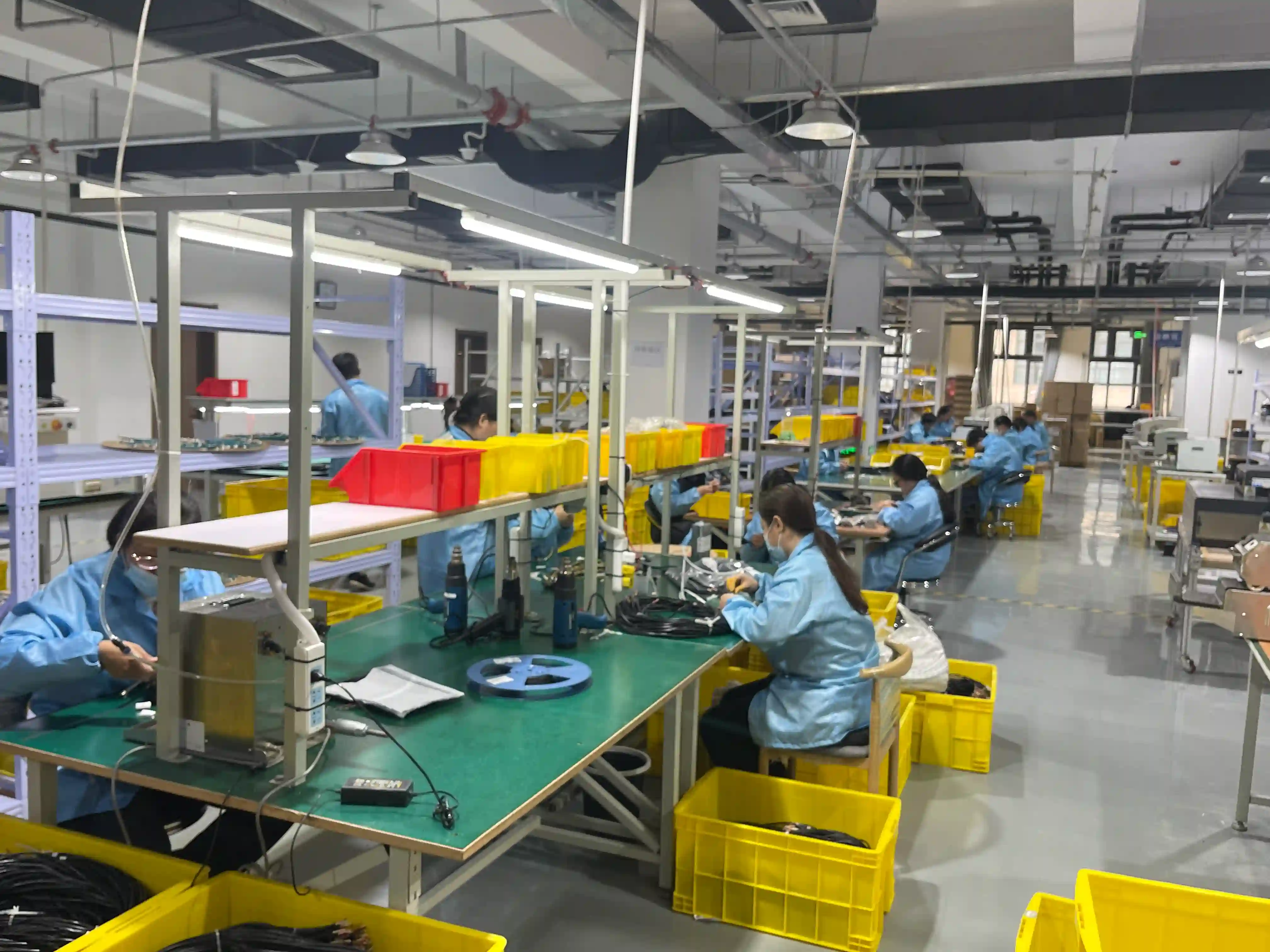
Limited Time Offer: $100 USD Off Your First Order!
Get professional cable assembly or wire harness manufacturing with our special introductory discount.
- ISO 9001 certified
- 2-3 Week Prototyping Turnaround
- MOQ: 1 Unit Available
Valid for orders over $500
What is a Cable Assembly?
A cable assembly consists of one or more cables that have been fitted with connectors, terminals, or other components on the ends. The entire assembly is typically encased in an external protective sheath or sleeve, which can be made from materials like:
- PVC (Polyvinyl Chloride)
- TPE (Thermoplastic Elastomer)
- Silicone rubber
- Nylon braiding
- Metal conduit for extreme environments

Typical Cable Assembly Features:
External Protection
Heavy-duty outer sheathing protects against abrasion, chemicals, and moisture
Connectorized Ends
Ready-to-use terminals or plugs for immediate connection
Simple Design
Usually straight-through or simple branching configurations
Point-to-Point
Designed to connect two specific endpoints
Cable assemblies are ideal for applications requiring robust protection and are commonly used in industrial equipment, computer peripherals, and telecommunications. Learn more about our cable assembly capabilities.
What is a Wire Harness?
A wire harness (also called a cable harness or wiring assembly) is a systematic organization of multiple wires, cables, and connectors bound together using ties, sleeves, conduits, or wraps. Unlike cable assemblies, wire harnesses typically have minimal or no external protective covering on the main bundle.
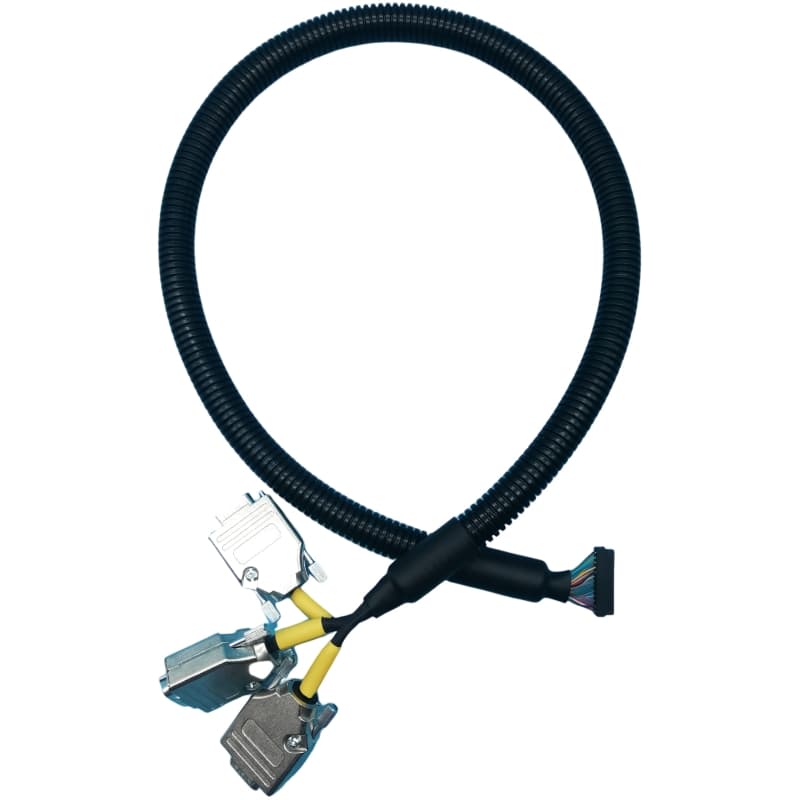
Key Wire Harness Characteristics:
Complex Routing
Multiple branches connecting to various endpoints
Organized Bundling
Wires grouped by function or destination
Lightweight
Minimal covering reduces weight and space
Custom Configuration
Tailored to specific equipment layout
Wire harnesses are extensively used in automotive and industrial machinery where space optimization and weight reduction are critical. The lack of heavy external sheathing allows for more flexible installation in tight spaces.
Explore our wire harness manufacturing services or get a custom wire harness quote.
Key Differences: Cable Assembly vs Wire Harness
Understanding these distinctions will help you select the optimal solution for your application:
| Feature | Cable Assembly | Wire Harness |
|---|---|---|
| External Protection | Heavy-duty sheath (PVC, TPE, metal) | Minimal or none (tape, ties, sleeves) |
| Complexity | Simple, typically single path | Complex, multi-branch networks |
| Weight | Heavier due to protective layers | Lighter, minimal covering |
| Flexibility | Moderate, constrained by sheath | High, easier to route and install |
| Environmental Protection | Excellent (moisture, chemicals, abrasion) | Limited, requires external protection |
| Cost | Higher material cost, lower labor | Lower material, higher labor cost |
| Typical Use | External connections, harsh environments | Internal wiring, protected environments |
| Maintenance | Difficult to access individual wires | Easier to troubleshoot and repair |
Quick Decision Guide
Choose Cable Assembly if: You need external connections, harsh environment protection, or simple point-to-point routing.
Choose Wire Harness if: You need complex internal wiring, weight reduction, or custom routing in protected environments.
“A cable assembly earns its higher cost when the application needs sealed protection, while a wire harness wins when routing density and weight matter. The engineering break point is often 20% to 30% more assembly labor versus a measurable drop in field risk.”
Real-World Applications
Cable Assembly Applications:
- Computer Peripherals: USB cables, HDMI cables, display cables
- Industrial Equipment: Sensor cables, power cables, actuator connections
- Telecommunications: Network cables, fiber optic assemblies
- Medical Devices: Patient monitor cables, ultrasound probe cables
- Outdoor Applications: Solar panel connections, outdoor lighting systems
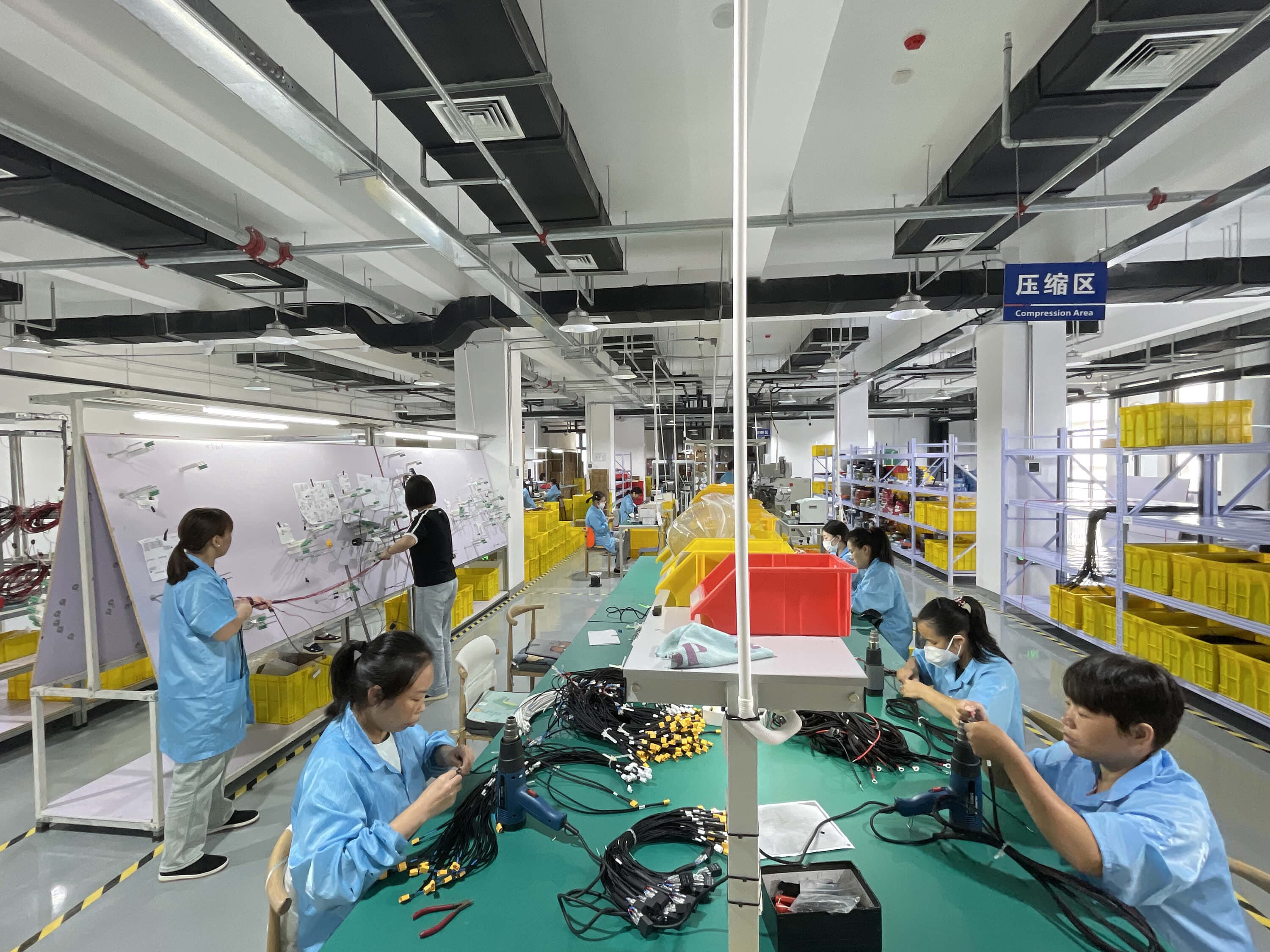
Wire Harness Applications:
- Automotive: Engine compartment wiring, dashboard harnesses, lighting systems
- Industrial Robotics: Robot arm wiring, control panel connections
- White Goods: Washing machines, refrigerators, HVAC systems
- Heavy Equipment: Construction machinery, mining equipment
Learn more about how we serve specific industries: Automotive, Medical, Industrial.
Cost Comparison & Considerations
Understanding the cost structure of cable assemblies versus wire harnesses is crucial for budgeting your project. The total cost depends on multiple factors beyond just materials.
Cable Assembly Costs
- •Higher Material Costs: Premium protective sheaths and connectors
- •Lower Labor Costs: Simpler, faster assembly process
- •Better for High Volume: Economies of scale kick in faster
- •Typical Range: $5-$50 per unit (low to medium complexity)
Wire Harness Costs
- •Lower Material Costs: Minimal protective covering
- •Higher Labor Costs: Complex routing and assembly time
- •Custom Engineering: Requires detailed layout and design
- •Typical Range: $20-$200+ per unit (depending on complexity)
💡 Cost-Saving Tip
For high-volume production (>1,000 units), consider investing in custom tooling and fixtures. This upfront cost can reduce per-unit expenses by 30-50% over the product lifecycle.
Manufacturing Process Comparison
Understanding the manufacturing differences helps you plan lead times, quality control, and production scaling.
Cable Assembly Process
Wire Cutting & Stripping
Automated machines cut wires to precise lengths and strip insulation
Connector Crimping
Terminals or connectors are crimped onto wire ends
Sheath Application
Protective outer jacket is applied via extrusion or heat shrink
Testing & QC
Continuity, insulation resistance, and functional tests
Wire Harness Process
Wire Preparation
Multiple wire types cut, stripped, and organized by function
Board Layout
Wires arranged on formboard matching final product geometry
Terminal & Connector Assembly
Multiple connectors crimped and inserted into housings
Bundling & Securing
Wires bundled with tape, ties, or sleeves in specific patterns
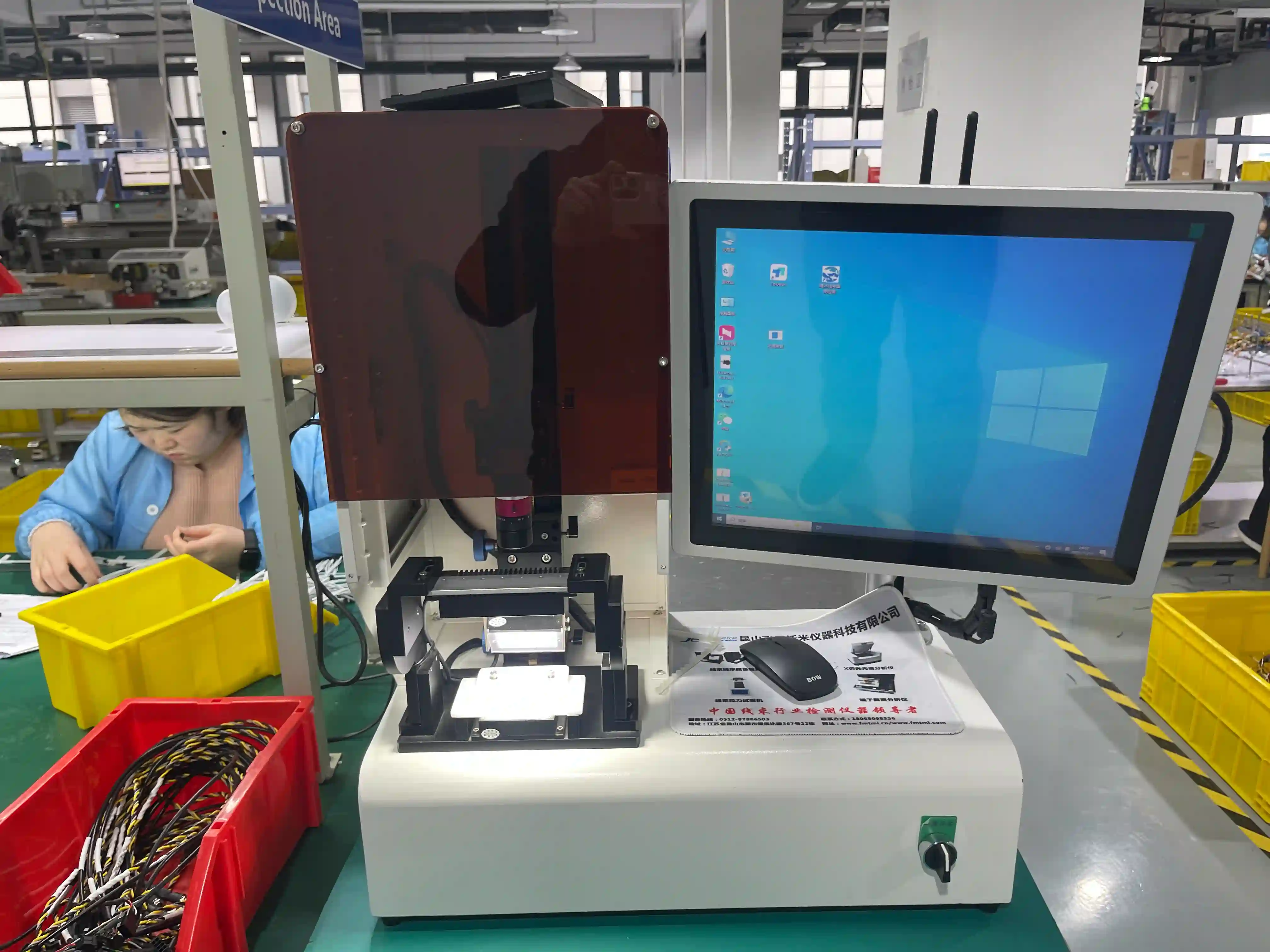
Testing & Validation
Comprehensive electrical and mechanical testing
“Comparison articles are only useful when they translate into build rules. We tie every choice back to IPC/WHMA-A-620 acceptance, service interval, and the actual temperature window on site.”
Choosing the Right Solution
Follow this decision framework to select the optimal solution for your specific requirements:
1. Assess Environmental Conditions
Choose Cable Assembly if: The application involves outdoor installation, exposure to moisture, chemicals, extreme temperatures, or physical abrasion.
Choose Wire Harness if: The application is protected within an enclosure or equipment chassis.
2. Evaluate Complexity Requirements
Choose Cable Assembly if: You need simple point-to-point connections with minimal branching.
Choose Wire Harness if: Your system requires multiple connections, complex routing, or distribution to various endpoints.
3. Consider Weight & Space Constraints
Choose Cable Assembly if: Weight and space are not primary concerns, and you prioritize protection.
Choose Wire Harness if: Minimizing weight and space is critical (e.g., automotive, high-temperature industrial applications).
4. Analyze Cost & Volume
Choose Cable Assembly if: You have high-volume production needs where per-unit cost reduction is important.
Choose Wire Harness if: You need custom, low-to-medium volume solutions and can absorb higher labor costs.
Need Expert Guidance?
Our engineering team can help you evaluate your specific requirements and recommend the optimal solution. We offer free design consultations and rapid prototyping services.
Additional Resources & Industry Partners
Conclusion
Both cable assemblies and wire harnesses play crucial roles in modern electrical systems. The right choice depends on your specific application requirements, environmental conditions, complexity needs, and budget constraints.
At OURPCB, we manufacture both cable assemblies and wire harnesses to the highest quality standards. Our ISO-certified facility in Melbourne provides local engineering support without time zone delays, ensuring your project stays on track.
FAQ
What is the main difference between a cable assembly and a wire harness?
A cable assembly usually protects conductors inside a full outer jacket or overmold, while a wire harness organizes multiple conductors with tape, sleeves, or conduit. In practice, the choice often comes down to environmental protection, bend radius, and whether the build must satisfy IPC/WHMA-A-620 Class 2 or Class 3 workmanship rules.
Which option is better for harsh environments?
Cable assemblies are usually better in wash-down, dust, oil, or outdoor conditions because they can be designed to meet ingress targets such as IP67 or IP69K under IEC 60529. A wire harness can work in the same machine, but it normally needs extra conduit, clamps, or shielding to survive the same exposure.
Are wire harnesses cheaper than cable assemblies?
Wire harnesses often use less jacket material, but labor can be 20% to 30% higher when the build includes many branches, labels, and breakout points. Cable assemblies can cost more in materials yet save time in production when the design is a simple point-to-point route.
How do I choose the right one for a new product?
Start with four numbers: operating temperature, minimum bend radius, expected mating cycles, and required ingress rating. If the project must survive 500 flex cycles, 85 C heat, and an IP67 target, the answer usually becomes clear before procurement starts.
Can both products use the same connectors and wire gauges?
Yes, both can use the same conductor sizes and connector families, but the termination process still has to match the application. For example, a 20 AWG circuit may pass electrically in both designs, yet the final acceptance still depends on crimp height, pull force, and connector sealing performance.
What tests should be required before production release?
At minimum, require 100% continuity testing, a first-article inspection, and documented pull-force or dielectric checks on critical circuits. Higher-reliability programs often add insulation resistance, dimensional verification to plus or minus 0.5 mm, and revision-controlled sample approval before the first production lot.
Table of Contents
Need a Quote?
Get a custom quote for your cable assembly or wire harness project.
Quick Response Time:
Within 24 Hours
Related Services
Related Articles
How to Choose a Wire Harness Manufacturer
8 critical factors for evaluating manufacturers including quality, lead times, and testing.
Wire Harness Testing Guide
Comprehensive testing methods for ensuring wire harness quality and reliability.
Prototype to Production Guide
Navigate the journey from initial prototype to full-scale wire harness production.