
Obsolete Connector Replacement Without Guesswork
Replace end-of-life connectors in cable assemblies with a controlled path: identify the legacy interface, source active alternates, map every pin, build a first article, and test the finished harness before production.
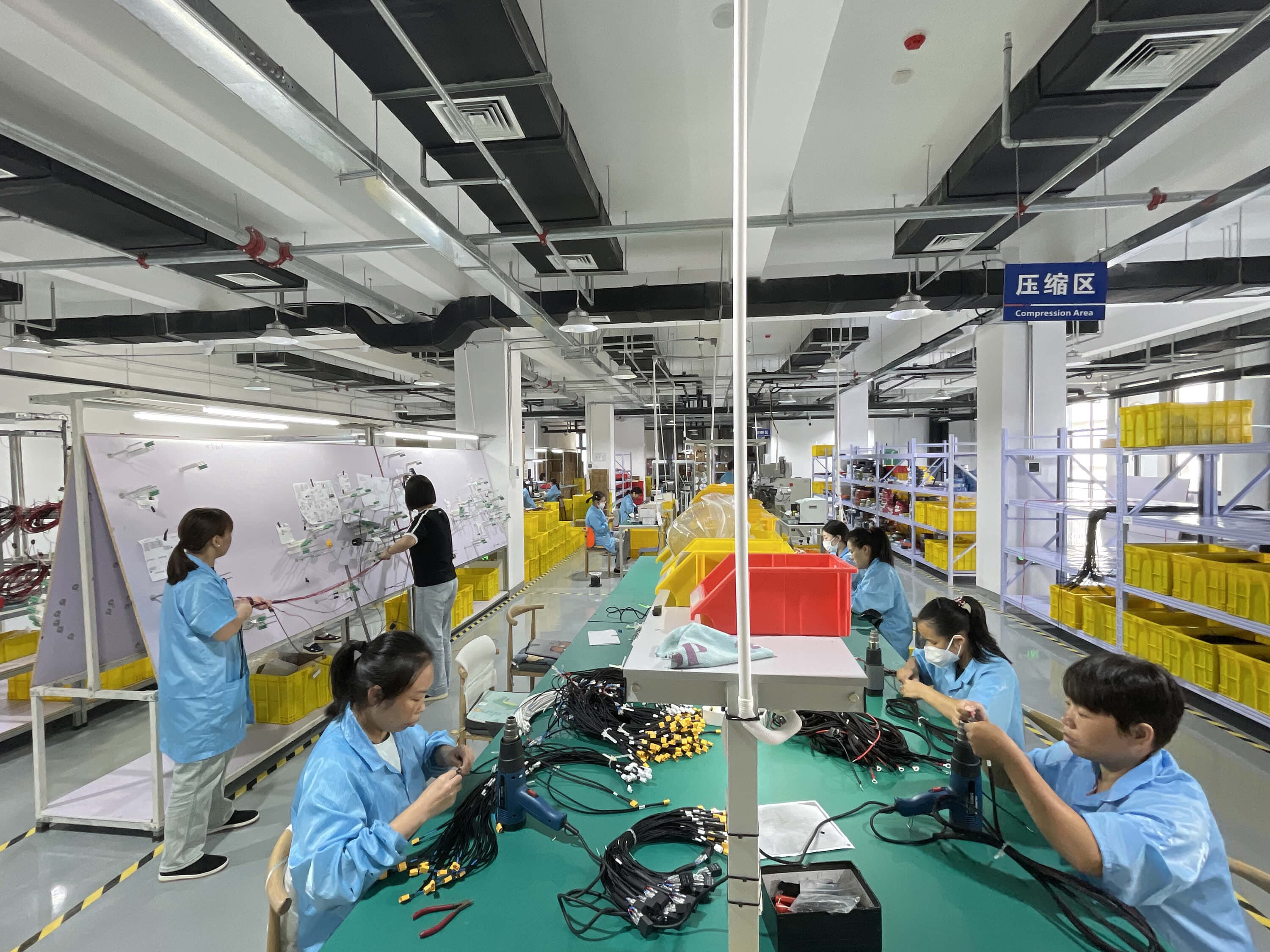
sample can start review
quote inputs requested
connector-only resale
A replacement connector is a controlled engineering change, not a shopping search
Obsolete connector replacement is for cable assemblies and wire harnesses where the original plug, receptacle, terminal, or backshell is discontinued, unavailable, unreliable, or tied to a single supplier. OurPCB's Melbourne support team reviews the mating interface first, then works back to an active connector, validated pinout, and tested assembly.
The practical risk is hidden in small details: contact plating, terminal crimp range, latch retention, cable clamp diameter, shield termination, and seal compression. Standards bodies such as the IPC electronics standards community treat wire harness workmanship as a controlled process, and connector substitutions should follow the same discipline.
We do not sell loose obsolete connectors or redesign equipment electronics. The service is a wire harness and cable assembly path for Australian OEMs, maintenance teams, and procurement buyers that need a reliable spare or replacement build while legacy equipment remains in service.
Best fit for this service
- You have a working or damaged sample but no active part number.
- The original connector is end-of-life or only available through risky surplus stock.
- The mating equipment must stay unchanged for service, warranty, or retrofit reasons.
- You need a tested cable or harness assembly, not a connector-only purchase.
- Your buyer needs repeat supply with documented revision control.
What the replacement service includes
Each step is designed to prevent the common failure mode: a connector that appears to fit but fails under vibration, washdown, current load, or repeated service handling.
Connector Identification From Samples
We compare shell geometry, pitch, latch style, keying, gender, terminal type, and cable exit against manufacturer families before recommending a replacement path.
Form-Fit-Function Equivalency Review
Replacement candidates are checked against mating interface, pin count, current rating, voltage rating, plating, sealing, and available crimp tooling before approval.
Pinout Mapping and Harness Update
Legacy pinouts are mapped to the new connector, then wire colours, circuit IDs, labels, and assembly drawings are updated so service teams can install the replacement without guesswork.
Approved Alternate Sourcing
Where the original part is end-of-life, our team searches for active alternates from connector families used in cable assembly production rather than relying on grey-market stock.
Prototype Validation Before Release
Replacement assemblies can be built in quantities from 1 unit, then checked for mating, routing, continuity, insulation resistance, and pull-force risk before production release.
Controlled Change Documentation
Each approved replacement receives revision notes, BOM updates, inspection criteria, and test records so future orders do not drift away from the validated build.
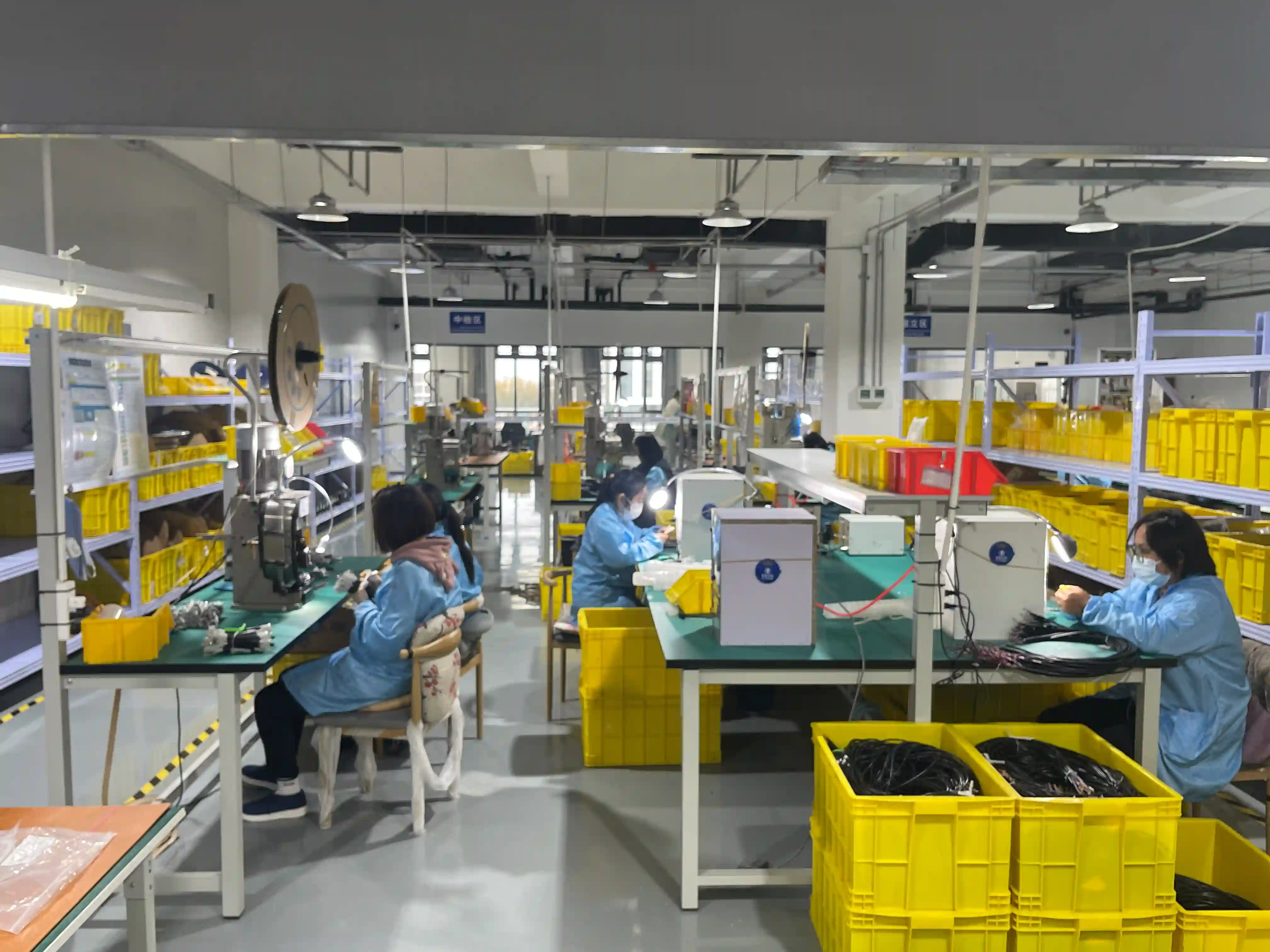
Replacement options are ranked by risk
| Option | Use when | Main risk |
|---|---|---|
| Drop-in equivalent | Mating interface and ratings match | Supply may still be limited |
| Active alternate with pinout change | Mating side can adapt or cable end changes only | Installation error without labels |
| Harness-side redesign | Legacy connector caused failures | More validation time |
| Surplus old stock | Emergency only and buyer accepts risk | Unknown plating, age, or counterfeit status |
Electrical connectors are mechanical and electrical interfaces at the same time, as described in this overview of electrical connectors. A correct replacement must satisfy both sides. A part that mates but changes contact resistance, sealing, or strain relief can create a delayed field failure.
Technical scope and limits
| Service Scope | Connector replacement for cable assemblies, wire harnesses, machine cables, control cables, and service spares |
| Starting Inputs | Old sample, drawing, photos, BOM, connector markings, mating equipment details, or damaged harness |
| Connector Families | Circular, rectangular, D-sub, M-series, Molex/JST/TE/Deutsch-style, terminal blocks, RF, and mixed-end assemblies |
| Prototype MOQ | 1 unit for fit and function validation before production release |
| Typical Review Time | 24 to 72 hours after receiving usable photos, sample data, or drawings |
| Standard Tests | Continuity, pinout, insulation resistance, visual inspection, crimp inspection, and application-specific checks |
| Documentation Output | Replacement BOM, pinout table, assembly notes, labelled photos, and revision-controlled production file |
| Out of Scope | Standalone connector resale, equipment electronics redesign, component-level board work, or unsafe substitutions without mating and electrical validation |
Safety marks and quality systems still apply after a connector change. For regulated products, buyers should confirm whether the changed assembly needs customer requalification, third-party testing, or documentation aligned with organizations such as UL or ISO 9001 quality controls.
Replacement workflow
Capture the Legacy Interface
Send a sample, connector markings, photos with scale, drawings, or the mating equipment details. We document keying, cavity count, latch geometry, wire gauge, cable OD, shielding, and environmental exposure.
Screen Replacement Candidates
Our engineering team checks active connector families against mating fit, terminal compatibility, plating, current rating, voltage rating, sealing, crimp tooling, and realistic supply availability.
Map Pinout and Build Risk
The replacement pinout is mapped circuit by circuit. Any change to terminal size, contact plating, shield termination, backshell, or seal stack is flagged because those changes can alter field reliability.
Prototype the Replacement Assembly
A first article is built for mechanical fit, routing, connector mating, continuity, insulation resistance, and any customer-defined functional test before the change enters repeat production.
Release Controlled Production
Approved assemblies move into repeatable production with updated BOMs, work instructions, labels, test limits, and revision notes for future spare-part orders.
Common replacement applications
The service is most useful where equipment outlives the original connector supply chain and a repeatable spare cable prevents downtime.
Industrial Machine Spares
Replacement machine cables for PLC panels, sensors, actuators, VFDs, drives, and control cabinets where the original connector family is discontinued.
Mining and Mobile Equipment
Harness replacements for service fleets where vibration, washdown, dust, and connector supply gaps make grey-market parts too risky.
Medical and Laboratory Equipment
Low-volume cable assemblies for legacy instruments where pinout accuracy, lot traceability, and controlled change records matter more than the cheapest connector.
Transport and Rail Systems
Spare harnesses and retrofit cables for long-life platforms that need repeatable replacement parts over many years of maintenance.
Telecom and Data Equipment
Custom power, RF, Ethernet, and control cables where obsolete mating hardware must stay in service until the equipment platform is redesigned.
Prototype-to-Production Transfers
Connector substitutions for start-ups and OEMs moving away from hard-to-source prototype parts before production quantities are ordered.
Engineering note from our team
"The expensive connector mistake is approving a replacement because the shell clicks into place. We also check terminal crimp range, plating match, seal stack, cable clamp diameter, and pinout marking. Those small checks decide whether the replacement lasts 3 years or fails during the first service call."
How a typical obsolete connector replacement without guesswork program runs with us
This is an illustrative description of a representative project type, not a specific customer engagement. As a contract assembler we do not publish customer-identifiable data.
Obsolete connector replacement FAQ
How do I replace an obsolete connector in an existing cable assembly?+
Start with the mating interface, not the connector photo alone. We need the old connector, the mating equipment, a drawing, or clear photos with dimensions so we can check pitch, keying, latch style, shell size, contact type, wire gauge, and cable OD. After that, we screen active replacement families, map the pinout, build 1 or more first articles, and run continuity plus insulation resistance testing before release.
I only have one damaged harness sample. Can you reverse engineer it?+
Yes, one damaged harness is often enough for a replacement review if the connector shell, cavity layout, and enough wire routing remain visible. We document the pinout, wire colours, branch lengths, labels, terminals, shielding, and strain relief before proposing an active connector substitute. If corrosion or impact damage hides the original circuit path, we will mark that item as unverified and request equipment-side continuity checks before production.
Can you supply the obsolete connector by itself?+
No, our service focuses on replacement cable assemblies and wire harnesses, not standalone connector resale. That boundary matters because old-stock connectors may have unknown storage history, plating condition, seal ageing, or counterfeit risk. We source active connector alternates, build the cable or harness around the validated replacement, and test the complete assembly so the buyer receives a usable spare rather than an unverified component.
What information helps you quote an obsolete connector replacement quickly?+
The fastest quote includes 6 items: photos of both connector sides, pin count, approximate dimensions, cable length, wire gauge or cable marking, and the equipment or mating connector details. A sample, drawing, BOM, or old part number improves accuracy. With usable information, engineering review normally takes 24 to 72 hours, followed by a quote for prototype quantity, production quantity, tooling if needed, and validation steps.
Should I choose a drop-in equivalent or redesign the connector interface?+
Choose a drop-in equivalent when the mating equipment cannot change and the original electrical rating, sealing, and mechanical retention can be matched. Redesign the interface when the old connector caused field failures, lacks supply security, or cannot meet current voltage, ingress, or vibration requirements. For most legacy harnesses, we compare both paths so procurement sees the trade-off between lower change cost and longer-term service reliability.
My maintenance team needs 50 replacement harnesses in 4 weeks. Is that realistic?+
A 4-week target can be realistic when the replacement connector family is active, tooling is available, and the pinout is clear. The critical path is not assembly labour; it is connector confirmation, sample validation, and inbound component supply. For 50 units, we normally recommend one first article before the batch, then 100% continuity and pinout testing on every production harness before shipment.
How do you reduce risk when changing connector plating or sealing?+
Connector plating and sealing changes need explicit review because they can change contact resistance, corrosion behaviour, insertion force, and ingress protection. We compare manufacturer ratings, avoid mixed plating where possible, check terminal-to-wire compatibility, and add validation such as pull testing, insulation resistance, or IP-style checks when the application involves washdown or outdoor exposure. Unvalidated seal substitutions are rejected for safety-critical harnesses.
Related capabilities
Custom Design & Engineering
Use engineering review when the replacement needs drawing cleanup or a new connector interface.
Cable Assembly
Build the validated replacement as a production-ready cable assembly.
Testing & Quality Control
Add continuity, hi-pot, insulation resistance, pull, or application-specific verification.
M12 Cable Assembly
Replace legacy sensor and industrial connector cables with active M-series options.
Related industries
Send the obsolete connector photos before buying surplus stock
Upload connector photos, the old harness sample, or a BOM and receive a replacement path covering active alternates, validation risk, prototype cost, and production lead time.