

Australia's industrial landscape is unforgiving. From the scorching red dust of Pilbara iron ore mines to the salt-laden air of Sydney Harbour port infrastructure, cable assemblies face some of the most demanding conditions on the planet. According to CSIRO climate data, Australia experiences temperature extremes, UV radiation levels, and humidity patterns that accelerate cable degradation far beyond what manufacturers in temperate climates anticipate.
After 18 years of manufacturing cable assemblies for Australian mining, marine, defence, and industrial clients, we have identified five failure modes that account for the vast majority of premature cable assembly failures. Each is preventable—if you understand the root cause and specify the right protection from the start. This guide presents real scenarios, root cause analyses, and actionable prevention strategies that will save your operation time, money, and safety incidents.
Limited Time Offer: $100 USD Off Your First Order!
Get harsh-environment cable assemblies engineered for Australian conditions with our introductory discount.
- IP67/IP68/IP69K rated assemblies
- UV-stabilised, high-temperature materials
- Full environmental testing to AS/NZS standards
Valid for orders over $500
UV Degradation & Thermal Cycling
The Problem
Prolonged UV exposure and extreme daily temperature swings cause cable insulation to crack, embrittle, and lose its dielectric properties. In Australia's Pilbara region, surface temperatures routinely exceed 50°C while overnight lows can drop below 10°C—a 40°C+ daily swing that cyclically stresses every material in the assembly.
Real Scenario: Pilbara Iron Ore Processing Plant
A major iron ore operation in Newman, Western Australia, experienced repeated sensor cable failures on conveyor monitoring systems. Standard PVC-jacketed cable assemblies were lasting just 8–14 months before insulation cracking caused intermittent signal losses and false alarms. Each failure triggered a mandatory safety shutdown of the conveyor line, costing approximately $85,000 per hour in lost throughput.
Root cause analysis revealed that daytime UV exposure was breaking down the PVC plasticisers, while nightly thermal contraction was propagating micro-cracks through the embrittled material. Within 6 months, insulation resistance had dropped below safe operating thresholds.
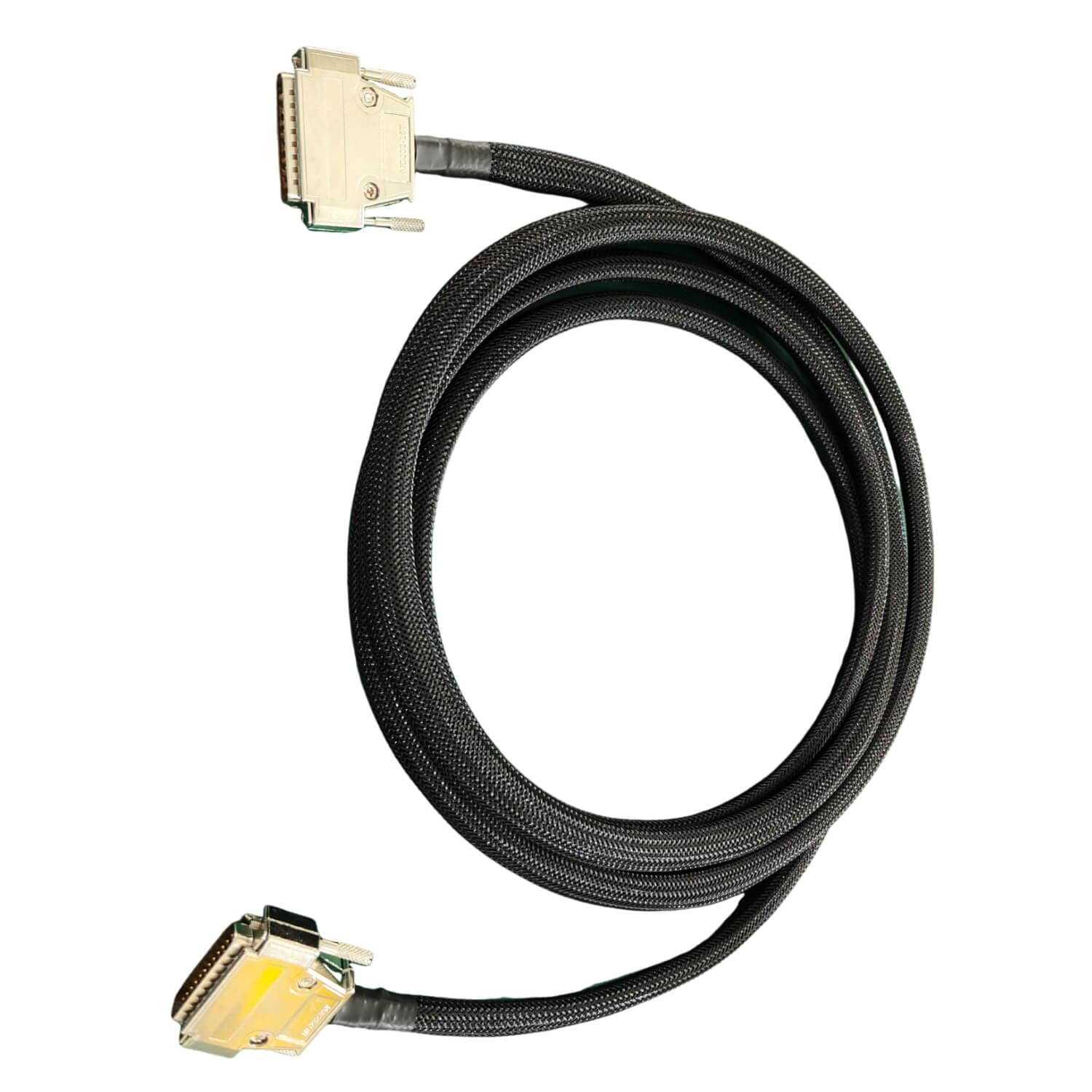
Industrial-grade cable assemblies designed for extreme thermal cycling environments
Root Cause Analysis
- UV photo-oxidation: Breaks polymer chains in PVC and standard polyethylene, releasing HCl gas and causing surface chalking within 6 months of outdoor exposure
- Thermal cycling fatigue: Repeated expansion and contraction (coefficient mismatch between copper conductor and insulation) creates micro-cracks at stress concentration points
- Plasticiser migration: Heat accelerates loss of plasticisers from PVC, reducing flexibility and impact resistance by up to 60% within 12 months
Prevention Strategy
Specify XLPE or silicone-jacketed cables rated to +125°C minimum with UV-stabilised compounds. For extreme Pilbara conditions, cross-linked polyolefin with carbon black UV stabiliser provides 10+ year outdoor lifespan per AS/NZS 1125 mining cable standards.
- Use XLPE insulation rated -40°C to +125°C for surface mining
- Specify UV stabiliser additives in cable jacket compound
- Add UV-resistant corrugated conduit for additional protection
- Schedule 6-monthly visual inspections per Safe Work Australia guidelines
Cost Impact
Prevention cost: 15–25% premium for XLPE over PVC cables. Failure cost: $85,000/hour downtime + $12,000–$25,000 emergency repair per incident. Typical ROI on proper material selection: 8–12x within first year.
Salt Spray Corrosion
The Problem
Salt-laden air in coastal and marine environments attacks exposed metal components in cable assemblies, causing connector corrosion, increased contact resistance, and galvanic effects between dissimilar metals that can destroy connections in as little as 3–6 months.
Real Scenario: Port Botany Container Terminal, Sydney
A container handling crane at Port Botany experienced intermittent control signal failures during winter months when humidity and salt deposition peaked. Maintenance teams initially replaced control boards at $18,000 each before discovering that corrosion in the cable assembly connectors was the actual root cause.
Inspection revealed green verdigris deposits on brass connector pins, white aluminium oxide on junction box terminals, and galvanic corrosion where aluminium cable glands contacted steel mounting plates. The corrosion had increased contact resistance from milliohms to several ohms, creating intermittent signal dropouts that mimicked controller failures.
Root Cause Analysis
- Galvanic corrosion: Aluminium cable glands directly contacting steel panels created a galvanic cell in the presence of salt-moisture electrolyte
- Inadequate IP rating: IP65-rated connectors allowed salt-laden moisture ingress through breathing cycles (temperature-driven pressure differentials)
- No corrosion protection: Bare copper and brass contacts without plating or dielectric compound had no barrier against salt electrolyte
Prevention Strategy
Specify IP68-rated marine-grade connectors with stainless steel or nickel-plated bodies. All cable assemblies for coastal environments must pass 500+ hours salt spray testing per AS 2331.3.1.
- Use tinned copper conductors (not bare copper) for salt resistance
- Specify gold or nickel-plated connector contacts
- Apply dielectric grease to all mating surfaces
- Isolate dissimilar metals with nylon washers or gaskets
Cost Impact
Prevention cost: $15–$40 extra per connector for marine-grade upgrade. Failure cost: $18,000+ per misdiagnosed controller replacement, plus $50,000–$200,000 in crane downtime. Typical payback: under 2 months.
Vibration-Induced Fatigue
The Problem
Continuous vibration in mining haul trucks, rail transport, and heavy machinery causes wire strands to break progressively at stress concentration points—particularly at connector entries, cable tie points, and sharp bends. The failure is insidious: conductors break strand by strand, increasing resistance gradually until complete circuit failure occurs.
Real Scenario: Bowen Basin Coal Haul Fleet, Queensland
A fleet of 40 CAT 793 haul trucks operating in Queensland's Bowen Basin experienced a spate of engine management failures between 18–24 months of service. The failure pattern was consistent: trucks would throw intermittent fault codes during loaded hauls on rough pit roads, then operate normally on smooth surfaces.
Disassembly revealed that 60–80% of copper strands had fractured at the point where the engine harness entered a bulkhead connector without adequate strain relief. The remaining strands could carry current at idle but not under full load, producing the intermittent symptoms. Replacement harnesses without improved strain relief failed in the same pattern within 20 months.
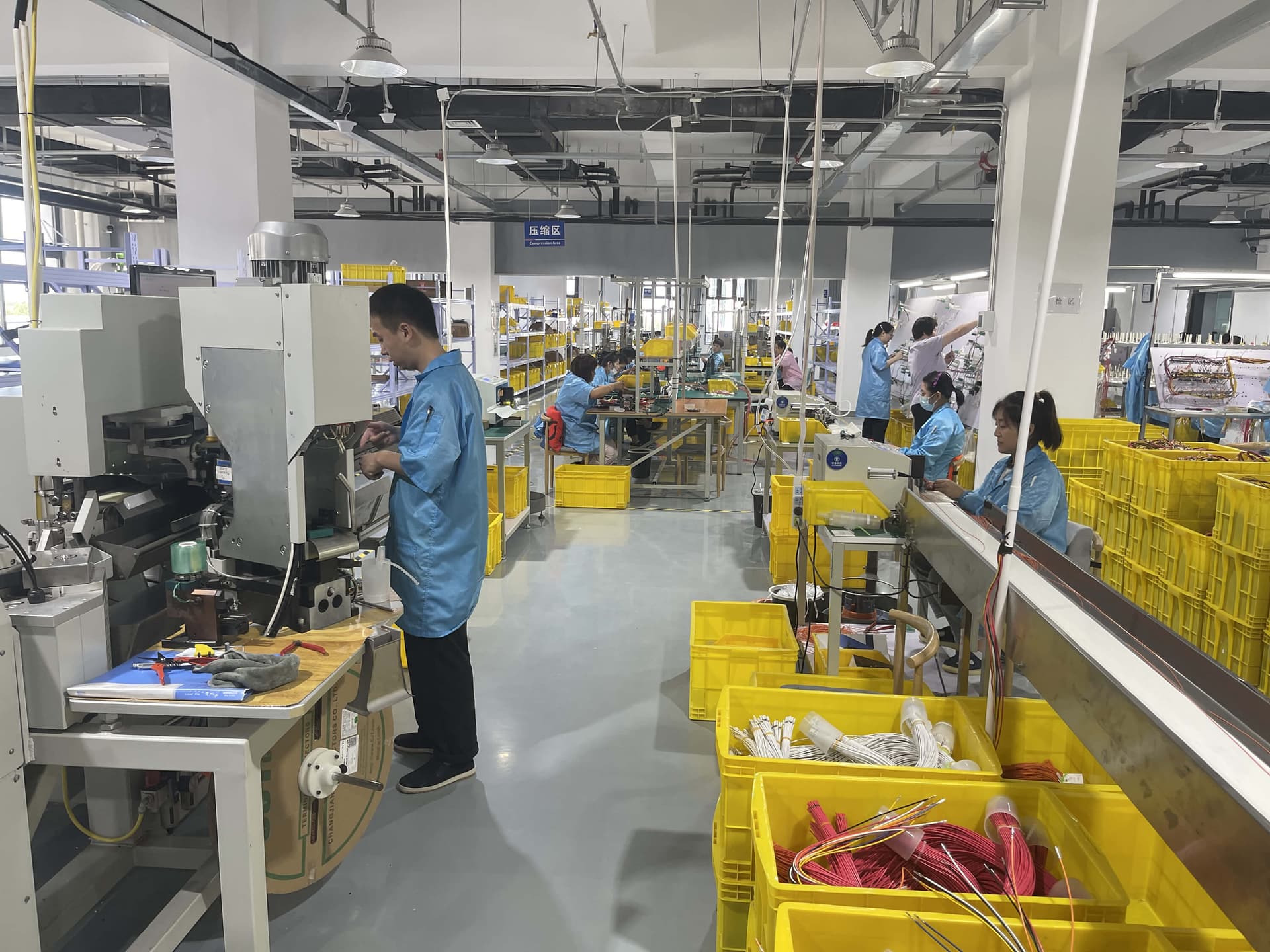
Precision wire preparation is critical for vibration-resistant cable assemblies
Root Cause Analysis
- No strain relief: Rigid bulkhead entry created a sharp stress concentration point where all vibration energy focused on a 5mm section of conductor
- Solid conductor wire: Solid-core wire was used where flexible stranded wire was required—solid conductors have zero flex life under vibration
- Inadequate support spacing: Cable support clips were spaced at 500mm intervals instead of the recommended 150–200mm for high-vibration applications
Prevention Strategy
Use fine-stranded, flex-rated conductors (Class 5 or 6 per AS/NZS 1125) with proper strain relief boots at every connection point. For guidance on bend radius requirements, consult our environmental protection guide.
- Specify Class 5 (flexible) or Class 6 (extra-flexible) conductors
- Install moulded strain relief boots at all connector entries
- Support harnesses every 150–200mm in high-vibration zones
- Add service loops to allow controlled flex movement
Cost Impact
Prevention cost: $200–$500 per harness for flex-rated upgrades and strain relief. Failure cost: $150,000+/hour haul truck downtime, plus $5,000–$15,000 per harness replacement in the field. Fleet-wide savings: $2M+ annually for a 40-truck operation.
Chemical & Fluid Exposure
The Problem
Industrial cleaning chemicals, processing fluids, and hydraulic oils attack cable insulation materials, causing swelling, softening, cracking, or complete dissolution. Food processing and pharmaceutical environments are particularly aggressive due to daily washdown with caustic cleaning agents at elevated temperatures.
Real Scenario: Meat Processing Plant, Gippsland, Victoria
A large meat processing facility in Gippsland was experiencing repeated cable assembly failures in its automated packing line. Assemblies were failing every 4–6 months, with insulation becoming swollen and sticky before eventual cracking. The failures were occurring specifically in areas subjected to daily CIP (clean-in-place) washdown procedures.
Investigation revealed that the washdown chemicals—a combination of sodium hydroxide (caustic soda) at 2% concentration and peracetic acid sanitiser—were chemically incompatible with the PVC cable jackets. The 65°C washdown temperature accelerated the chemical attack. Furthermore, high-pressure spray was forcing cleaning solution past connector seals rated only to IP65.
Root Cause Analysis
- Chemical incompatibility: PVC insulation has poor resistance to caustic soda and oxidising sanitisers, leading to plasticiser extraction and polymer degradation
- Elevated temperature washdown: 65°C cleaning solution accelerated chemical attack rate by approximately 4x compared to ambient temperature exposure
- Seal degradation: Standard NBR (nitrile) connector seals degraded rapidly in peracetic acid, allowing chemical ingress into the connector body
Prevention Strategy
Specify silicone or TPU (thermoplastic polyurethane) cable jackets for food processing environments. Connectors must meet IP69K washdown rating with EPDM seals that resist both caustic and acidic cleaning agents. All materials should comply with AS 4020 and FDA food contact standards.
- Use silicone or TPU cable jackets rated for chemical exposure
- Specify IP69K connectors with EPDM or FKM (Viton) seals
- Request chemical compatibility data from your cable manufacturer
- Install stainless steel cable glands (316L grade minimum)
Cost Impact
Prevention cost: 30–50% premium for chemical-resistant materials. Failure cost: $15,000–$40,000 per line shutdown (lost production + emergency repair + food safety audit). Additional risk: product contamination recall averaging $10M+.
Moisture Ingress & Condensation
The Problem
Moisture ingress through connector interfaces, cable entry points, and even through cable insulation itself causes short circuits, tracking failures, and accelerated corrosion. In underground and tropical environments, condensation forms inside sealed enclosures during thermal cycling, creating a persistent moisture source that no external seal can prevent.
Real Scenario: Underground Coal Mine, Hunter Valley, NSW
An underground longwall mining operation in the Hunter Valley experienced repeated failures of communication cable assemblies in junction boxes along the main conveyor drift. Despite using IP67-rated enclosures and connectors, water was accumulating inside the junction boxes, causing short circuits on safety-critical communication links.
The mine environment maintained 95%+ relative humidity at a constant 28°C. However, when equipment was shut down overnight, junction box temperatures dropped to 22°C—below the dew point of the trapped air. This caused condensation to form on internal surfaces every cycle. Over weeks, accumulating condensate reached connector terminals and caused tracking failures. The IP67 seals were preventing water from draining out, effectively trapping the condensate inside.
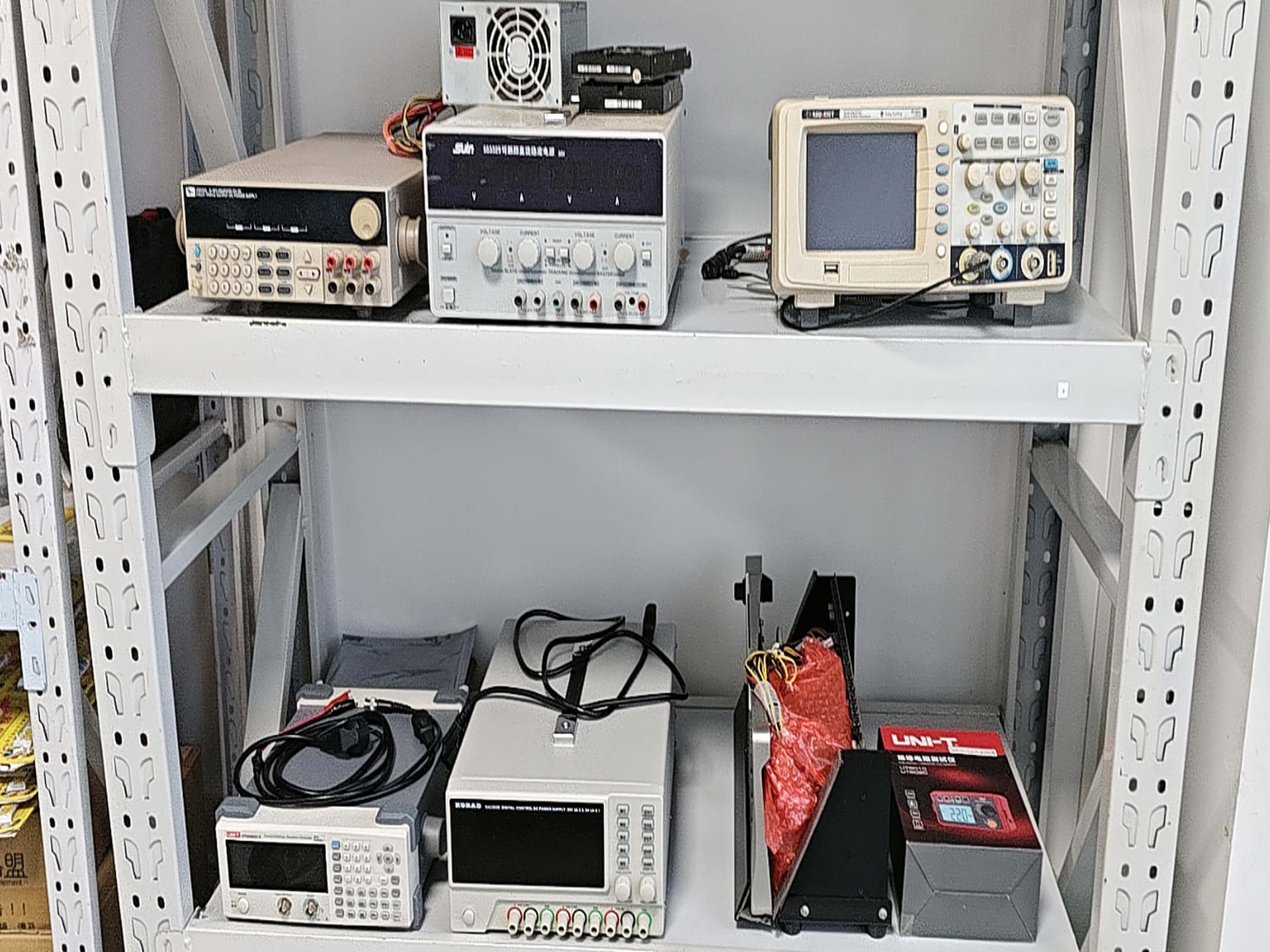
Comprehensive environmental testing validates cable assembly performance in harsh conditions
Root Cause Analysis
- Internal condensation: Sealed enclosures trapped humid air; thermal cycling repeatedly condensed moisture that could not escape
- Cable wicking: Moisture travelled along conductor bundles through capillary action, bypassing external seals entirely
- No drainage provision: IP67 enclosures sealed in both directions, preventing condensate from draining away from electrical connections
Prevention Strategy
Address both external ingress and internal condensation. For detailed IP rating selection, see our comprehensive IP67 vs IP68 vs IP69K comparison guide. Underground applications require additional condensation management as described by Safe Work Australia electrical safety guidelines.
- Install Gore-Tex breather valves on sealed enclosures to equalise pressure
- Use gel-filled or potted cable entries to block capillary wicking
- Specify IP68-rated connectors with sealed cable-to-connector transitions
- Add silica gel desiccant packs with moisture indicator cards in enclosures
Cost Impact
Prevention cost: $50–$150 per junction box for breather valves and desiccant. Failure cost: $200,000+ per safety communication failure in underground mining (mandatory evacuation + investigation). Prevention ROI: 100x+.
Failure Comparison: All 5 Types at a Glance
| Failure Type | Primary Cause | Environment | Prevention Cost | Failure Cost |
|---|---|---|---|---|
| UV & Thermal | Insulation degradation | Outdoor mining, solar | 15–25% material premium | $85K+/hour downtime |
| Salt Corrosion | Connector oxidation | Coastal, marine, ports | $15–$40/connector | $50K–$200K/incident |
| Vibration Fatigue | Conductor strand breakage | Haul trucks, rail, heavy plant | $200–$500/harness | $150K+/hour downtime |
| Chemical Exposure | Insulation dissolution | Food processing, pharma | 30–50% material premium | $15K–$40K/shutdown |
| Moisture Ingress | Internal condensation | Underground, tropical, humid | $50–$150/enclosure | $200K+/safety incident |
All cost figures are indicative based on Australian industrial operations as of 2025–2026. Actual costs vary by site, equipment, and contract terms.
Harsh Environment Prevention Checklist
Use this checklist during the design and specification phase of any cable assembly destined for harsh Australian environments. Addressing these items upfront is far less expensive than retrofitting solutions after failures occur. For detailed troubleshooting procedures when failures do occur, see our wire harness troubleshooting guide.
Define the Environment Completely
Document temperature range (min/max/cycling frequency), UV exposure hours, humidity levels, chemical exposure (list all cleaning agents and fluids), vibration profile (amplitude/frequency), and salt spray exposure. Reference CSIRO climate data for site-specific Australian conditions.
Select Materials for Worst-Case Conditions
Choose insulation, jacket, connector body, seal, and conductor plating materials rated for the worst-case combination of environmental stresses. Request chemical compatibility certificates from your supplier.
Specify Appropriate IP Ratings
Match IP ratings to actual exposure conditions. Remember: IP ratings are tested in clean-water laboratory conditions—real-world chemical and high-temperature exposure requires higher margins.
Design for Vibration and Flex
Use flex-rated conductors, proper strain relief, adequate support spacing, and service loops at all connection points. Specify minimum bend radius of 6x cable diameter for dynamic applications.
Address Condensation Separately
External sealing does not prevent internal condensation. Specify breather valves, desiccant provisions, or conformal coating for any sealed enclosure subject to thermal cycling in humid environments.
Specify Environmental Testing Requirements
Require salt spray testing (AS 2331.3.1), thermal cycling, UV exposure, and chemical immersion testing as part of your cable assembly specification. Do not accept assemblies without documented test results.
Establish Inspection and Maintenance Intervals
Define visual inspection schedules per Safe Work Australia guidelines. Include insulation resistance testing, connector inspection, and seal replacement in your preventive maintenance program.
“In 18 years of building cable assemblies for Australian industry, we've learned one thing above all: the harsh environment doesn't care about your budget. Specify the right materials and protection upfront, or pay ten times more when the assembly fails at 2am on a mine site 400km from the nearest town. Every dollar spent on proper environmental protection returns five to ten dollars in avoided downtime.”
Frequently Asked Questions
What is the most common cable assembly failure in Australian mining?
UV degradation combined with thermal cycling is the most common cable assembly failure in Australian mining. Temperatures in the Pilbara regularly exceed 50°C, causing standard PVC insulation to crack and embrittle within 12–18 months. XLPE or silicone-insulated cables with UV stabilisers are recommended for surface mining applications.
How do you prevent salt spray corrosion on cable assemblies?
Prevent salt spray corrosion by using IP68-rated stainless steel or marine-grade connectors, selecting tinned copper conductors instead of bare copper, applying dielectric grease to all connection points, and ensuring all dissimilar metals are isolated to prevent galvanic corrosion. Assemblies should pass 500+ hours of salt spray testing per AS 2331.3.1.
What IP rating is needed for cable assemblies in harsh environments?
For harsh Australian environments, IP67 is the minimum for outdoor industrial applications. IP68 is recommended for marine, underground mining, and submerged applications. IP69K is required for mining equipment subjected to high-pressure washdown. See our IP rating comparison guide for detailed selection criteria.
How much does cable assembly failure cost in Australian mining operations?
Unplanned downtime in Australian mining operations typically costs $50,000 to $150,000 per hour for large haul trucks and processing equipment. A single cable assembly failure can result in 4–12 hours of downtime, translating to $200,000 to $1.8 million in lost productivity per incident, not including repair costs and safety investigations.
What cable materials are best for chemical resistance in food processing?
For food processing environments with chemical exposure from cleaning agents like sodium hydroxide and peracetic acid, specify silicone or TPU (thermoplastic polyurethane) jacketed cables rated to FDA and AS 4020 standards. Stainless steel connectors with EPDM seals provide the best chemical resistance for frequent washdown cycles.