
Mechanical Cable Assembly Manufacturing for Australia
Custom mechanical cable assemblies for push-pull control, release mechanisms, access hardware, off-highway equipment, marine systems, and hybrid electromechanical products. Built for reliable motion, repeatable fit, and serviceable installation.
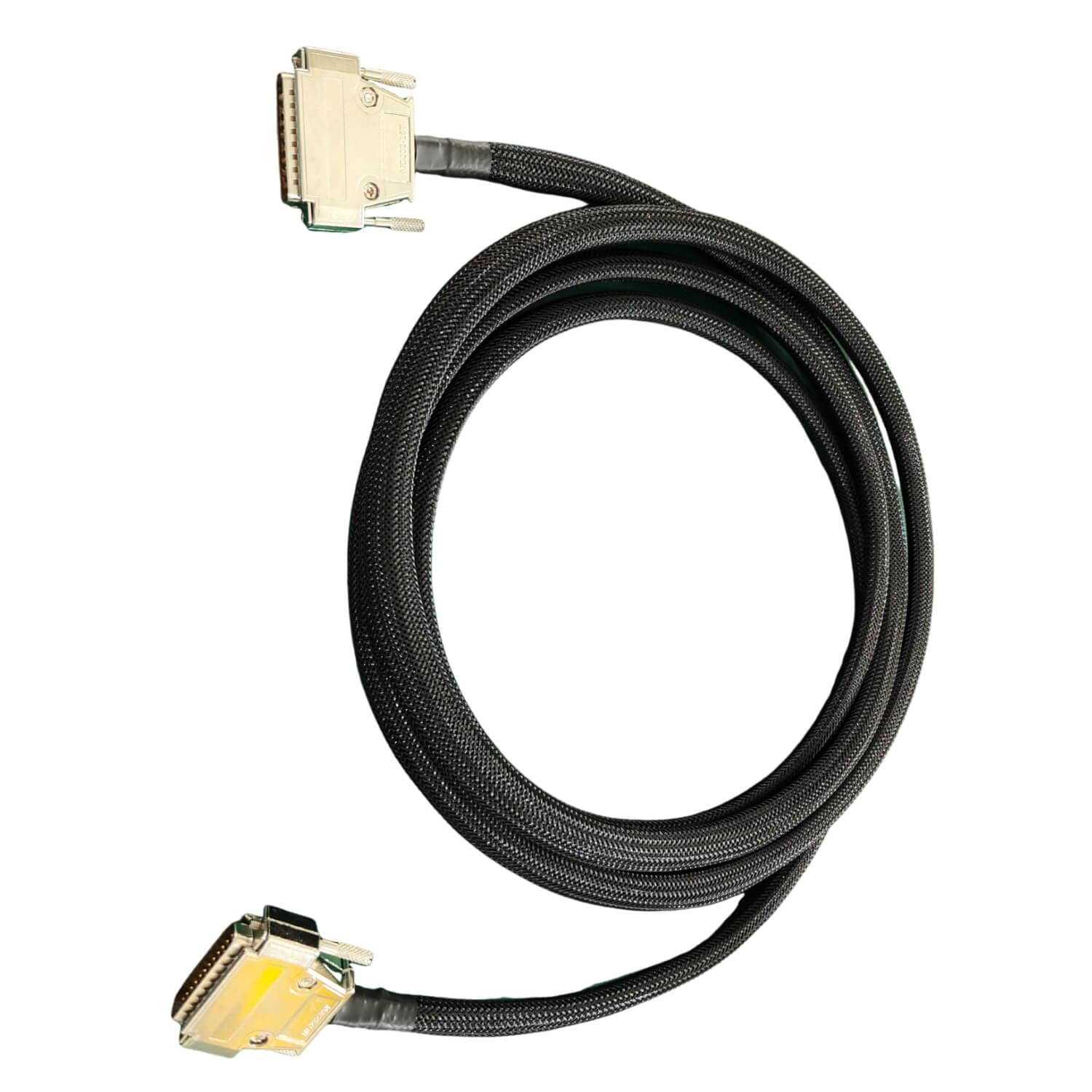
What is a Mechanical Cable Assembly?
A mechanical cable assembly transfers motion from one point in a machine, vehicle, or enclosure to another using a flexible inner cable running inside a guided conduit. It is commonly used where direct rigid linkage is impossible because of distance, bends, limited access, vibration, or packaging constraints.
In practice, these assemblies control latches, throttles, access panels, brakes, locks, dampers, service releases, and other remotely actuated mechanisms. Some products also combine the motion cable with adjacent wiring, switches, or sensor feedback, creating a hybrid electromechanical assembly that reduces installation complexity.
For Australian OEMs, a custom assembly improves installation speed, repeatability, and serviceability compared with ad-hoc cable hardware sourced from multiple suppliers. The result is a motion-control solution matched to the actual route, stroke, and operating conditions of the equipment.

Why Buyers Specify Custom Mechanical Cable Assemblies
Performance depends on fit, routing, stroke, and environmental durability. A custom build removes the guesswork that causes heavy actuation feel, premature wear, and installation rework.
Remote Motion Without Complex Linkages
Mechanical cable assemblies route motion around bends, enclosures, hinges, and packaging constraints where rigid rods or direct-line actuation would be impractical.
Built Around Your Stroke and Load
We match inner cable, conduit, fittings, and anchor points to the required travel, actuation force, and installation envelope instead of forcing a generic hardware set into the design.
Harsh-Environment Protection
Boots, corrosion-resistant materials, abrasion sleeves, and sealed transitions help assemblies survive outdoor duty, washdown, dust, vibration, and salt-laden environments.
Hybrid Electromechanical Integration
Where a release cable also needs feedback wiring, microswitches, or adjacent harnessing, we can package the mechanical and electrical content into one documented build.
Fast Replacement of Legacy Parts
Sample-based reverse engineering supports imported machinery, discontinued service parts, and field replacements where OEM documentation is incomplete or unavailable.
Controlled Repeatability
Measured stroke, fitting orientation, cable free length, and retention checks keep mechanical feel and installed function consistent from prototype through production.
Technical Capability Snapshot
Information That Improves Quote Accuracy
If documentation is limited, send a sample part, photos of the installed route, and the mating hardware. We can use that information to define a manufacturable replacement or upgraded design.
Common Mechanical Cable Assembly Applications
We support both new equipment programs and replacement-part supply where the installed function matters more than a generic catalogue fit.
Off-Highway and Mobile Equipment
Throttle, park-lock, emergency stop, latch release, and service-access cables for utility vehicles, agriculture, and specialist machinery.
Industrial Equipment and Guards
Remote release and actuation cables for doors, safety covers, machine panels, dampers, and manually operated mechanisms inside tight equipment envelopes.
Marine and Transport Controls
Mechanical control runs for vessel helm systems, access hatches, lockers, and transport hardware exposed to corrosion, vibration, and weather.
HVAC and Building Hardware
Remote damper, vent, latch, and access control assemblies where installers need a reliable motion path through constrained routing spaces.
Service Spare and Retrofit Programs
Replacement cables for older equipment, imported systems, or aftermarket upgrade kits where fast interchangeability matters more than redesigning the whole mechanism.
Hybrid Product Assemblies
Combined mechanical and electrical assemblies for equipment that needs actuation plus sensor feedback, interlocks, or routed low-voltage controls.
Quality Controls for Motion-Critical Assemblies
Mechanical cable issues usually show up as sticky operation, lost travel, misalignment, or inconsistent release behaviour. That makes dimensional control, fitting orientation, and functional inspection just as important as the raw materials themselves.
Our Build Process
Projects move faster when routing, stroke, and installed hardware are validated early instead of being discovered after production release.
Application Review
We review function, travel, load, routing, environment, mounting points, and any service-life expectations before the build concept is locked.
Cable Path and Hardware Selection
Our team confirms inner cable material, conduit construction, liners, fittings, brackets, boots, and adjacent electrical content if the build is hybrid.
Prototype and Fit Validation
First articles are built for fit, stroke, feel, and installation checks so interface issues are corrected before production release.
Controlled Production
Assemblies are cut, swaged, terminated, fitted, labelled, and visually inspected to documented work instructions and revision-controlled drawings.
Functional Inspection and Release
Finished assemblies are verified for dimensions, stroke, retention, and any required electrical checks before shipment.
Mechanical Cable Design Checklist
Most performance problems are designed in early. These are the details worth fixing before the assembly enters release or service-spare stocking.
Related Applications and Resources
Mechanical Cable Assembly FAQ
Questions engineering, procurement, and aftermarket teams ask before approving a custom motion-control cable build.
Need a Reliable Source for Mechanical Cable Assemblies?
Send your sample, drawing, route photos, or required stroke. We will review the fitting geometry, conduit construction, protection needs, and prototype lead time before quoting.