
Wire Harness Lead Time Guide
Understand what drives wire harness production timelines and learn proven strategies to reduce lead times. Plan your projects effectively with realistic expectations for prototypes and production orders.
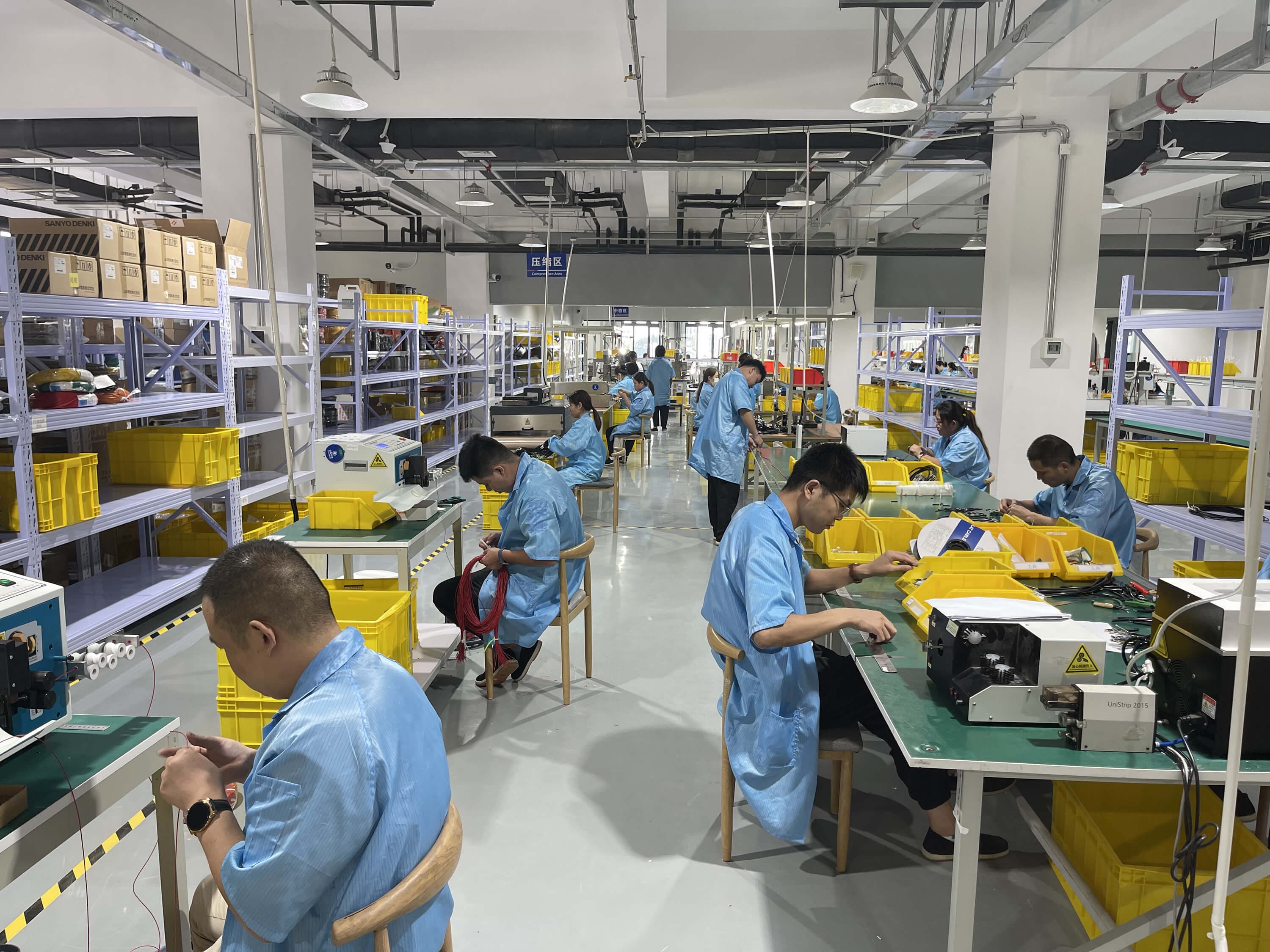
Understanding Wire Harness Lead Time
Lead time is the total time from order placement to delivery. For wire harnesses, this includes material procurement, production, testing, and shipping. Understanding the lead time formula helps you plan projects accurately and set realistic expectations.
Lead Time Formula
Total Lead Time = Material Order Time + Production Time + Shipping Time
Time to procure raw materials and components from suppliers (often the longest)
Actual manufacturing including assembly, testing, and quality inspection
Transportation from manufacturer to your facility or end destination
Standard production orders
Prototype orders
Complex or long-lead parts
Component availability is often the primary driver of extended lead times. While production itself may take only 3-5 days, waiting for specialty connectors or long-lead components can add weeks to your timeline.
Key Lead Time Factors
Multiple factors influence how long your wire harness order takes. Understanding these helps you identify bottlenecks and plan effectively.
Component Availability
High ImpactLong-lead connectors and specialty components are the most common bottleneck. Some automotive and aerospace connectors have 12-20 week lead times.
Design Complexity
High ImpactComplex harnesses with many circuits, special shielding, or unusual routing require more engineering time, special tooling, and careful assembly.
Order Quantity
Medium ImpactLarger orders require more production time. However, per-unit production time often decreases with volume due to efficiency gains.
Quality Requirements
Medium ImpactHigher IPC classes, 100% testing, and additional documentation add time. Aerospace and medical often require extra validation steps.
Shipping & Logistics
Low-Medium ImpactDomestic shipping adds 1-5 days. International shipping can add 2-6 weeks, plus customs clearance time.
Supplier Capacity
Variable ImpactPeak seasons, other customer demands, and workforce availability affect when your order enters production.
Typical Lead Time Breakdown
Here's what to expect for different order types, assuming standard components are available.
| Order Type | Quantity | Typical Lead Time | Notes |
|---|---|---|---|
| Quote/RFQ Response | N/A | 2-5 business days | Depends on documentation completeness |
| Prototype (Simple) | 5-25 units | 1-2 weeks | Standard components in stock |
| Prototype (Complex) | 5-25 units | 3-4 weeks | May require component sourcing |
| First Article | 1-5 units | 3-5 weeks | Includes full inspection & approval |
| Production (Standard) | 100-500 units | 2-4 weeks | After first article approval |
| Production (Large) | 500-5000 units | 4-8 weeks | May require phased delivery |
| Long-Lead Components | Any | 8-20 weeks | Specialty connectors, MIL-SPEC parts |
Buffer Recommendation: Always add a 1-2 week buffer to supplier quoted lead times. Track actual delivery vs. promised delivery to build accurate planning data.
Strategies to Reduce Lead Time
Implement these proven strategies to shorten your wire harness lead times without compromising quality.
Early Component Sourcing
- Identify long-lead items during design phase
- Pre-order critical components before final approval
- Maintain buffer stock of common parts
- Qualify alternate sources for key components
Design for Availability
- Choose components with shorter lead times
- Design with multiple qualified alternatives
- Avoid custom or specialty parts when possible
- Use common connector families across products
Blanket Orders & Forecasting
- Place blanket orders for stable demand
- Share production forecasts with suppliers
- Schedule releases in advance
- Negotiate priority positioning
Supplier Partnership
- Build strong supplier relationships
- Consolidate vendors where practical
- Communicate demand changes early
- Pay on time to maintain priority status
Parallel Processing
- Start component sourcing during engineering
- Prepare tooling before first article
- Train operators during prototype phase
- Pre-stage materials for production
Simplify & Optimize
- Reduce total number of unique parts
- Standardize wire colors and gauges
- Design for automated assembly
- Minimize complex routing requirements
Case Study: 60% Lead Time Reduction
New manufacturing approaches using digital integration and automation can cut manufacturing steps by 60% and reduce takt time from 120 seconds to 15 seconds—an 87% improvement. Additionally, combining production and final assembly in one location can eliminate 30-day third-party supplier lead times.
Source: Industry automation research, 2024
Lead Time Planning Checklist
Use this checklist when planning your wire harness project to ensure realistic timelines and avoid costly delays.
Design Phase
RFQ Phase
Order Phase
Production Phase
For detailed guidance on documentation and RFQ preparation, see our RFQ best practices guide and prototyping guide.
"The biggest lead time improvements come from early planning. When customers involve us in the design phase and share their forecasts, we can pre-position materials and reserve production capacity. This proactive approach often cuts 2-4 weeks from the overall timeline compared to reactive ordering."
Frequently Asked Questions
How long does it take to manufacture a wire harness?
Standard wire harness manufacturing takes 2-4 weeks for production orders with readily available components. Prototypes typically require 2-3 weeks. Complex assemblies or orders with long-lead components can extend to 6-12 weeks.
What factors affect wire harness lead time?
Key factors include: component availability and lead times, design complexity, order quantity, quality requirements, testing needs, tooling requirements, and supplier capacity. Long-lead connectors are often the biggest bottleneck.
How can I reduce wire harness lead time?
Strategies include: early component sourcing, designing around available parts, blanket orders for stable demand, maintaining safety stock of critical components, parallel processing of engineering and procurement, and building strong supplier relationships.
What is the lead time formula for wire harness manufacturing?
Total Lead Time = Material Order Time + Production Time + Shipping Time. Material order time is often the longest component, especially for specialty connectors. Production time depends on complexity and quantity. Shipping adds 1-5 days domestically or 2-6 weeks internationally.
Can I expedite a wire harness order?
Yes, many manufacturers offer expedited options including air freight for components, overtime production, and priority scheduling. Expedite fees typically add 15-30% to the order cost. Availability depends on component lead times and production capacity.
Sources & Further Reading
Need to Know Current Lead Times?
Contact our team for current production schedules and component availability. We'll provide accurate timelines and help you plan your project effectively.