
Control Cable Assembly Manufacturing for Australia
Custom control cable assemblies for industrial automation, robotics, mining, rail, and process equipment. Shielded, labelled, and production-ready builds for PLCs, drives, sensors, actuators, and machine control systems.
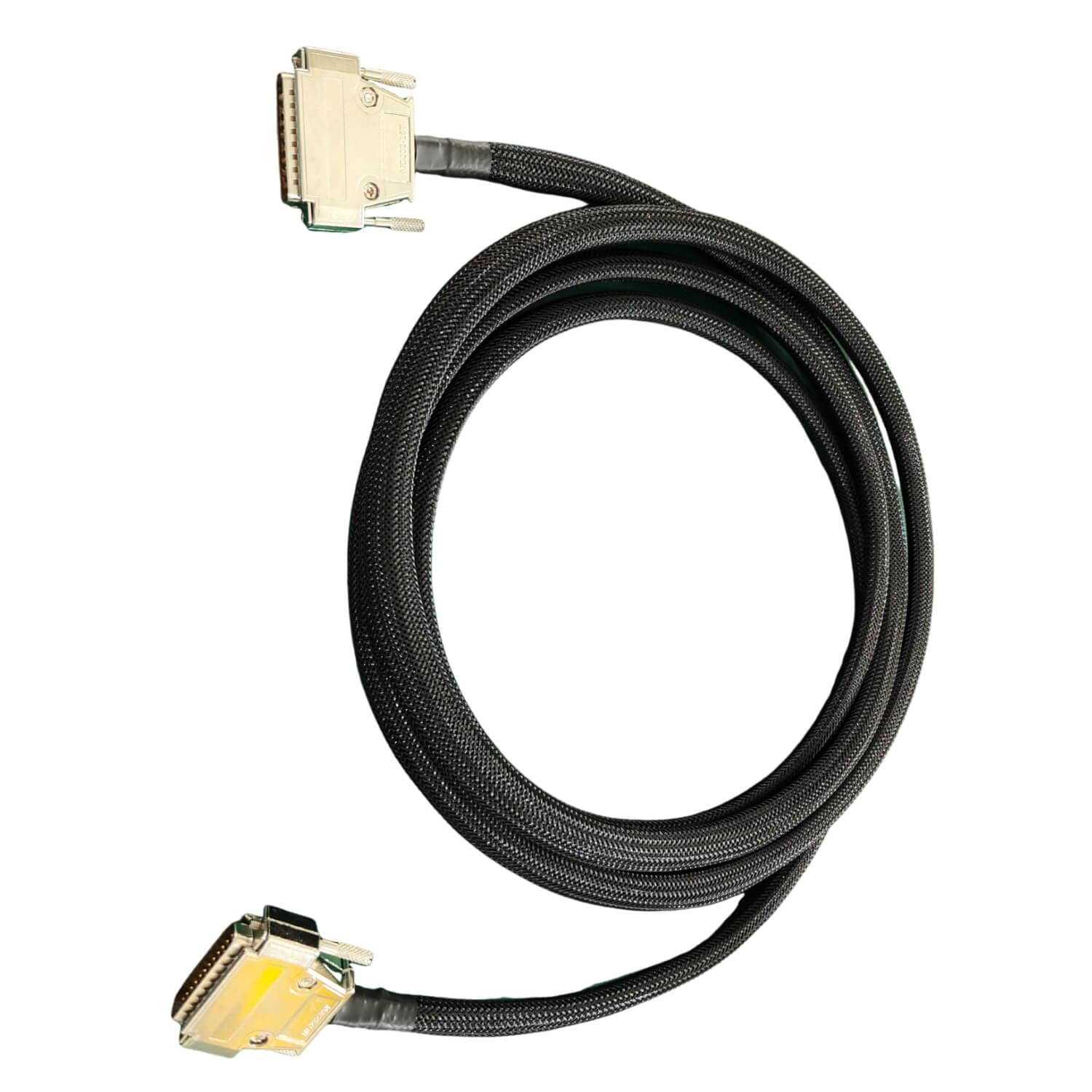
What is a Control Cable Assembly?
A control cable assembly is a purpose-built interconnect used to transmit commands, status signals, sensor feedback, and low-voltage power between machine components. Instead of wiring these circuits manually in the field, the assembly is manufactured, labelled, and tested in advance so installation is faster and more reliable.
These assemblies are common anywhere automation exists: PLC panels, servo drives, conveyors, packaging equipment, robotics, rail subsystems, mining plant, and process skids. Depending on the application, a control cable may include twisted pairs, encoder pairs, power cores, drain wires, overall shielding, branch breakouts, ferrules, or sealed circular connectors.
For Australian OEMs and systems integrators, custom control cable assemblies reduce commissioning time, simplify maintenance, lower wiring errors, and provide a repeatable, documented connection standard across every machine built.

Why Buyers Specify Custom Control Cable Assemblies
Control systems fail when signal wiring is noisy, inconsistent, or difficult to service. Custom assemblies remove those variables.
EMI-Resistant Signal Integrity
Shielding, drain wires, twisted pairs, and controlled termination methods reduce noise problems in VFD, servo, encoder, and PLC circuits.
Built Around Your Pinout
We manufacture to your exact wiring map, conductor colours, labels, breakouts, branch lengths, and mating connector requirements.
Ready for Real Machinery
Cable choices are matched to oil, coolant, abrasion, washdown, vibration, and motion demands found in Australian industrial plants.
Fast Installation on Site
Pre-terminated and labelled assemblies reduce panel wiring time, field errors, and commissioning delays compared with loose cable and manual termination.
Prototype to Repeat Production
We support one-off machine builds, pilot equipment, service spares, and repeat production with revision control and traceable documentation.
100% Electrical Verification
Continuity and pinout verification are standard, with additional insulation, hi-pot, shield, and mechanical checks added to suit the application risk.
Technical Capability Snapshot
Design Inputs We Need to Quote Accurately
If you do not have full documentation yet, send a sample cable, machine photos, or a rough schematic. We can help convert field information into a manufacturable assembly package.
Common Control Cable Assembly Applications
We build assemblies for both new equipment platforms and replacement parts where downtime costs more than the cable itself.
PLC and Control Cabinet Wiring
Assemblies connecting PLC I/O, HMIs, remote I/O racks, safety relays, and terminal blocks inside machine control panels and process skids.
Servo, Encoder and Motion Systems
Low-noise feedback and motor control cables for CNC equipment, packaging machinery, robotic axes, and automated handling systems.
Sensor and Actuator Networks
Reliable field wiring for proximity sensors, valves, limit switches, pressure transducers, and distributed machine I/O.
Mining and Harsh-Environment Equipment
Abrasion-resistant and sealed control cables for conveyors, crushers, mobile plant, washdown zones, and high-vibration installations.
Rail and Transport Systems
Control cable assemblies for signalling, platform equipment, onboard systems, and maintenance tooling where repeatability and documentation matter.
Legacy Machine Replacement
Reverse-engineered spare cables for imported or obsolete machinery where the OEM no longer supports service parts.
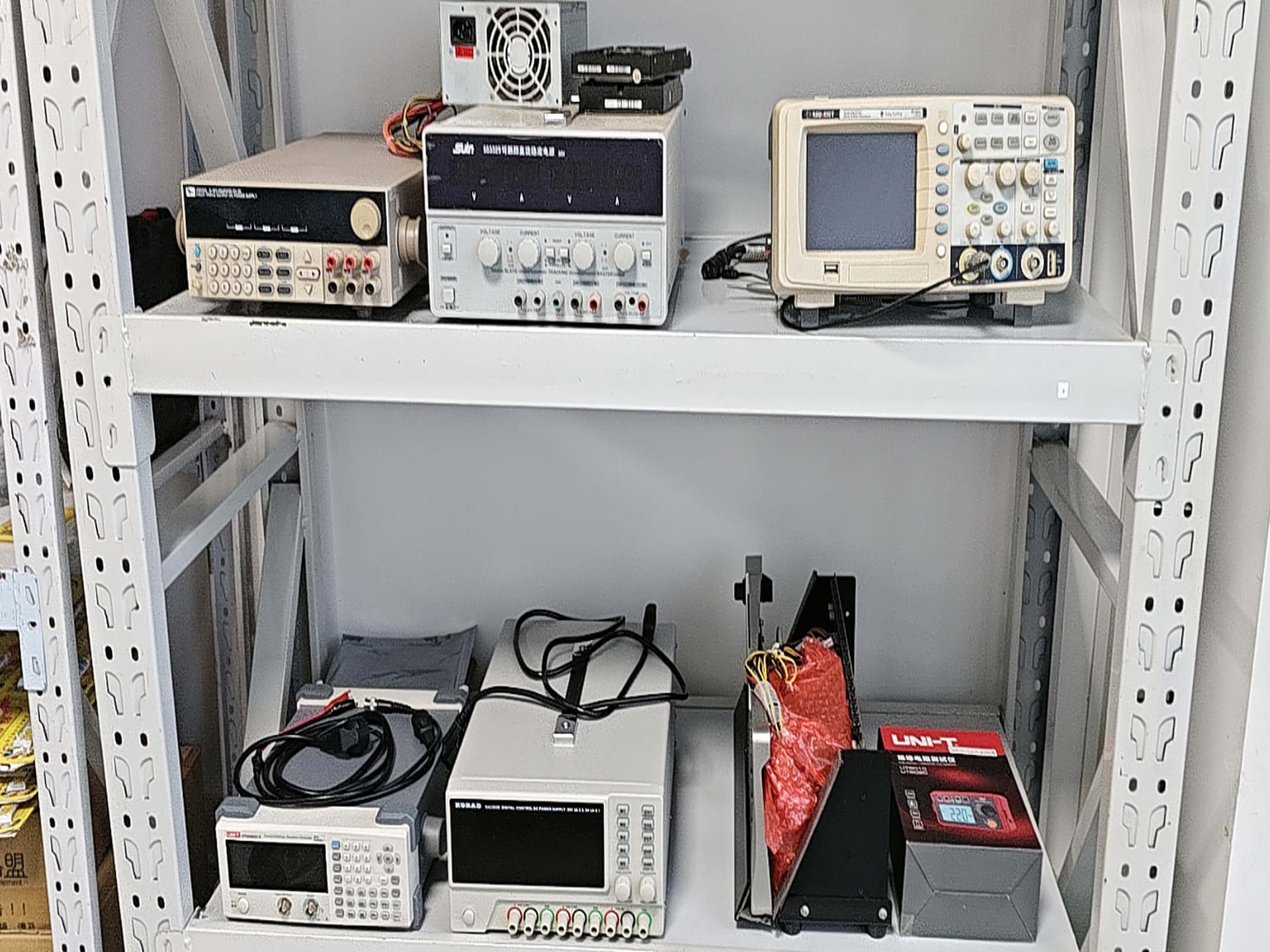
Quality Controls for Signal-Critical Assemblies
Control cable failures are rarely dramatic at first. More often they appear as intermittent alarms, false sensor readings, unstable drives, or random machine stoppages. That is why process control matters as much as raw materials.
Our Build Process
A control cable assembly project moves faster when requirements, documentation, and validation are handled up front.
Requirement Review
We review your drawing, sample, BOM, pinout, environment, motion profile, and certification needs before locking the build approach.
Cable and Connector Selection
Our team confirms conductor size, shielding, jacket material, bend radius, connector family, and strain relief based on the operating conditions.
Prototype Build and Approval
We produce first articles or prototypes for fit, function, and installation checks so issues are corrected before volume release.
Controlled Production
Assemblies are cut, stripped, crimped, terminated, labelled, and inspected to documented work instructions and revision-controlled drawings.
Testing and Final Inspection
Each assembly is electrically verified and visually inspected, with additional testing added for critical signal or insulation requirements.
Control Cable Design Checklist
Most field failures come from missed design assumptions rather than manufacturing defects. These are the details worth locking down before release.
Related Applications and Resources
Control Cable Assembly FAQ
Questions buyers and engineering teams ask before approving an automation cable build.
Need a Reliable Source for Custom Control Cable Assemblies?
Send your pinout, sample, drawing, or machine photos. We will review cable construction, connector options, shielding strategy, and lead time before quoting.